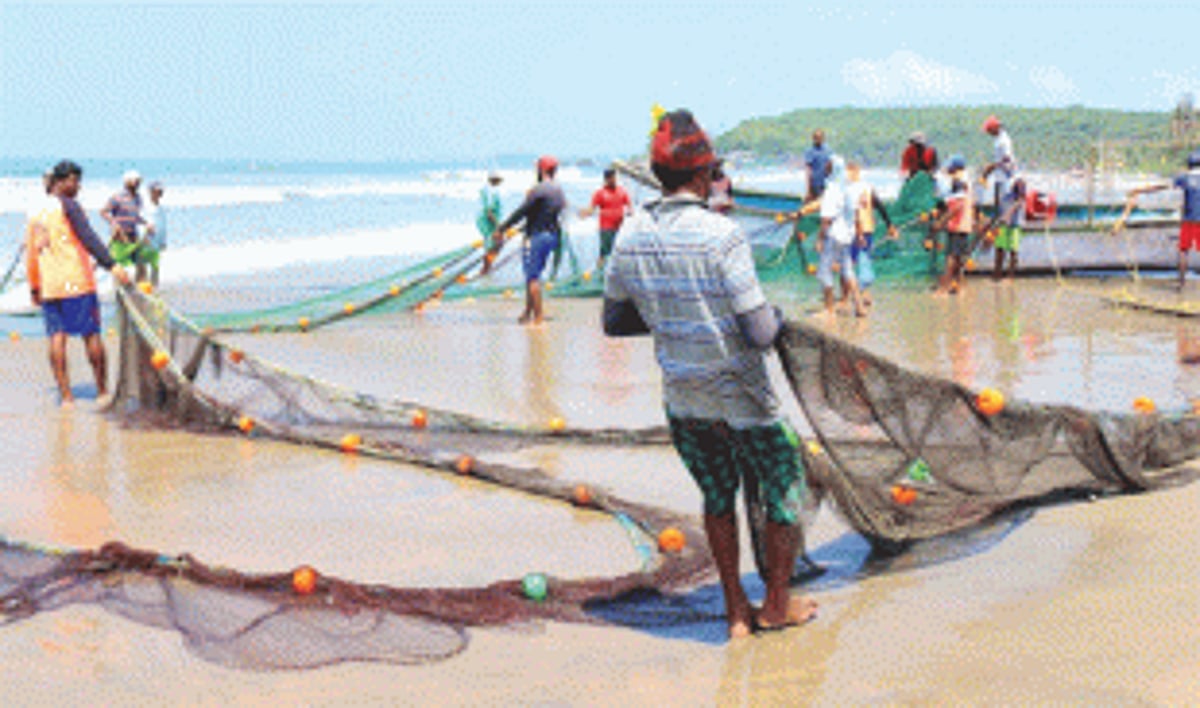
If you are still working on your plans for this Sunday, Arambol beach is the place to be.
The quiet village will be buzzing with activities as over 1500 villagers will
be at the beach for the ‘Ramponnkarachem Fest ani Voddekaranchem Fest’, this
Sunday, September 30, 2018 at the Arambol beach. After a successful edition of
the festival last year, Arambolkars are even more excited to showcase their
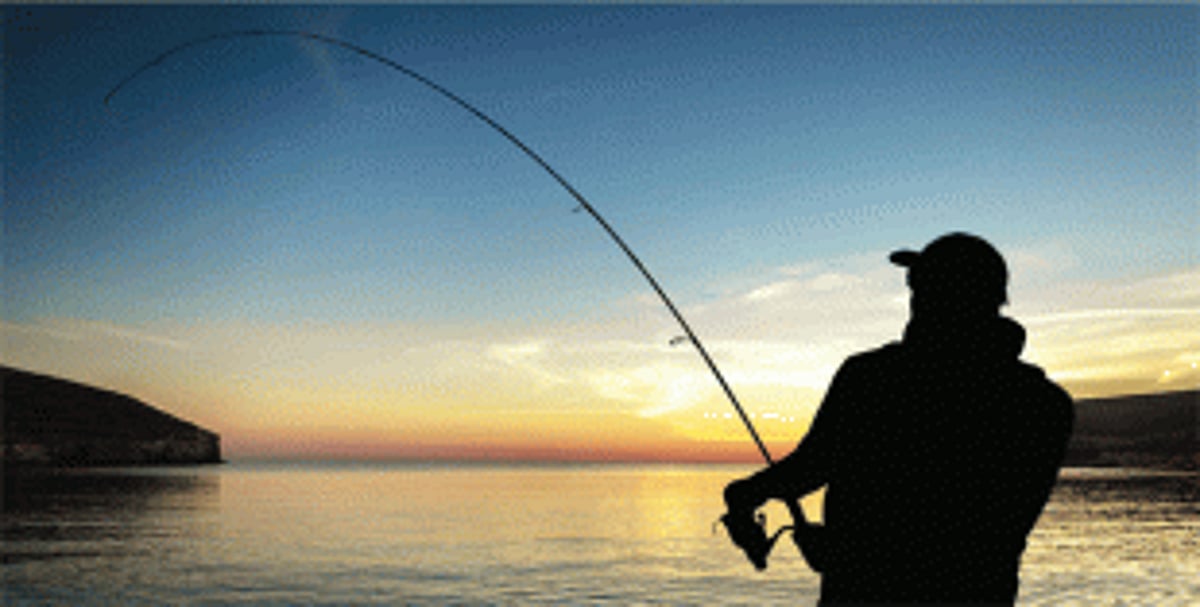
traditional lifestyle. If you are on schedule, you can even help the fishermen
pull the catch from the sea and then cook the fish and relish it with your
lunch.
This year, the festival will be celebrating Goenche Jevonn,
Ghumotacho Naaz and Konkani Bhas. The festival will kick start at
Our Lady of Mount Church, Arambol at 9.30 am with the Arambolachim pasoi.
The local brass bands with village ghumot groups and will join in the
procession which will wind up at the beach, the venue of the fest. All those
who want to participate will have to join in the pasoi at the church.
There is ample parking space in the church vicinity. Musicians can join in with
their violins, guitars and ghumots as the 45 minutes procession will
include Goan music personalities like Carlos Gonsalves, O’Luv and Felly Gomes.
Fr Pio Almeida, the Parish Priest of Our Lady of Mount Church,
Arambol is supportive of the festival and Marius Fernandes has guided the
villagers on organising the festival. After reaching the Arambol beach, the
youngsters of the village will organise a Prayer dance followed by a theme boat
leaving with the rampon (fishing net) for an hour. It will be go around
the backdrop of the stage casting the net. On the stage, there will be
interviews of fishermen of the village, Luis Fernandes, Manuel D’Souza and
Daniel Rodrigues by Peter Rodrigues as they will be talking about their lives,
struggles and the fishing prospects in the future. There is a theme song
especially composed for the festival by Mina Fernandes and Collete Fernandes.
Young stars of Arambol will be performing the dance song ‘Ami Nustekara’, which
will showcase the many trades involved in the fishing communities. Ghumotacho
Naaz will begin at 12pm. Fugdi dance will be performed by the self
help group of the village.
The food served for the festival will be heritage food that goes
back to the pre-1975 era, which includes Kanji or pez, pickle,
dry fish, fried fish, prawn curry and ‘Sambaranchem koddi’. With over
1000 people involved in the festival, the cooking responsibilities were divided
among the seven wards of the village. The food is been catered for 2000 people
and will be served on ‘patravalis’ and pez in kottios. The
slogan of the festival is ‘Goa says no to plastic straws’.
Besides the stage activities, there will be more happening on
the side-line with artists drawing and sketching the happenings of the
festival, basket weaving, coconut leaves weaving and an exhibition of nets by
net-makers who will help identify which net is used for what catch. Once the
catch is pulled ashore, 20 baskets will be placed for sorting of the fish and
the fish will be identified.
“Three colleges, Don Bosco College, Panjim, St Xavier’s College,
Mapusa and Dhempe College, Miramar will be documenting the festival. The
students have been researching and preparing for the festival in advance. St
Xavier’s College is working on the documentation of the hunters of the fish;
Dhempe College is documenting the entire festival while students of Don Bosco
are already at Arambol as they document the lives of the Ramponkar. All
the boats going for fishing that day will be donating the fish for the festival
and there will be live cooking of the fish in the hay,” explains Marius.
Living
with the members of the thriving fishing community for a few days, Marius has
seen how the villagers are going out of the way to prepare for this festival.
“This community has been involved in fishing for the last six generations with
no outsiders. Fishing at sea is very risky and life threatening. While the men
are at sea, the mother and wives and children are worried. When they see the
boat is coming back, they rush to the shore with pez, tea and sandwiches and
snacks for the men. After taking a break as the fish is sorted and sold in the
market, the men return to the beach to clean their nets and prepare for the
next fishing expedition. Some boats go back nearly 3-4 times to the sea
depending on the weather. One veteran fisherman who has been in the trade for
60 years told me that on September 14 this year, they caught the highest catch
ever! The season has been great this year,” concludes Marius.