The
2019 RBC Top 25 Canadian Immigrant Awards is the only national awards program in Canada
that celebrates the achievements of Canadian immigrants. From thousands of
nominations, 75 finalists were shortlisted by a diverse judging panel of past
winners before 25 winners were chosen based on a combination of nationwide
online voting and a second round of judging. Two Goans, Selwyn Collaco and
Krittika D’Silva were presented with the awards.
Born and raised in Margao, Selwyn Collaco is extremely proud of
his Goan heritage. He worked in Mumbai as a software developer for three years
before applying to move to Canada. “In the early 90’s, there were a lot more
opportunities in IT in Canada as compared to Goa. With the encouragement from
my parents, I applied and a year later I found myself beginning a new life in
Canada. My early years after I immigrated were mainly about adapting to my new
home Canada with a strong and positive mindset. However, coming to Canada with
work experience gained abroad, meant having to go above and beyond the
expectations of the role in order to gain the confidence of my employers in my
experience and abilities,” says Selwyn, who has been working at the TMX Group
Limited as the Chief Data Officer for over two years. The TMX Group includes
the Toronto Stock exchange and the Montreal Stock exchange and is the ninth
biggest stock exchange in the world.
Married to Karen, who also works in IT for one of the leading
Canadian Banks and parents of two daughters, Selwyn is honoured to receive the
award. He says, “I have been able to achieve my success story built on the
foundation laid by the early immigrants to Canada including our early Goans,
some of who came to Canada as refugees from East Africa. I would also like to
congratulate two other past winners, Dr Colin Saldanha and Guilherme Dias and
our Youth award winner Kritika D’Silva for her accomplishments and success
story.”
Toronto resident, Selwyn is the president of the Goan Overseas
Association (GOA) which will be organising Viva Goa Festival in Mississauga on
July 27, 2019. In existence since 1970, their membership stands at
approximately about 1400 members. “We have launched various programs that have
included professional development and volunteer community service that is
engaged in the broader Canadian society. We also launched Konkani classes, Goan
cooking classes and cultural dance classes. We have also provided the
opportunity to showcase a few Konkani movies and Goan artistes at the annual
Viva Goa Festival which attracts around 5000 attendees,” says Selwyn.
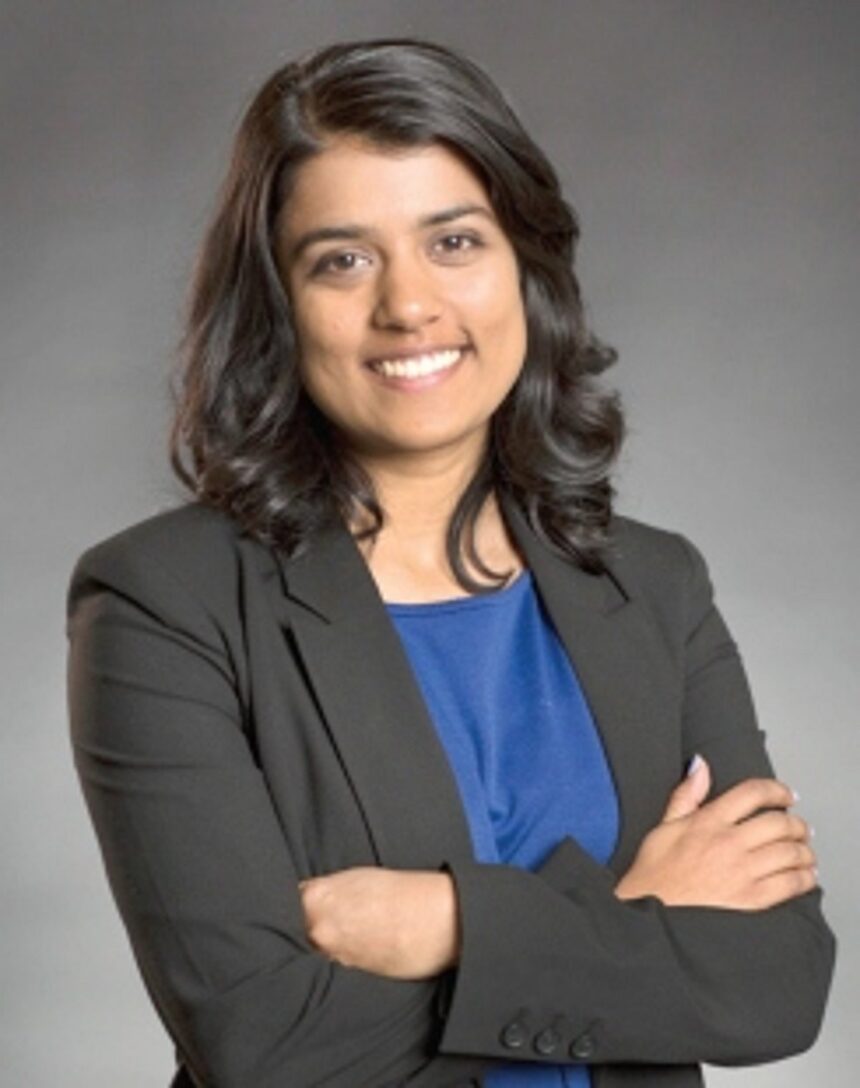
Computer Science PhD student and Gates Scholar, Krittika
D’Silva, is the third annual RBC Youth Award winner and the first Goan to have
won the Youth Award. Daughter of Rohit from Benaulim and Rachael from Olaulim,
Krittika has lived in Canada for the past 18 years and has a younger brother
who is studying Mathematics at the University of Toronto. Her uncles and
paternal grandmother Servita lives in Benaulim.
As an undergraduate in bioengineering and computer engineering,
she worked in three research labs and designed devices to improve prosthetic
sockets for individuals with lower limb amputations, built software for
low-resource settings and examined ways to use DNA molecules for long-term data
storage. “I worked in India with Microsoft Research to design and develop an
Android application as part of a campaign to help end the Maoist conflict in India.
It gave a voice to tribal populations and facilitated communication with
different agencies,” says Krittika, who lives in Surrey. She also led a project
at the United Nations on the Global Pulse team in Jakarta, Indonesia to harness
data science insights for policy.
To
conclude, Krittika explains what she plans to achieve at NASA, “I will be
working at NASA in Mountain View looking at how Artifical Intelligence can be
used to support medical care inspace. NASA deep space missions will require
advanced medical capabilities, including continuous monitoring of astronaut
vital signs to ensure optimal crew health. My research will examine how we use
biosensor data collected from NASA analog missions to train AI models to
simulate various medical conditions that might affect astronauts.”