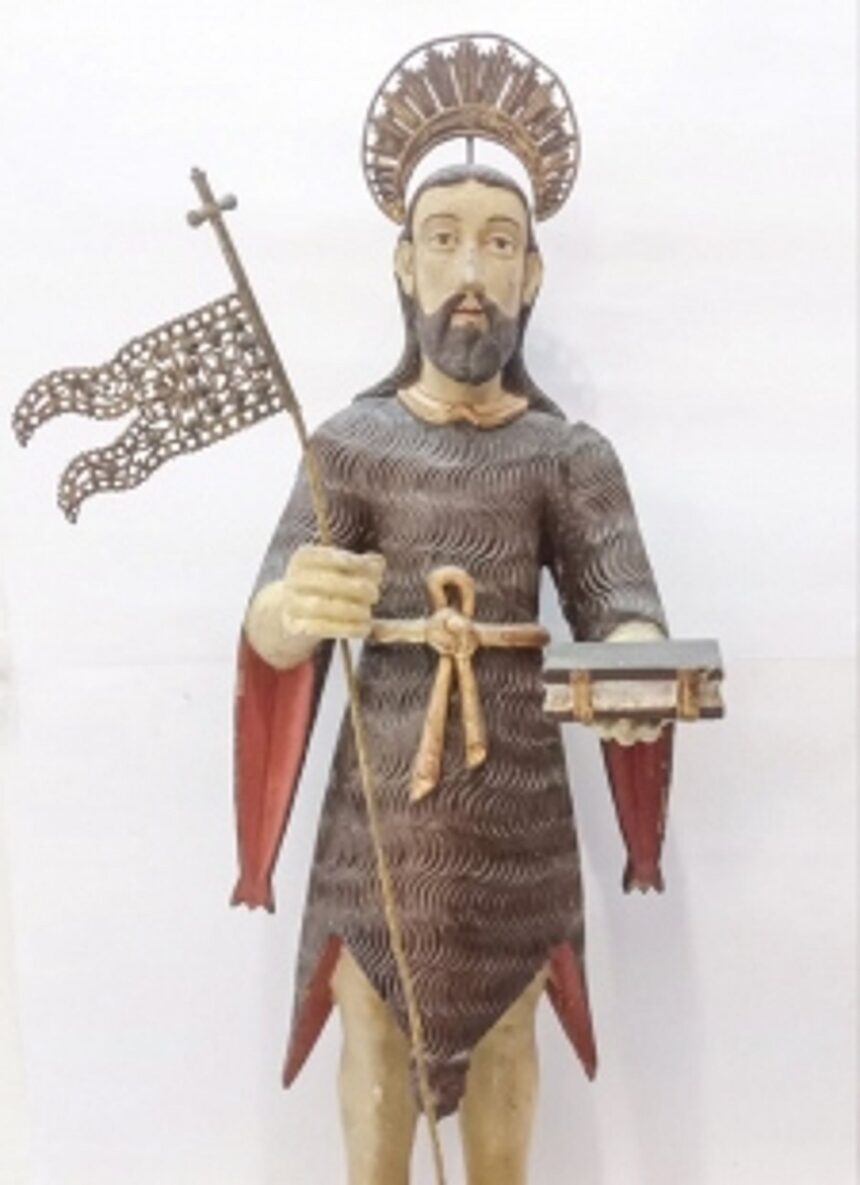
The nativity of St John the Baptist
is celebrated annually worldwide with great pomp and fervor. Goa, being unique
in all aspects, celebrates the saint in a unique manner as well. St John the
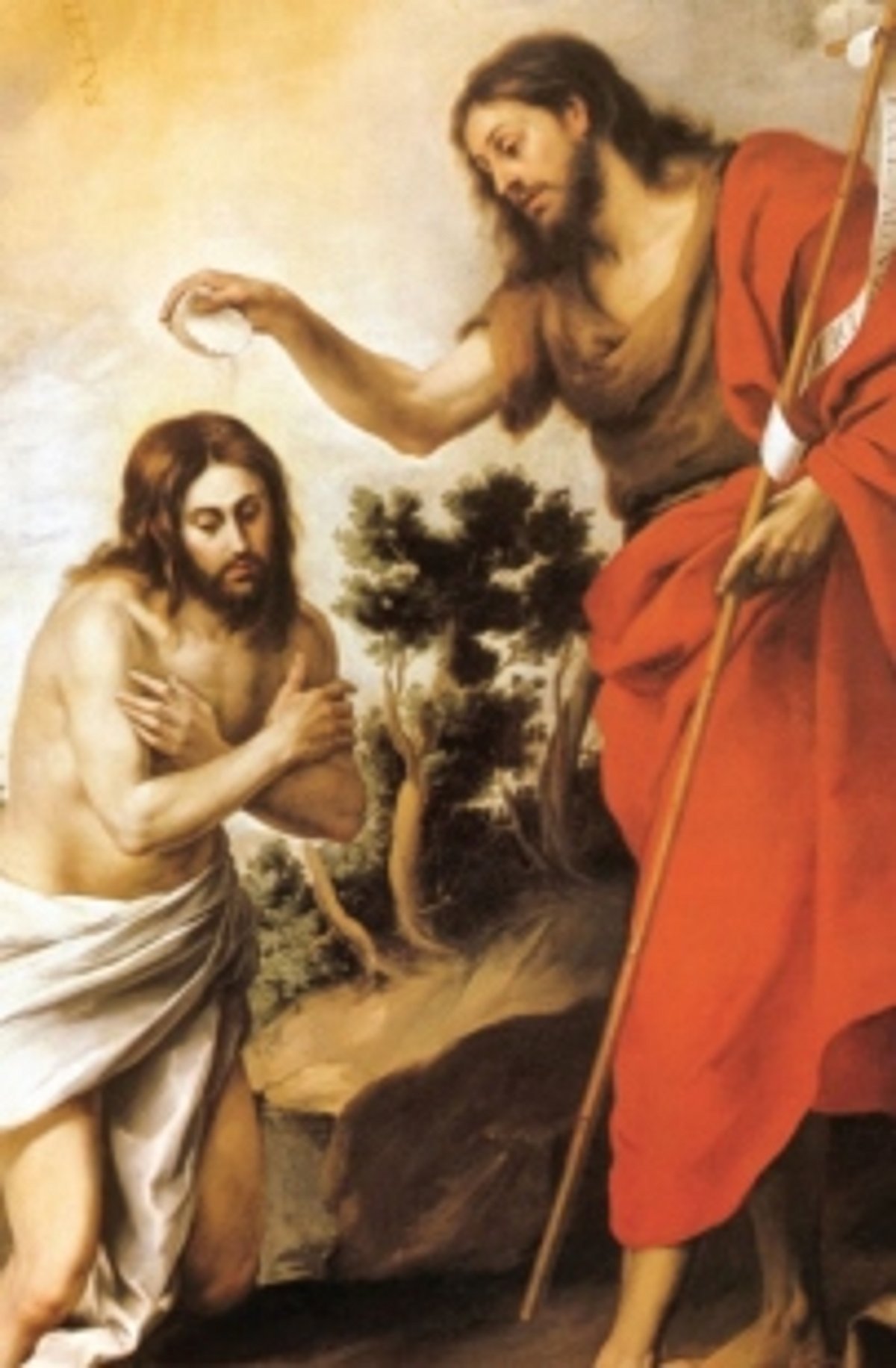
Baptist is remembered as a prophet, the forerunner of Christ and the man who
baptized Jesus. He was known for calling people to turn away from sin and to
recognize Christ for who He was. Scriptures mention that when Mary visited her
pregnant cousin Elizabeth, the Infant in Her womb leaped, the infant being St
John the Baptist.
Here in Goa, the feast
is locally known as ‘Zanvoiamchem Fest’ meaning, the son in-law’s feast. On
this day, the newly married son in-law receives an invite for lunch from his
mother in-law. The young man would be warmly welcomed into the house with fire crackers
being lit. On entering the house, standing right in front of the oratory, the
family members would sing the litany of all saints in Latin, followed by hymns
honouring Saint John the Baptist, the Virgin Mary and other saints (statues of
whom were in the oratory). After the litany was prayed, the celebration began.
Special dishes
prepared on this day included ‘Sanna’ (a steamed rice cake fermented with
coconut palm toddy), ‘Vindalho de Porco’, Steamed Rice, ‘Verdur’ (Pumpkin
cooked in coconut milk, spices and shrimps). After lunch, it was time for
desert. ‘Patolli’ was the only dessert served. The ‘Patolli’ is an indigenous
Konkan delicacy which is something like a dumpling stuffed with desiccated
coconut, palm jiggery and wrapped with fresh turmeric leaves. The ‘Patolleo’
are steamed in a copper or terracotta steaming utensil called ‘Copro’. On
enjoying the dessert, the family would engage in a chat waiting to welcome
groups of youth visiting them, singing songs of celebration honoring St John,
hitting stumps of coconut palm on the floor announcing their arrival as they
walked.
Traditionally, only
male members of villages would participate in this festive practice of visiting
all the families in their respective village. The rain would add to the fun and
fervor. As they walked down the lanes of their village, visiting people, they
would sing songs of celebration, honouring São João which were generally
accompanied by the ‘Ghumott’ (a percussion instrument from Goa), and the
‘Kansallem’ (bronze disks rubbed against each other to produce music).
Everyone would be
wearing colourful headgears made from a seasonal creeper called ‘São Joãoanchi
vall’, bearing tiny red flowers. This is probably an Indian indigenous
influence representing our close bond with nature.
On their visit, people
would offer them gifts in the form of liquor, ‘Patolleo’, fruits like
Jackfruits, Pineapples, bananas, ‘Sanna’ etc. Towards the end of their visits,
all the boys would assemble at village cross and pray the litany in honor of Saint
John the Baptist. All the gifts offered were then distributed amongst the men
gathered.
Just after the litany,
the boys jump into a well or a lake enjoying to their heart’s content. The said
practice of jumping into water bodies is not encouraged by the Catholic Church,
but was carried out to imitate the leaping of São João in the womb of
Elizabeth.
In the evening, on the
same day, the son in-law returns back home with an ‘ojem,’ a bamboo basket with
filled with different sweets, offered to him by his mother in-law. The ‘ojem’
is filled with stuff like jackfruits, bananas, pineapples and patolleo. On
returning home, the ‘ojem’ is then placed at the oratory of his house, a short
prayer is then recited and the food is there after distributed in his village.
This custom signifies that the bond of matrimony is not just between two
individuals but between two villages at large.