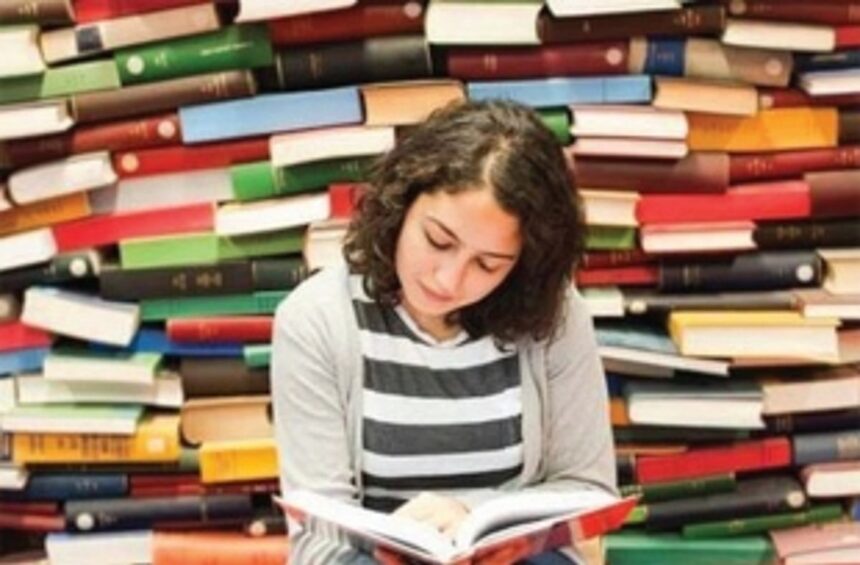
With major exams like the Std 10 and 12 Boards and competitive entrance exams, the stakes
involved are high – in terms of intense competition at both the state and
national levels, which Boards like ICSE and CBSE and entrance tests like NEET
and JEE entail, as well as the pressure to get into a good college, and
ultimately, a viable career. And with the results around the corner, later this
month, it is understandable that families go through immense stress during this
entire period.
Rochelle Fernandes says, “When I was answering my tenth board
exam, it often felt like my whole family was answering my papers. My parents
never spoke loudly or played loud music in case I got disturbed. They barely
ever went out because I had to study. So just because I was preparing for a
month, they too were under self-imposed house arrest.”
Aditya Dessai who was preparing for his 12th standard exams
pointed out that with the number of tests they have to answer on a daily basis,
there is also a sense of anticipation where they just can’t wait for the exams
to get over. On the flipside, Vibhav Kamat feels that there are many cases
where students are playing a catch up game when it comes to making sure they
finish studying all the relevant chapters and still have enough time for revision,
and there is always that fear that they may not be able to complete everything
before the exams.
Karen Coelho, a mother of two, went through very different
situations with both her children during their exams. With the one who was
emotionally stressed out, she emphasises that it was her responsibility to help
her cope. “I ensured that there was a relaxed and peaceful atmosphere at home.
A study time table, providing healthy food, daily walks and plenty of sleep for
both of us helped us to manage the period quite well.” Her other child answered
the NEET exam, and while he was initially light-hearted in his approach, the
situation turned stressful as the exam got closer. She says, “I had to help him
get back on track, and remind him that he would have to put in a lot of hard
work if he wanted to achieve his goals. I helped him to manage his time
properly and we were able to get through successfully.”
According to experts, with students already feeling the
pressure, it can lead to a tense household. There is also the emotional stress
involved in tackling major exams. It is pointed out that many students undergo
anxiety, pressure to live up to others’ expectations as well as their own, and
quite often, mental exhaustion. Further, it isn’t just the students and parents
who are affected; the entire family gets roped in! The stress levels in the
house, especially when it leads to arguments, makes it awkward for everyone,
siblings and/or grandparents included. Older siblings are relied upon to help,
having gone through the same process.
Speaking about how families can cope with this stress, experts
say that what students need is support – this is a difficult time, and the more
support they get, the better equipped they are to deal with it.
“Encourage your kids. Don’t threaten them or bribe them, but
motivate them to do well for themselves. Don’t forget to remind them (and
yourselves), that after all – it is only an exam! If anything goes too badly,
there are always retests,” says a psychologist while talking about what parents
should do in view of the results coming up shortly.
“Children spent the last few years preparing for this phase and
are told on numerous occasions that the 10th and 12th standard exams are the
most important and is what will shape their lives in the future. And with the
extremely high level of competition among students, along with the news of the
extremely high cut-offs required to get into the colleges they desire,
sometimes it can become a bit too much to cope with,” adds Seema Bandodkar, a
higher secondary school professor.
(With
inputs rom Ana Viegas)