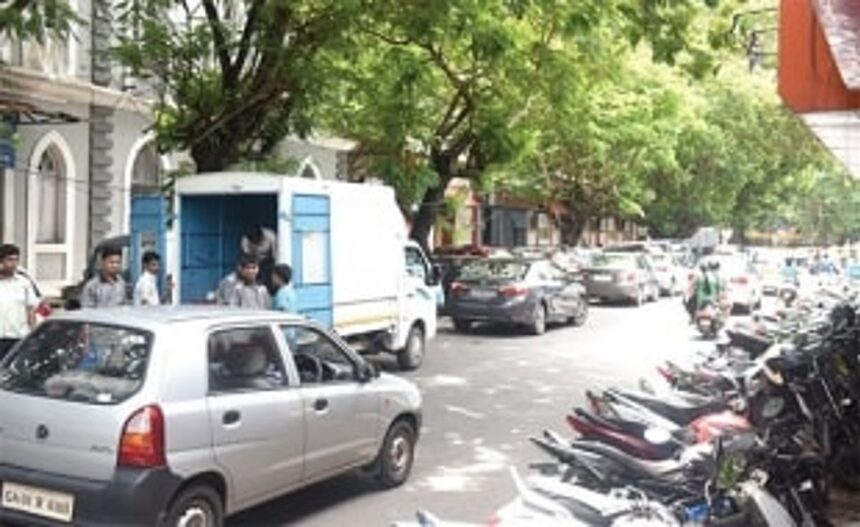
Come October,
four-wheelers entering certain roads of Panjim will now have to pay to park. It
is hoped this will reduce the traffic jams that clog traffic every morning and
evening in the city. But will it? Will the number of cars coming to Panjim
reduce? Will the people coming to Panjim use public transport to reach their
respective destinations?
Kabir Pinto
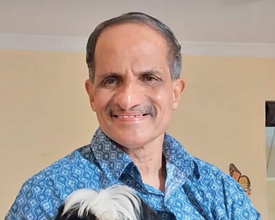
Makhija the former deputy Mayor of Panjim was of the opinion the aim of
introducing pay parking was to instill traffic discipline. He said “It is also
a move to prevent taxis and shopkeepers from occupying parking spaces in the
city from morning till night”. When asked what else needed to be done to ensure
this move would become a success, he said public transportation had to be
improved without a doubt. Various cities around the world and even in India has
flirted with the idea of a NO MO ZO but it would be impractical in Panjim.
For residents of
Panjim of a certain age, many still pine for the Panjim of old, when it was
easier to cross the roads, the infrequent traffic, the minimal pollution and
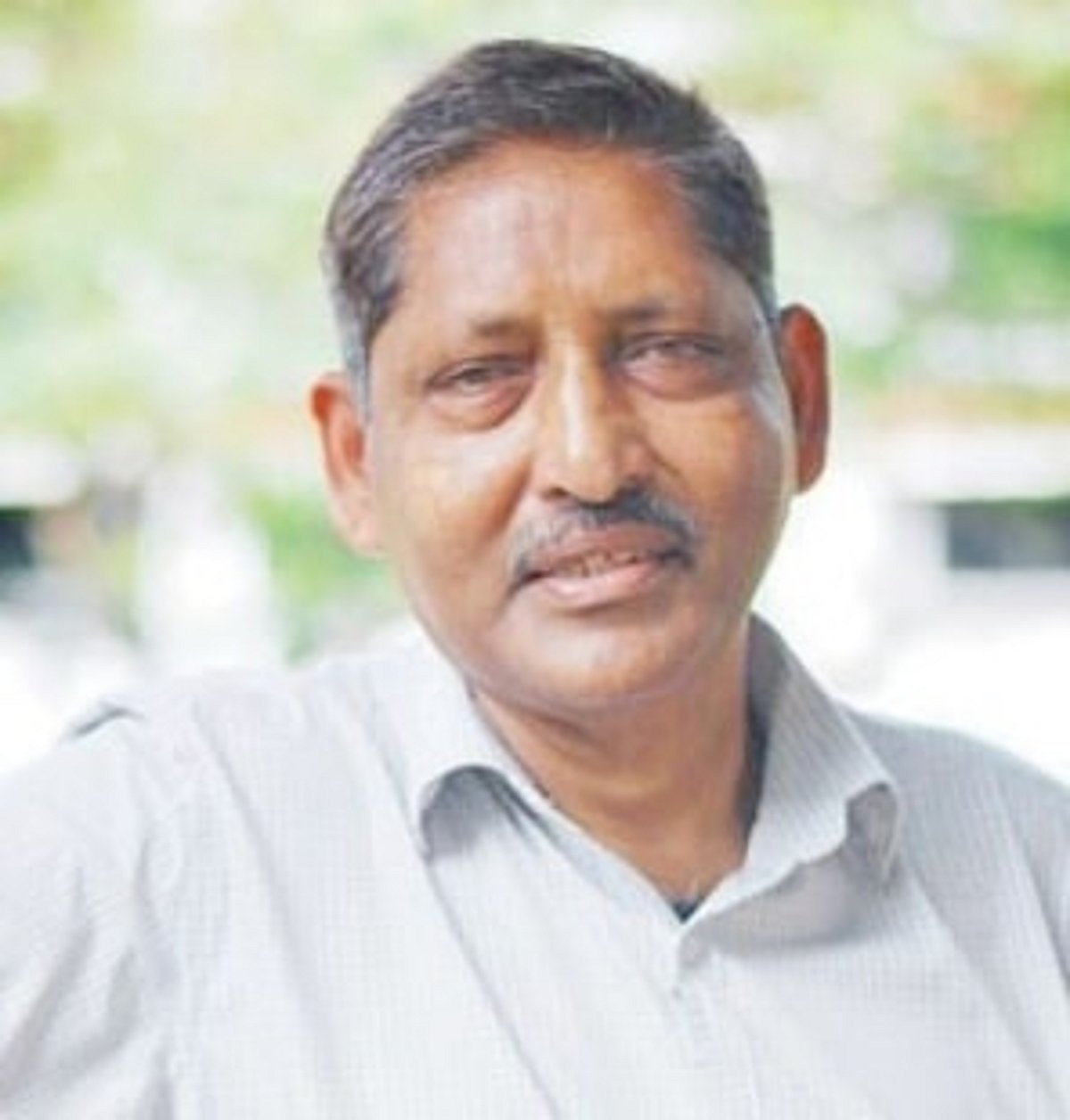
yes the general reduction in the noise levels. KiritMaganlal who established
Magsons was excited by the development. He said “I agree absolutely, it was a
necessity. But like everything in life, it will come down to implementation. Somehow
good plans get awry because of poor implementation and the wrong people being
in positions of power. I believe this initiative should be made applicable for
everyone be it shopkeepers, residents, and taxis especially”.
He said a move
had been initiated in the past for pay parking which was opposed by shopkeepers
who wanted space in front of their outlets to be kept vacant for interested
shoppers. Nowhere in the world are shopkeepers given parking slots in from of
their outlets or anywhere else. Kirit said this did not happen but shopkeepers
in Panjim opposed it and then the people behind the initiative moved on.
He said when the taxi strike was on the roads
of Panjim were less congested and made life so much more pleasurable. This move
will he said now be a dampener for those who would break the law. The fines would certainly hurt, he said and
dissuade them from repeating their actions.
He went one step further and said that if the same person broke the law
two or three times then the license ought to be suspended. Now it is 3 months
but he felt it could be made longer to make them feel the pain. With regards to
the NO MO ZO, he said he was not in favour but liked the idea of it. He said
“The last time they came up with something like this, the area was cordoned off
and people played cricket on the streets which beats the larger purpose. People
need to be educated about the benefits of such an idea”.
Yatin Parekh a
former Mayor of Panjim and a businessman who owns shops on 18 June road said it
was a good idea to have pay and park and it was the easiest thing to do.
However, the issue had to be tackled from different angles. Mr Pareskh opined,
“Local transport had to be improved and local taxis and autos have to be
available easily. It is important if a building is being erected for commercial
purposes then parking slots have to be allotted in the plans otherwise the
people will park somewhere else and will have to walk to their offices. The
laws have to be changed. We should introduce ac buses in the city to help
dissuade people who drive cars to enter the city with it.”
As a businessman, he was against the idea of a
NO MO ZO in central Panjim. He said “It makes no sense. People should be
allowed to come and park wherever if the facilities are available. I have
outlets on 18 June road and I want people to be able to park near my
outlet”.
De-congesting
the streets of Panjim, is also an important aspect of Panjim’s Smart City plan.
The Imagine Panaji Smart City Development Ltd has made decongested orderly
streets an important vertical in the Smart city plan
THE FINAL TAKE:
Panjim is a city which is approximately 8.5 km in size with approximately
40,000 odd residents. Parking is a mechanism whereby supply and demand
equations are met. Out of every 1000 residents, 550 people own 4 wheelers.
Hence we have to define a way to dissuade people from using their private
vehicles This can be done by having a very good and effective public transport
system. The parking charges should well be thought out. It should be part of a
larger policy. A detailed parking policy has been presented to the government
by the Smart City and it is being studied. To make it a success the last mile
connectivity is very important so places like Santa Monica jetty has to be done
up and there has to be good and fast transport connection with the city. If
planning is in place this pay and park policy will decongest Panjim. It is also
important to have dynamic parking depending on demand and other factors.