Indo-Portuguese
arts have been gaining popularity over the years in Goa. With the young generation showing more inquisitiveness
and eagerness to learn the arts, the trend of reviving the ties with Portugal
is blossoming. The Fundação Oriente in Goa has kept the cultural aspect of the
Indo-Portuguese ties strong over the years by promoting various programs,
competitions and providing scholarships for those with keen interest. Maria
Inês Figueira, Director, Fundação Oriente India explains the various
scholarships, “In 20 years that the scholarships have been given, there are
more than 900 students who have been interested with 80 percent of the
scholarship resulting in publications. We have three scholarship programs for
South Asian nationals who want to go and study on short or long term or
Portuguese language in Portugal. Those who had the scholarship, continue to have
a good relationship with Fundacao Oriente. Sonia Shirsat, someone who didn’t
speak the language, discovered Fado, took the scholarship and see where she is
today. She is definitely our greatest success.”
The centre has also
been a hub for visual arts with a permanent exhibition of a collection of
Antonio Xavier Trindade and The Fundação Oriente Visual Arts Award 2018. In
performing arts, they organise Monte Music Festival and Vem Cantar, a
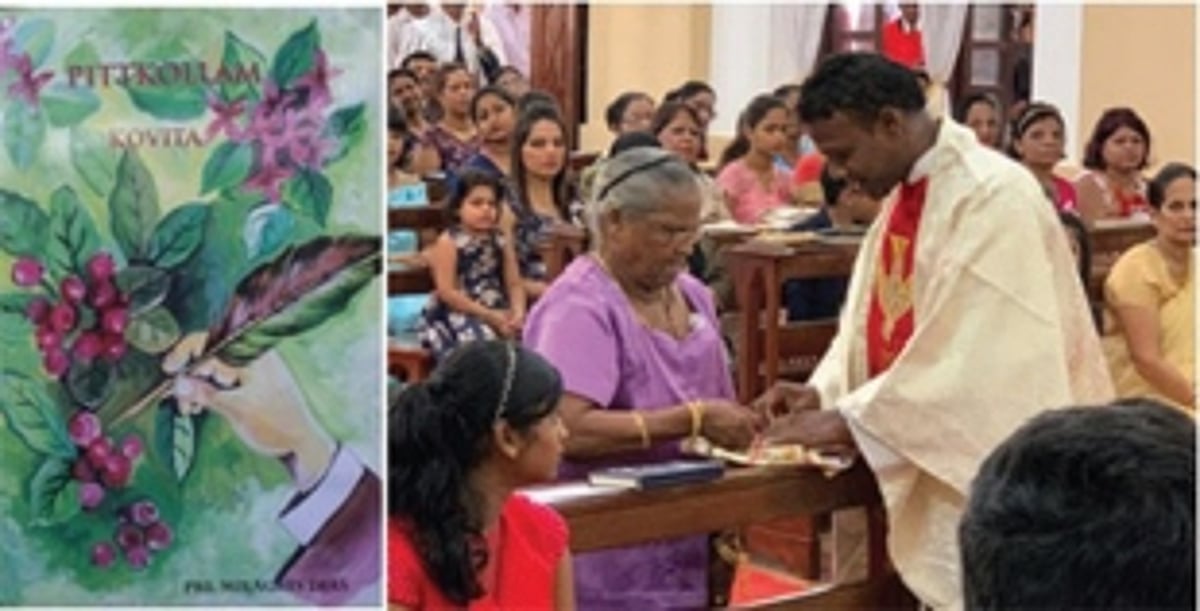
Portuguese singing competition and in literary arts, they publish a book either
something related to Indo-Portuguese heritage or the Goan short story
competition as an anthology. “We also have the support of teaching Portuguese,
financial support for the teachers, for their training and the workshops and
the events that the schools promote in terms of Portuguese language. We also
have the prize for the best Portuguese student.

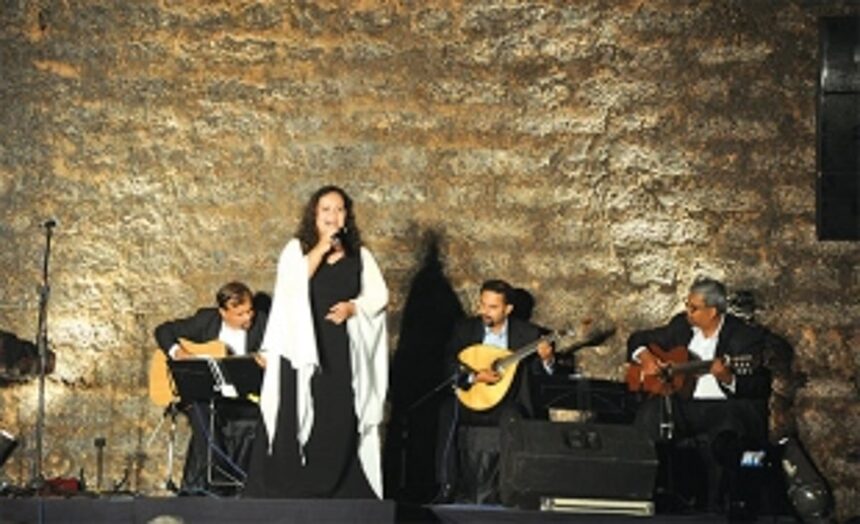
Sonia Shirsat, a
noted Fado singer in Goa has helped many students spread their wings with their
singing talent in Fado. Conducting Fado workshops in Margao, Vasco and Panjim,
she will conduct classes in Mapusa soon. “I had a two months short term
scholarship in 2006 and in 2008, where I visited authentic places from where
Fado is sung. It opened up a very different understanding of Fado for me compared
to what I had in Goa,” says Sonia, about her experience.
Speaking about the
students she has been training, she explains, “The students who come to us go
back with a much deeper understanding of Fado. We teach different categories
and roles of Fado and the history of Fado which is not available on the
internet, even if they were interested in learning by themselves. Fado was a
known music genre restricted to senior citizens who spoke Portuguese. Now, it
has a bigger audience through the years and competitions. I just changed the
image of an old concept of the old generation to something for the new
generation to like and identify with. Our classes are for those don’t have to
speak or understand Portuguese but they like the music and if they want to learn
we help them. Subsequently, to fortify their performance, they can learn the
language.”
Xavier
Centre of Historical Research is known for its focus on Indo-Portuguese issues.
They also organise seminars and talks throughout the year especially related to
the Portuguese in India and Asia. The current director is Fr Dr Anthony da
Silva, SJ who informs that they have been receiving scholars from Portugal, USA
and Brazil. “The usual topics that they research and that we can be helpful in
are those topics from the colonial period, the Indo-Portuguese period starting
from 16th century to 1961.
Visiting scholars have to apply to the centre, if they are going
to come and stay for a particular period of time and in that capacity they use
the library. Once their literary works are complete, they put in their
foreword, an acknowledgement to the Xavier Centre for its services at the
library, resources etc. That’s how the word gets around and other scholars can
come for resource material,” says Fr Dr Anthony.
Compared
to earlier, the centre has noticed a change in topics that has been researched
and written about. “In the 1960s, there was a lot more emphasis on the
colonial- political environment that I find has withdrawn a lot. Cultural
interests are much more longstanding and people are always interested in
culture like how Goa is different from other states in India. The scholars have
now started to go to Kerala because they have made this Portuguese connection
with Kochi. That also changes the nature of research as Goa is now also become
a part of this wider research,” adds Fr Dr Anthony.