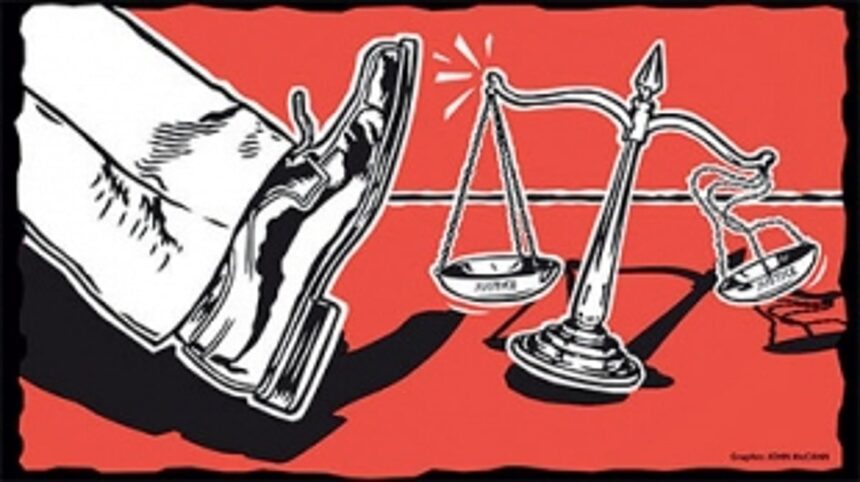
Earlier in the week on a Monday to be precise, the Lok Sabha passed the Right to
Information (Amendment) Bill, 2019. 218 voted in favour while 79 voted against
it. The bill which was introduced on Friday, sought to give the Central
government the power to set the tenure and salaries of the Chief Information
Commissioner (CIC) and Information Commissioners (ICs) at both the central and
state levels.
Defending the bill, Jitendra Singh, Union
minister of state for personnel, public grievances and pensions, told the House
“there is a provision that suo-motu you should provide maximum information in
public domain so that the number and the need for RTIs reduces. In five years,
we have made changes so that things are uploaded faster on websites”.
That argument however did not cut much ice
with RTI activists and those who have campaigned and taken up causes armed with
information procured through RTI. South Goa based, Abhijit Prabhudessai was
adamant when he said this amendment was aimed at diluting the independence of
the act and making it less effective. He said “If it is less effective then it
means it is less transparent. It was the only way to get to files with the
government. How do you measure corruption?. Secondly in the country all steps
being taken to reduce sovereignty of the people and this is another step in
that direction. We are a Republic and this govt we created is trying to take
our powers”.
Aires Rodrigues who has fought with the state government using
information accessed by RTI was blunt as expected. He said “As was expected the
now power intoxicated BJP is all out in its mission to weaken and dismantle the
very democratic principles on which our great nation was founded. The Right to
Information Amendment Bill, 2019 introduced and passed by Parliament is a very
retrograde move with the sole aim to subvert the autonomy of Information
commissions while diluting our nations’ potent and widely used weapon for
transparency and accountability in the functioning of the government. The
biggest achievement of the RTI legislation is it tells the most powerful people
that they are not beyond the reach of a common man within a short and fixed
time span rather than the needless and unending procrastination. The impact
created through this legislation can be seen through some important landmark
judgements as a result of uncovering many scams”.
The RTI was a weapon
that was used effectively by the opposition to dethrone the Congress government
in the state as well as at the centre. Cleofato Coutinho lawyer and activist
said “After a long time came an era of transparency. Parrikar used RTI
excessively through activists and pinned the government on the back foot. The
government at the state and the centre were kicked out because of RTI. Though
the Congress brought the bill it suffered. Now with the salaries and tenures
dependent on the largesse of the government the RTI commissioners are at the
mercy of the government. Information
commissioners will not act with the same degree of independence
as was the case earlier and information on important matters will be shoved
under the carpet.
Shailesh Gandhi who was part of the National RTI movement which
was involved in drafting the National Act said it would certainly affect those
looking for information relating to ministers. He said it would certainly
weaken the RTI and more importantly the weakening of the fundamental rights and
the citizens would have to continue to protest. He said “The problem is also
that our citizens have become lazy”.
Others contacted
echoed similar sentiments and felt it was a black day from democracy. The
people they felt were being made irrelevant in the republic and that had to be fought against.