We are a culture who want more, we move fast and we’ll push things out of our way to get
it. In this social and emotional environment, our health usually takes a back
seat. Who has time to spend two days in bed getting over a flu? Forget the week
or two or three that people used to spend in spas recovering from their
respiratory afflictions. Time off? Who’s got any? If we’re not working 60-hour
weeks for someone else, we’re frantically struggling to manage the dozens of
tasks we have on our docket at home. As a result, we are more likely to
tolerate a low-level chronic disease than give up our lifestyle. So we suppress
symptoms as soon as they appear. We’re so busy and so active we don’t even want
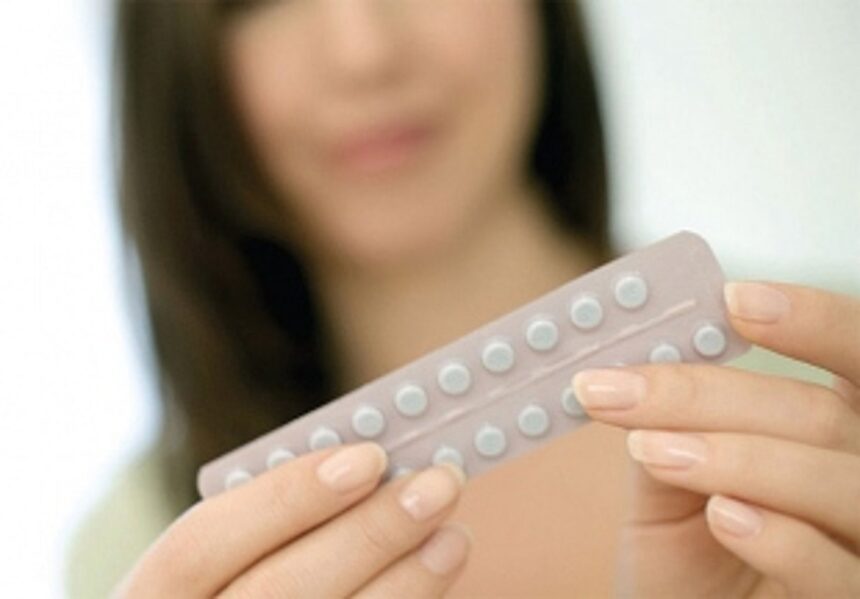
to take time to menstruate. To help us out, the pharmaceutical companies now
offer a pill to make our menses light and last only 2 days.
We know that all women go through the
cyclical process of menstruation, be they fertile or infertile. Typically, your
body ovulates once a month, ripening a new egg that will then journey down a
fallopian tube. Eventually it reaches the uterus, where it would implant, if
fertilised by a sperm. If not fertilised by a sperm, then the lining of the
uterus that had built up in preparation for the fertilised egg is unnecessary
and both egg and uterine lining leave your body, cleansing your system and
preparing for a new month.
With estimated 150 million women worldwide taking birth control
pills, one wonders if there is any benefit to this monthly natural phenomenon?
It turns out, there are a few cardiovascular benefits to those
having menstrual cycles not regulated by the pill. While menstruation is
necessary to rid the body of the uterine lining that has built up in
preparation for pregnancy, it also eliminates excess iron, which can be a risk
factor for cardiovascular disease. Additionally, the menstrual cycle includes
two weeks where women demonstrate significantly reduced blood pressure. As a
result, women have fewer heart attacks and strokes while they’re in their
fertile years. An evolutionary biologist also posited that monthly menstruation
flushes bacteria out of the reproductive system.
On the larger side of the scale is cancer. As far as cells go,
menstruation is a fairly violent process. During the menstrual cycle, hormones
cause immature eggs, or follicles, to develop. At the point of ovulation, one
follicle produces an egg, which scars the ovary. If the egg remains
unfertilised, then the built-up uterine lining, or endometrium, is shed as a
menstrual period, which in turn creates more scars. These scars cause cells to
divide and regenerate, and if something goes wrong with that process, then
you’re looking at ovarian and endometrial cancer. When a woman is pregnant,
thus giving those symptoms a rest, her risk for ovarian cancer at some point in
her lifetime drops by 10 per cent.
The hormone oestrogen fuels 80 per cent of all breast cancers.
Since pregnancy and lactation reduce your oestrogen levels, your risk of
oestrogen-fuelled cancer is decreased each time you are pregnant and while you
are nursing your baby.
Your menstrual cycle is unique to you. You must remember, if you
are taking pills, your cycle is regulated by the Pill, rather than your natural
hormones, so you will not experience these benefits. What’s more, regular
menstrual periods tell you that your hormones are in balance — critical when
you realise about 80 per cent of the women we see in our clinic today
experience symptoms relating to hormonal imbalance. If not addressed, it can
lead to worsening PMS, fatigue and weight gain, as well as increased risk for
more serious health issues. In missing early signs of hormonal imbalance, you
may also miss the opportunity to find early cure.
The
writers, Dr S Martins MD/ Dr D Martins MD, are Consultants at VitaNova Clinics