In the languid by-lanes of Siolim,
this genial gent is a familiar figure. A soft-spoken and extremely talented
stalwart Alexyz is a little bemused with this work from home and lockdown
business. “I have been working from home for the past 40-45 years and
especially after the passing of Joel D’Souza, a great Goan photojournalist,
writer and cultural researcher from Siolim. 99 per cent of the time I don’t get
out of the house. But for the first time, I am definitely seeing the susegad
Goa, with people relaxing at home, the Goa that I knew. In the mid-70s, when I
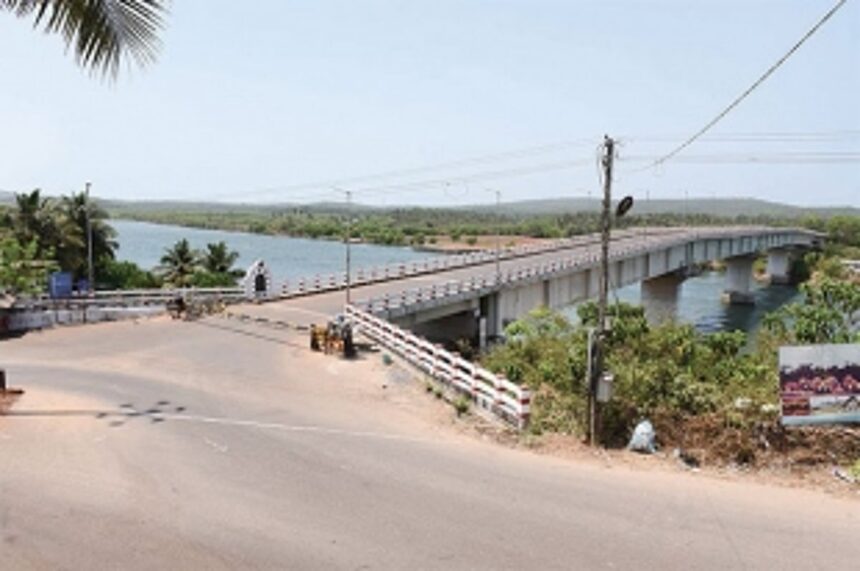
came back to Goa from Bombay, the roads were not even tarred and every bike
that passed, you would know that person. I am looking at the lockdown
positively with humour,” says Alexyz.
We often hear our elders say that
they saw a different life in Goa, a quieter and more peaceful time when there
were fruit-bearing trees and wild animals visiting the backyards of the house
when just a few vehicles passed by and cycles and bullock carts where the major
transportation. The lockdown has completely changed the way we look at life.
Comparing the shutdown then to the
curfew now, historian Sanjeev Sardessai says, “Those were the days, when
bunking was a trend. The Student Union called shutdowns, identified as a
“boycott for a cause” was a much needed stand; it was for a ‘wrong to
mend’. It also was pure joy as it gave us a chance for college not to attend.
Prajal Sakhardande, Head of the
Department of History in Dhempe College of Arts and Science, Miramar has been a
part of various movements in Goa like the Heritage movement, Goa Bachao
Abhiyan, Anti SEZ movement, Goa’s movement for special status, the Mhadei
Bachao Abhiyan etc. However, he is being positive in this time of the pandemic.
“I look upon the positive aspects of the lockdown as in the air is clearer,
pollution is low, birds are chirping and singing brightly and are happy.
There is no noise or sound pollution. Destruction of our natural heritage at
the hands of builders have stopped. Hills look greener. Tree felling has
stopped. No rush hours no traffic jams and no fumes. People have stopped
spitting on the roads. I feel it’s a rejuvenation of nature. The Corona is
nature’s wrath on us humans,” he says.
He further adds, “We used to have
nationwide or statewide one day bandhs and bus strikes and it reminds me of
those days. Sometimes, I feel we are transported to colonial times when Goa was
quieter albeit I had no opportunity to see the colonial times of Goa but our
older people are reminded of those days.”
Coming back to Alexyz, a noted
cartoonist from Goa, wh received the Goa Cultural Award for painting in
2018-19. He was the first cartoonist for Herald back in the 1980s during the
Konkani agitation and the statehood struggle. He had eight columns for his cartoons
and the readers made the cartoons into posters for the agitations.
“We were having shutdowns during
the time of the agitations but not as bad as this lockdown. Goa had certain
areas closed but not in this sense. I was even threatened for my cartoons
during the language agitation but it also had an interesting positive side to
it too. I visited Alliance Francaise in Panjim where I met Lawrence Pereira who
over a casual chat asked me to stay with his family when I visit France. His
family lived in Paris and his cousin knew me well but I didn’t know him. When I
went to Paris, his cousin who met me said he knew me well through my cartoons
as they would wait for my cartoons on the language agitation everyday. He
bunked work to take me around Paris for the whole day,” reminisces
Alexyz.
Thus for many of Goa’s old-timers and students of history,
lockdowns are not alien but what makes this different is that few know when
this will end, or when the next phase of lockdown will start. It’s the same
feeling but with much less or no control, either of the present or the future.