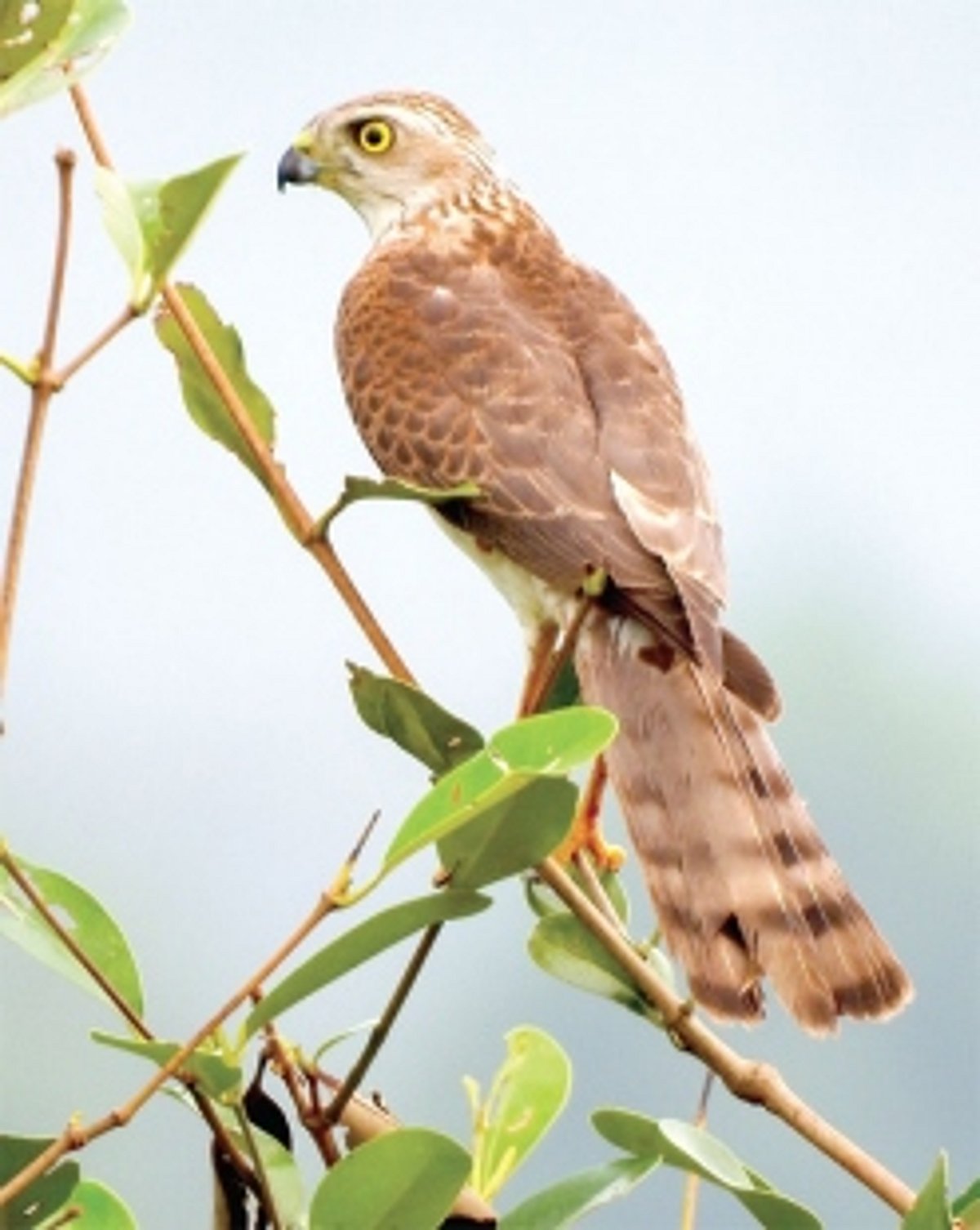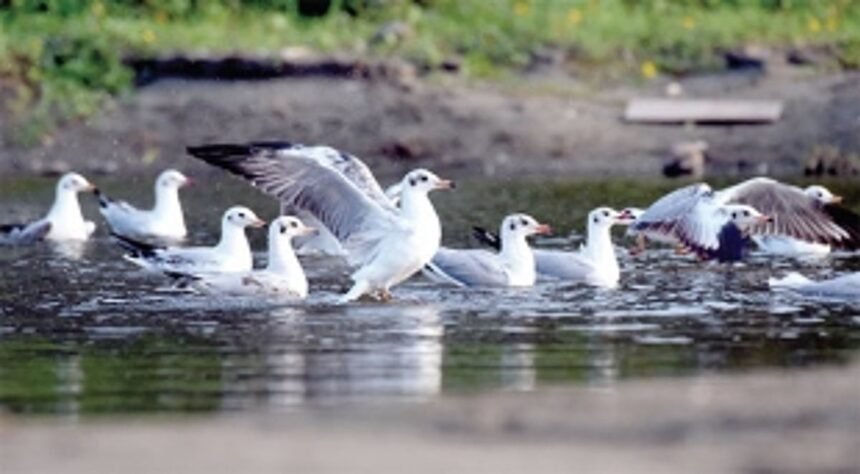
The 5th edition of the two day Bird Festival of Goa is scheduled to start today at the Dr.
Salim Ali Bird Sanctuary, Chorao-Panaji. The Forest Department hopes to spread
awareness, ensure conservation and promote indigenous and migratory avian
species alike. A large number of ornithologists and nature photographers are
expected to congregate and observe the 450 species of birds that have been
spotted in Goa, thus far.
Environmentalists in Goa who have been
concerned about the destruction of the state wee more than keen to state their
opinion. Environmentalist Rajendra Kerkar said, “Rapid deforestation,
unpredictable seasonal patterns, untenable development, rise in air pollution,
destruction of wetlands and water bodies are primary reasons behind the decline
in bird population. Goa is rich source of biodiversity and provides shelter to
more than 450 species. Goa is a famous destination for tourists and is the
destination for ample of flora and fauna. Each and every individual will have
to work selflessly to protect its ecological heritage.”

A birdwatcher and nature enthusiast
Prasanna Parab felt Goa was doing well in terms of monitoring but expressed
regret it had fallen behind when it came to conservation. He said “Last decade
has been good in terms of monitoring of birds. Monitoring is one thing and
taking action is another. The State government has officially declared the six
lakes (Xeldem and Nanda lakes in Quepem, Toyyar in Chimbel, Dashi in Revona,
Sarzora in Chinchinim and Cotambi Lake) as wetlands but
wetlands-to-infrastructure development ratio is completely misbalanced. The
pace at which the developmental works are carried out by destroying the
ecosystem is more than the efforts taken to conserve it,” said Parab. He bemoaned
the fact that conversion of Khajan lands, destruction of mangroves, plateau,
wetlands, water bodies were taking place for creating structures but similar
pace was not visible in trying to conserve the natural resources.
Parab claimed all the activities
pertaining to awareness, bird trails, pre-bird festival walks, seminars,
webinars and bird-watching were short term and would only last till the last
day of the festival. “As soon as it ends, until the next subsequent year, zero
encouragement programs or activities are held to act upon,” said Parab.
In Goa, the presence of the hornbill was a mark of a rich
deciduous forest. The slaughtering of trees has led to ecological imbalance and
destruction of natural habitat. The change in status of the great hornbill and
Malabar pied hornbill (endemic to Western Ghat) to ‘near threatened’ suggests
the same. Research has revealed the electro-magnetic radiations emitted from
cell-phone towers have ruptured eggs and embryos of the sparrow. The rate of
decline in the population of sparrows is the harsh truth that is visible.
Alteration in the patterns of anthropogenic pressure is also affecting the
habitat of birds.
Improper disposal of garbage and no proper sewage treatment,
increase in number of dumping sites near water bodies is also affecting the
habitat of local species. Kerkar said, creating natural/artificial water holes,
preserving the natural springs, attracting birds by fitting water baths for
birds in garden, planting fruit/flower bearing plants will help protect the
bird population. Identifying and mapping the critical sites for migratory
birds, carrying out the bird surveys, protecting wetlands and hotspots should
be given priority, he concluded.
“In terms of diversity there is no decline but in terms of
density the population of birds is declining manifold,” said Parag Rangnekar
founder member of Goa Board Conservation Network (GBCN) and member of Goa State
Biodiversity Board (GSBB). Climate change and disturbance in the migratory path
are the primary reasons behind this decline.
Birds travel a long distance from North down to South wherein
they take halt at sites to rest/ drink. These sites are termed as ‘staging
grounds’. Goa has many such staging grounds shorelines, mudflat, sandflat,
wetlands. In addition, the state possesses enough data pertaining to the
location of staging grounds. Keeping these staging grounds functional is of
utmost importance. He went on to say the State of Goa was aware of the need for
conservation but the people were not acting.
Omkar Dharwadkar a naturalist and President of GBCN felt habitat
degradation and disturbances at breeding grounds was the cause of the decline
in the bird population. He however pointed out that the number of bird species
had declined but at the same time new species were now in. This infers the
birds have adapted themselves to the changing weather conditions, said
Dharwadkar. A once large population of Northern Pintail (migratory duck
species) which was sighted a decade-and-a-half ago was now almost gone extinct,
he said. He appealed to the general public to treat their waste responsibly
especially single use plastic to protect the aerial population.
The number of birds sighted this year are more compared to that
of last year said Mandar Bhagat, a bird Researcher. “Habitat hotspot
destruction is the main reason affecting the migration of various bird species.
The classic example can be of ‘Carambolim Lake’. Since the paddy fields are
left uncultivated, the water in lake remains unutilized. Carambolim lake
remains flooded with water yearlong which is unfavourable for visiting birds.
Since birds prefer shallow water, the number of birds visiting this site has
considerably declined. Hardly 10 per cent population compared to decade ago can
be sighted at present,” said Bhagat. “On the positive side of it, the new
hotspots as well are being created at Raia, Loutlim, Navelim in South Goa. This
year, a rare long-billed Dowitcher was sighted between Raia and loutlim border
for the very first time,” added Bhagat.
Migratory
birds flyway in the winter season and few are summer migrants. Sighting of
species has increased this month compared to last one stated Ramesh Zarmekar,
chief naturalist at Nature’s Nature resort. Vultures which were sighted decade
ago have already gone extinct. Garbage disposal at Verna plateau has declined
the visit of Waders birds considerably. You can’t pesticide and kill everything
for your own greed. Birds rather each and every natural factor is equally
important for maintaining the balance in the food chain and ecosystem, he
added.