Goa is known for festivals, music, food, and beaches. Since the Portuguese
era, Goans have been celebrating feasts with pomp and gaiety. On June 24, the
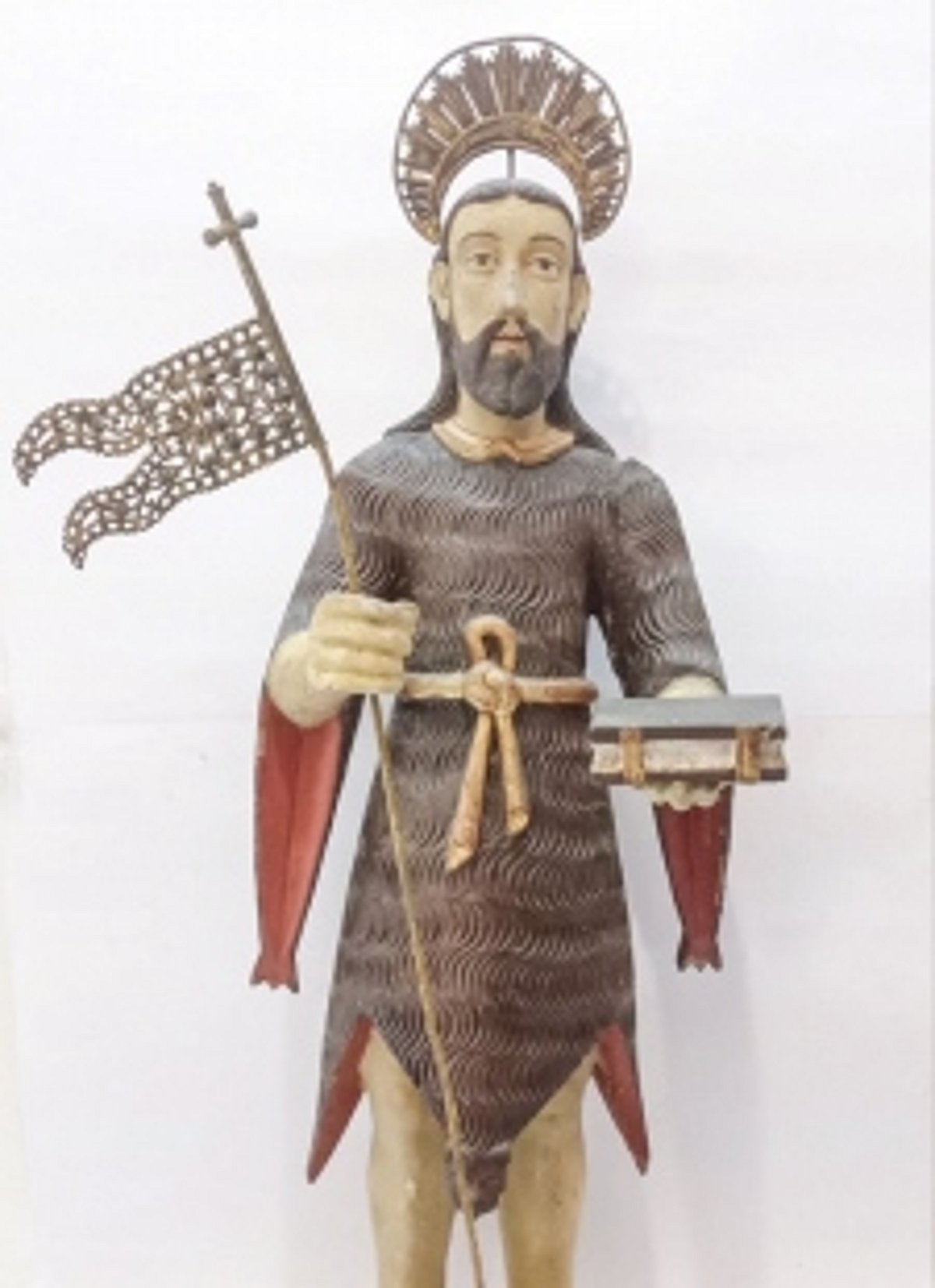
Roman Catholic Church celebrates the birthday of St John the Baptist.
According to the Bible, Angel Gabriel
gave the message to Mary at the Annunciation that she would give birth to a son
(Jesus) and her cousin Elizabeth, in her old age, conceived a son, and she,
whom people called barren, is now in her sixth month (Lk. 1:36). When Mary
rushed into Zechariah’s house and greeted Elizabeth, the child (St John) leaped
in her womb. Elizabeth was filled with the Holy Spirit (Lk 1: 44). This
important event by jumping into wells/water bodies. The well symbolizes the
womb, and the leap signifies the pleasure and happiness associated with the
birth of Jesus Christ.
St John was a messenger in the desert of
Judaea proclaiming, “Repent, for the kingdom of heaven is close at hand” (Matt
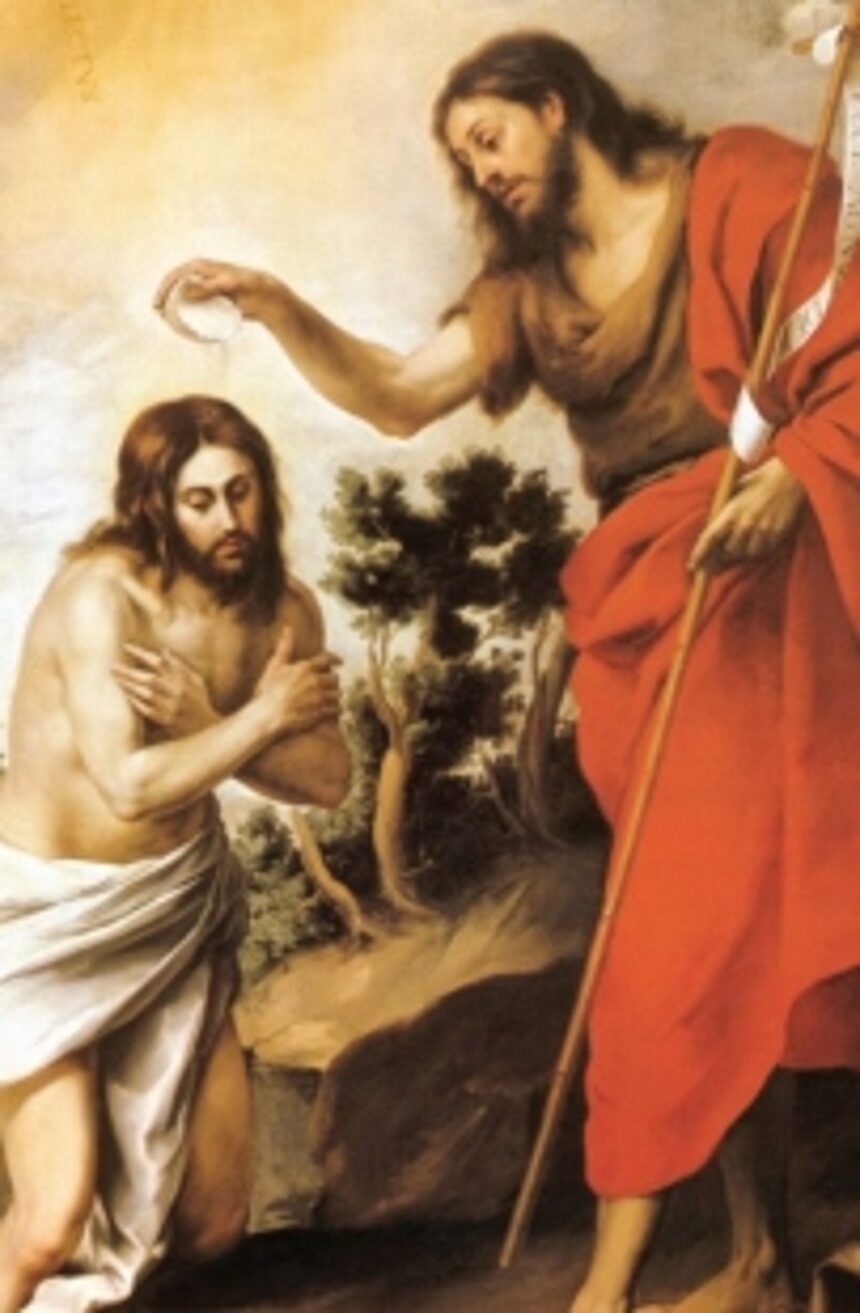
3:2). Those who received the message would ask John to baptize them. So St John
the Baptist is an important figure in the New Testament because he baptized
Jesus Christ and many others in the Jordan River. So he received the title of
John the Baptist. He became the first martyr in the New Testament after Herod
Antipas beheaded him at the request of Herodias’ daughter.
The São João
feast brings families and friends together during the rains. On the feast day,
the Catholic community attends Mass in the morning. After that, old and young
in colourful attire go around the village singing mando, dulpods and the famous
São João song of C Alvares. Most adorn a fancy crown (kopel) of flowers,
creepers, and veggies.
It is customary for the newly-married
daughter of the village to visit the maiden home with her husband and
participate in the revelry. They are welcome by the family by placing a kopel
on their heads, followed by a short prayer for their marriage to prosper and
blossom. The newly married couples and those with a newborn are offered a
platter of seasonal fruits like mango, pineapples, bananas, jackfruits, and a
bottle of feni.
Culinary delights are also seen at the
dining table. Each household prepares a range of delicacies like vindaloo,
sorpotel, assad, sannas, donne, or holle. The latter is made from rice flour
and a filling of scraped coconut and jaggery. Traditional sweets like godshem,
boiled jackfruit seeds, and sweet moogache vonn are also served to the
son-in-law.
The Siolim village is the center of
attraction for the cultural celebration in North Goa. A sea of people visits
this picturesque village to witness a boat parade on River Chapora. Canoes are
decorated with themes portraying social issues such as drug abuse, village
lifestyle, World Cup, nature/environment preservation, pollution, etc. It is a
blend of traditional mando, dulpod, and hymns sung to the tune of guitar,
violin, ghumot, trumpet, and other instruments. A stage is also set up near the
big Cross where the cultural program is held.
São João is also a
festive occasion in many villages in South Goa, particularly in Benaulim, where
St John is the village patron. After Mass, the villagers have a revelling time
by visiting households and jumping into the wells. In most villages, groups of
youngsters move around with kopel on their heads and a coconut leaf sheath
(piddo) in hand that they beat to the ground by shouting São João. This year,
the revellers will have to jump in the swimming pools as the water level in the
wells/ponds is very low due to weak monsoon.