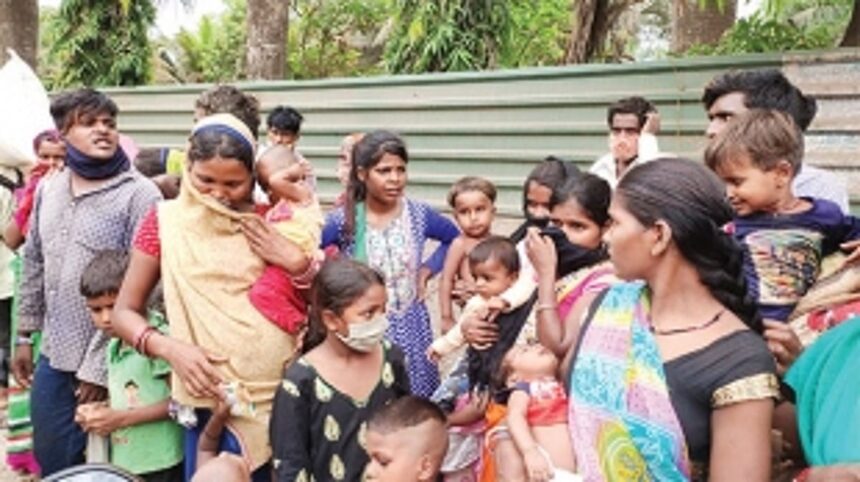
As the queues of migrant workers waiting to board their train
home on
Friday stretched for half a kilometre in every direction of
the Margao
railway station, Claudia D’Souza felt a pang of deep empathy.
Life flashed back to 20 years ago when as a 20-something she
would
board a train to Goa from Mumbai, irrespective of a confirmed
berth,
to spend as many weekends as she could at home.
“I’ve even travelled sitting near the toilets and I’ve had
months when
I was flat broke because I had spent all my salary on
tickets, but it
was worth it. I would return rejuvenated to tackle the crowds
and
filth of the metro,” says the advertising executive now
settled
permanently in Margao.
Culture shock for personal growth
“Home is where you have the feeling of most comfort, where
you feel
you belong,” says Nathaniel D’Costa, whose work stints in
Bengaluru
and Mumbai made him miss fish-curry-rice to the extent that
this is
now his must-have meal for lunch.
Given the trend in social media where many migrant workers,
desperate
to go from Green Zone Goa to Red Zones back home, have expressed
their
hurt at being considered outsiders, even ghatis (a derogatory
term for
someone from across the mountain pass), the Parra-based
restaurateur
recounts that his inability to speak Kannada during his
banking days
in the southern metro left him treated at times as an
outsider,
especially by the police. His penniless-days in Mumbai, on
the other
hand, exposed him to the stark lifestyle differences between
the haves
and the have-nots.
Interestingly, his mother, Maria Wilma D’Costa, a resident of
Davorlim, was herself a home-returning Goan in the late 60s,
as scores
of locals who had settled in the African colonies of the
Portuguese
returned to their villages. Hers was Varca.
“We were considered different, because of how we dressed and
spoke,
and a lot of times our education (in Mombasa) seemed to have
been a
little ahead of what was being taught here,” recalls the
71-year-old.
The nostalgia of returning home was over time somewhat marred
by the
seemingly small-minded thinking of locals not exposed to other
cultures.
Nathaniel says that tendency in thought still exists. Wishing
that
every Goan have “culture shock exposures to get out of their
time-warped bubbles”, the senior manager, community football,
Forca
Goa Foundation, says both his metro experiences were “fun and
great
opportunities for self-growth”.
Making moolah and mind meet
Explaining what a time-warped bubble means, DM (name withheld
on
request) says it’s what most Goans encounter when they return
to their
beloved state and find that they have no opportunity to
pursue the
careers they had abroad.
“Forget about matching salary, even the job title is not
entertained,
most of the time because the company has not moved with the
times and
is still pursuing an obsolete method of functioning,” says the
38-year-old “migrant in my own home”, who had a long stint as
IT
manager for a five-star hotel in an Oceania nation.
“Goans cannot be classified as migrants in how that term is
understood,” says a Bengaluru-based Goan wishing not to be
named.
Classifying migrant workers into four groups—professional
migrants,
skilled migrants, unskilled workforce and seasonal
migrants—he says
Goans tend to fit in the first category of professionals who
if their
experience in the place they’re working at is positive will
build
networks and settle down. “So we’re more of a transient
workforce.”
While returning to Goa often to visit his family, he rues the
lack of
public social infrastructure, especially available and
affordable
local transport. “For a transient Goan to become a rooted
Goan—someone
who will return to his state for good—this latter is the most
important requirement and requires that the self-interest
groups
dominating the state—taxis, mining, tourism, second-rung
government
servants—change their unprofessional ways to make Goa more
viable for
Goans to return.”
Feeling like you belong, or not
“One feels like a migrant only if one is made to feel like a
migrant,”
says Omar de Loiola Pereira of his 15 years in Sydney.
“Thankfully for
me, I was never subjected to racism or any form of
discrimination in
all my time in Australia. So no, I never felt like a migrant.
Which is
also why I consider Australia my second home. It would not
have
happened if I didn’t connect with the place and the people,”
says the
musician who made the leap of faith to return to Benaulim in
end-2015
with psychologist wife Wilma and daughter Tara, who was just
shy of
turning one.
From being the operations manager for Congress Rental, an
audio-rental
firm with a presence in Australia, New Zealand and Singapore,
and
having a weekend musical-duo gig in Portuguese cafés across
Sydney and
Wollongong, his “hippie” heart is happier and healthier back
in Goa
even as he struggles to make only music his living.
Responding from the UK, CJ (requesting anonymity) says she
loves
returning home to Goa as “it makes me very happy particularly
because
I get to see my family and my kids get to spend time with
grandparents
and aunts. The food is something else I look forward to. It’s
also a
good way for my children to understand the Goan culture.”
Asked how she feels being a resident and employee in another
country,
the 38-year-old copyeditor says, “I’ve been working in the UK
for
seven years now, but I still don’t feel like I belong. This
isn’t a
case of racism or discrimination. No. The people in my
workplace are
very polite and kind, but aren’t friendly or hospitable.”
Explaining that she works in a company where 95% of the
workforce is
British, and there is a strong belief in keeping work stuff
at the
office “including work colleagues”, she says unlike
in India, the
office isn’t the place to try to develop a social circle or
network.
“It’s also difficult for me to feel like part of the team
because of
this almost indifferent attitude towards colleagues. I’ve
heard from
friends working in multicultural companies that the attitudes
and
friendliness is much better. So it depends on the
organisation you’re
working for.”
For Reinaldo Colaco, sailing the seas for nine months as a
sound
engineer on a cruise line leaves him seasick at times and
homesick
almost all the time.
“Returning home for a break is so precious that I count the
days and
it’s almost impossible to work once my bags are packed. And
when it’s
time to return to work it feels just like it did the first
time nine
years ago—it’s a terrible heartache,” says the 29-year-old.
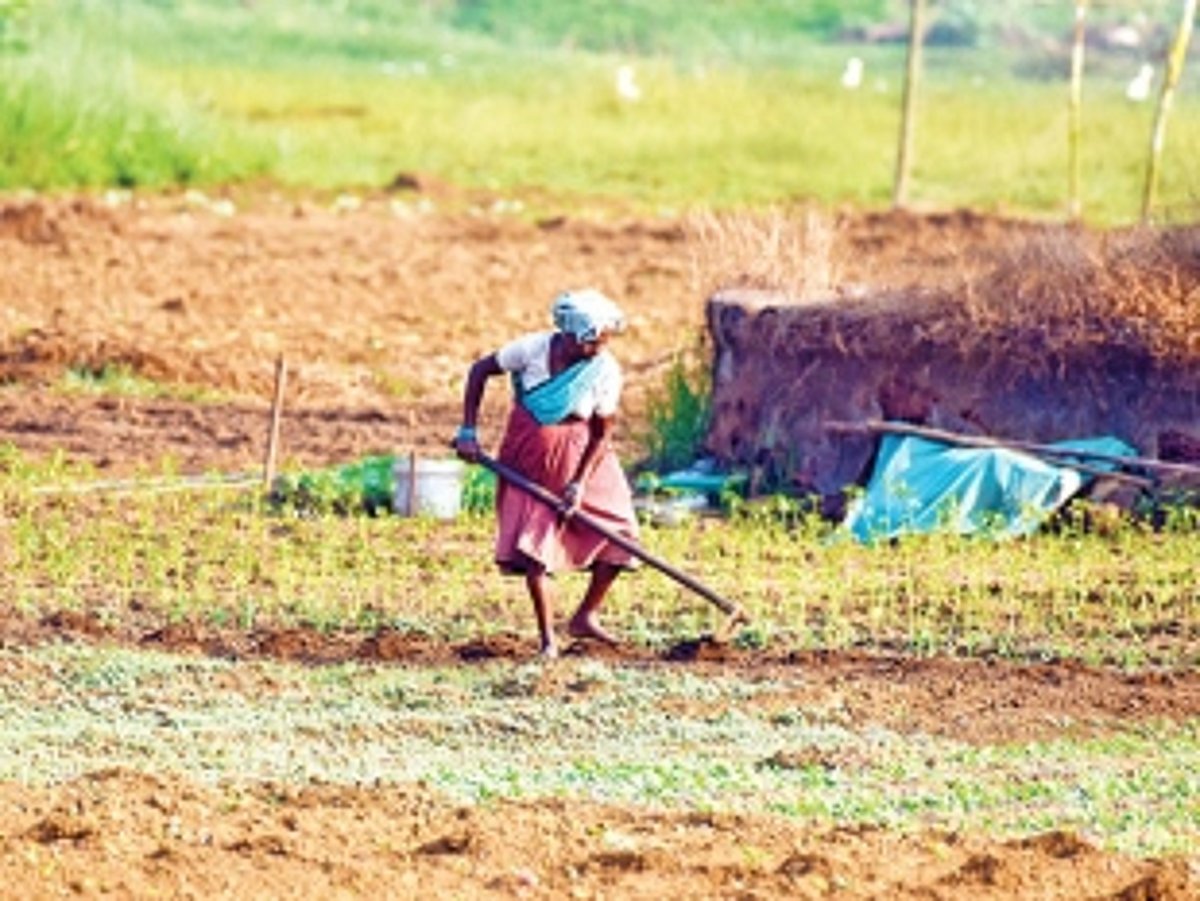
Of homes & hearts: The universal migrant story
In Covid-19 times the desperation of migrant workers to return to their homes has sparked emotional and economical debates across the country. But what is it like to be a ‘migrant’? And what does it mean to go home whether for a short visit or permanently? Given that Goa is home to many families who have at least one member studying, working and/or living abroad as well as a sizeable number who have returned to their homeland, we spoke yo thrm about himes & homecomings