Every year, blood transfusions play a
vital role in saving and improving countless lives. For some patients, regular
transfusions become a lifelong necessity. Undoubtedly, blood is the most
invaluable gift one can give to another. Donating blood has the potential to
save not just one life, but several lives when it is separated into its
essential components: red cells, platelets, and plasma. World Blood Donor Day,
first observed in 2004 is celebrated annually on June 14. This year, the slogan
of the campaign is, ‘Give blood, give plasma, share life, share often’. It
highlights the importance of regular blood and plasma donations in establishing
a reliable and sustainable supply of these life-saving resources worldwide.
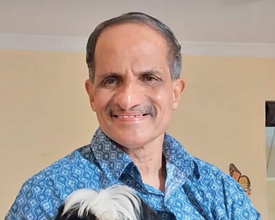
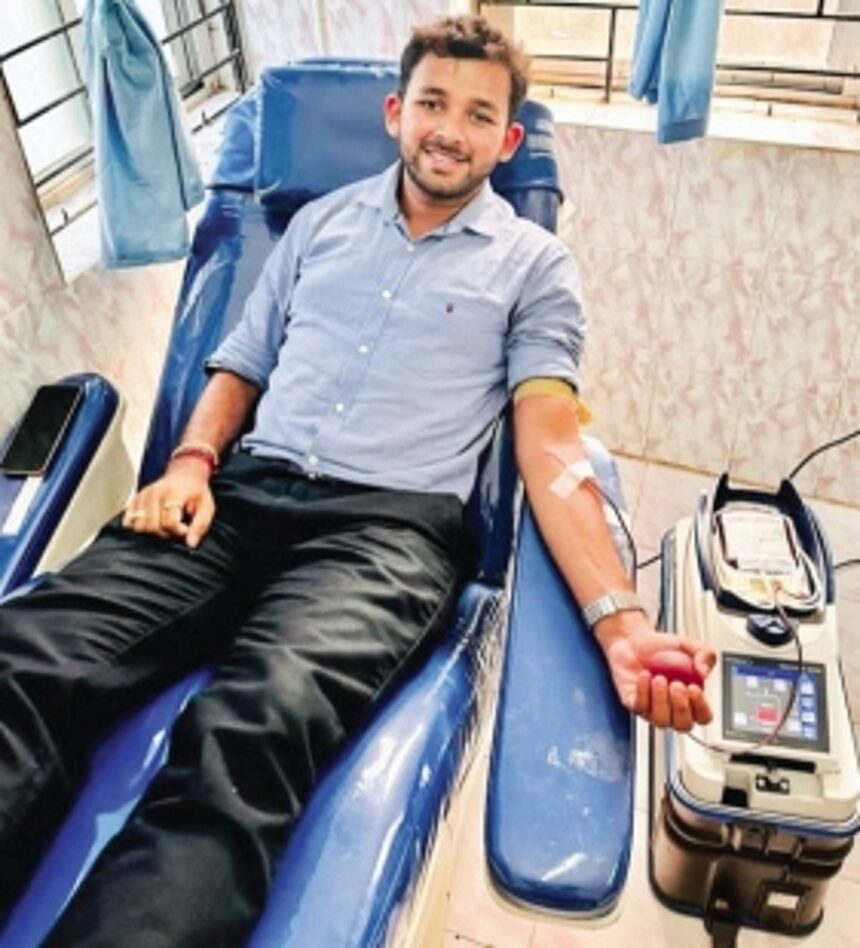
Pranav Parrikar, a dedicated social
worker from Mapusa, has been actively donating blood every three months since
he turned 18. He quotes his professor, Kiran Kerkar, who inspired him to take
on this endeavour saying, “There is no greater donation than blood donation
because it doesn’t cost you anything, it will save someone’s life as well as
cleanse your body.” Pranav is also a plasma and platelet donor. When the need
arose during the Covid-19 pandemic, guided by the doctors in GMC, he began
donating these components as well.
All those who have previously
contracted the virus and have recovered can donate plasma and help somebody
else battling with the virus recover. He explains that the same machine that’s
used to extract plasma is used to extract platelets and it is a painless
process. Platelets are essential for those undergoing major surgeries, cancer
patients and others who have heavy blood loss. He delightedly mentions that on
June 22, it will be his 50th donation in total including blood, platelets and
plasma. He has helped gather around 150 donors during the pandemic to donate
plasma and has transformed his personal number into a blood donation helpline
and is always available to respond to any queries and to arrange for donors if
he is unable to do so at the moment.
Pranav highlights that unlike certain
states where blood and its components are charged, in Goa, giving and receiving
blood is free. He recounts an incident where a patient from Mumbai who had come
to Goa was in urgent need of blood and so Pranav helped the family arrange for
a donor. “They weren’t very financially stable, so after the donation when they
were told that they weren’t going to be charged for it, the family was in tears
and had nothing but gratitude and blessings for us, which I feel is the best thing
that I, as a donor could receive and that keeps me going,” he informs.
The I-Help Foundation Goa is a
thriving NGO organises blood donation camps every 45 days, according to the
requirements of blood banks in Goa. The motive behind starting these blood
camps was to address the shortage of blood during emergencies. Divyanshu, an
active member of the organisation states that blood donation is a supreme
service to humanity as it saves precious lives. Daily accidents occur, and
sometimes lives are lost due to a lack of blood. Although most cities have
blood banks, it can be challenging to find the right blood type in emergencies.
This often leads to the patient’s loved ones frantically searching for donors.
To tackle this issue, I-Help Foundation established the ‘I-Help Blood Donors
Club,’ a social networking group that helps connect people in need of blood
across Goa. Divyanshu states that the response from the people, including
female donors, has been excellent, with an average of 50-100 donors participating
in each camp. When someone needs blood, they can reach out to them through
WhatsApp groups or direct messages on their social media platforms. People from
any part of Goa can avail themselves of these facilities at any time.
“As a young person, I believe that
our blood is generally healthier, with higher platelet and other blood
component levels. We also have a greater capacity to regenerate new blood in
our bodies at a faster rate. However, I feel that our blood is becoming
increasingly contaminated due to various factors like junk food, lack of
exercise, alcohol and other drug consumption. Therefore, as young people, we
should contribute more towards this cause, ensuring that people have healthy
blood in their bodies,” he claims.
Another inspiring story revolves
around the prolific individuals behind the popular social media page known as
‘Blood Donor’s Gang.’ The journey began in 2012 when Vibhav Naik, a student at
Dhempe College in Miramar, Panjim, created a Facebook account with the
intention of building a database of known individuals. The response was
remarkable, and the initiative soon expanded, attracting a broader audience.
“However, a few years down the line, due to increasing work commitments, I
found myself unable to devote as much time to managing and administering the
page, as well as handling the continuous influx of requests. So I then
entrusted the admin rights to other dedicated youngsters who efficiently and
actively manage the page today,” he mentioned.
Samrat Naik, one of the current admins,
has been a proud blood donor since 2012. In 2016, Samrat became a member of the
Blood Donors Gang Facebook page through a friend’s recommendation and took the
initiative to create a WhatsApp group. Samrat’s motivation stems from a
personal experience from when he was just 14 years old. His father required
blood transfusions. Witnessing the challenges faced by his family in arranging
donors, he vowed to prevent others from undergoing similar difficulties. He
strives to donate and facilitate blood donors to ensure that no family faces
the same predicament. The positive impact of their blood donations resonates in
the successful operations, reuniting of loved ones, and the establishment of
connections among donors.
Samrat hopes that eligible Goans
should come forward and join their cause. Despite having approximately 335
registered donors, only around 100 actively participate. He emphasizes the
importance of donating blood to prevent surgeries from being postponed due to a
shortage of donors. Samrat’s fervent appeal seeks to encourage more individuals
to contribute to this noble cause, ensuring the availability of blood for those
in urgent need.
Jayden Pais, a resident of Mapusa,
has recently initiated his journey as a blood donor. When asked about his motivation,
he shares, “Inspiration can arise from various sources and for me, it came from
my mom, who is a regular blood donor. As a child, I remember she was able to
save a relative’s life because of her donor card, and that’s when I decided
that once I became eligible, I would do it too.”
Jayden advises other aspiring donors
to start their donation day with a healthy and nourishing breakfast.
Additionally, it is crucial to have a good night’s sleep and abstain from
consuming alcohol for at least 48-72 hours prior to the donation. Following the
donation, it is advisable to refrain from engaging in strenuous activities as
fatigue is natural due to blood loss.
Several misconceptions surrounding
blood donations often deter potential donors from stepping forward. Jayden
clarifies that the misconception regarding blood donation and tattoos is
partially incorrect. After getting a tattoo, there is a waiting period of
approximately 8-12 months before becoming eligible to donate blood. This
waiting period is similar to that required after receiving anti-rabies shots.
Thus, individuals who intend to donate blood and also get a tattoo should plan
their timing accordingly.
Sunil Jadeja, from Porvorim, who has
been regularly donating blood for the past 10 years emphasizes that donating
blood does not lead to sickness, weakness, or disruption of daily fitness
routines. He also clarifies that the donation process is not painful, unlike
what many believe. Another common misconception is that people with common
blood groups need not donate, but this couldn’t be further from the truth. In
Goa alone, the annual requirement for blood is 25,000 units, which often
remains unfulfilled.
Pranav Parrikar further explains that
once blood is donated, the body replenishes its blood volume (plasma) within 48
hours, and platelets are restored within a week or two. Importantly, he
emphasizes that blood donation does not cause harm to the donor. On the
contrary, it offers potential health benefits, such as a reduced risk of heart
attack and cancer.