“If Music be
the food of love, play on”, said Shakespeare. But original music, without argument, is the real
elixir. On world Music Day, if we pause and look back at original English songs
emerging from Goa, in the recent past, one can only think of Remo Fernandes.
However an effort seems to be on with a few songwriters experimenting and
signing their own numbers like Varun Carvalho. But original music doesn’t
define Goa’s music landscape
All the bands and solo artistes in the state that entertain
guests at weddings and corporate events sing songs that have been performed by
international artistes. None of them sing compositions created by them. This is
in sharp contrast to musicians in other cities like Mumbai, who perform their
own compositions. Is it an absence of creativity on their part or lack of
motivation to come up with their compositions? The explanations given are quite
interesting.
Musician Colin D’Cruz, who has lived a great deal of his life in
Mumbai, performing in various bands playing different genre of music, has much
to say about this trend. Colin says, “Goa is a dance music destination with
people coming here from all over the country and the world. They want to listen
to music they listen to at home and are not interested in listening to anything
new or outside their comfort zone. Families in Goa, when they go for weddings,
want to dance to music they grew up listening to and will not want anything
new. There is a very niche audience that is open to experimental sounds.”
There are musicians, he says, who play in bands but also do
their own work on the side. Many of their original compositions are being
uploaded on jazzgoa.com, which is followed by jazz enthusiasts in countries
like Brazil, Portugal, etc. He says that it is possible in jazz to take
standards and make it one’s own by interpreting it differently. Not everyone
follows the tried and tested method.
Varun Carvalho has
been doing his own thing for a while now. He says, “I find it baffling that musicians do covers. No one is expressing
themselves. It is the general music culture here, which is very sad. We are
focussed from the start with playing our own music. We are also trying to
spread this around the state. We recently conducted a workshop with 600 kids
and we initiated them in the process of writing music.” He bemoans the fact
that many of the musicians are just not interested in taking that first step.
Varun and his associates had recently organised three musical festivals where
musicians came and played their own compositions. He adds with sadness that it
is possible to even make covers one’s own by adding that special touch but that
motivation is absent.
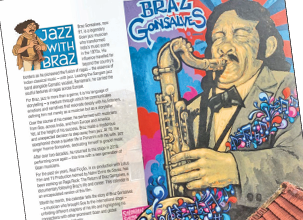
Armando Gonsalves, who has done much to promote jazz, says it is
all about economics. He says, “It is easy money singing covers at weddings and
at corporate events. It is not easy singing original compositions in such a
market. I know very talented musicians who prefer to stick to compositions.
They are making good money. I don’t see this changing very soon. Many of these
musicians are invited to sing abroad like a Goan night in London or in Bahrain.
The market for covers exists and is big, so they are working the market.”
Fernando Monte Da Silva, food blogger and musician, is
categorical when he says that the monies involved are not to be sneezed at. The
audience wants covers and they want to dance to music they know and understand.
Tourists want to come for parties and sing along. Fernando says that there are
niche events for those who want to listen to jazz or other experimental styles
but it is a small audience. “Even the Sri Lankan band that was touring Goa had
to sing covers despite having an album of originals. Some musicians in bands
release their own material apart from playing covers. The bassist of A 26
recently did this,” he states. He ends by saying that one cannot say there is
no audience for originals but the audience is too small and restaurants are not
willing to sustain such initiatives by musicians.
Perhaps sadly that will remain the state of affairs in Goa with
some musicians preferring to do work on the side and fulfil their creative
aspirations.
On World Music day, this isn’t music to one’s ears.