Herald Café: What
is pancreas and what is its function?
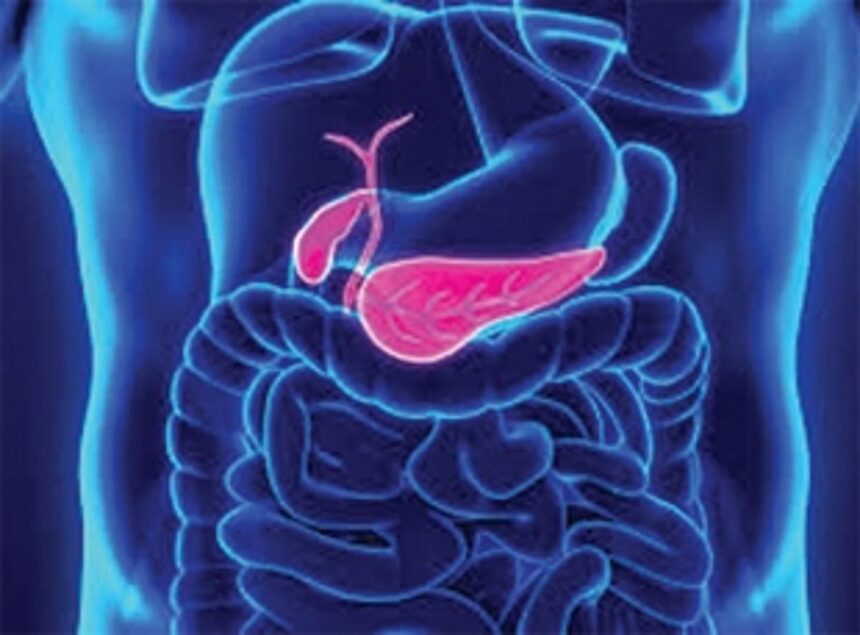
Dr Rahul Kakodkar : The pancreas is an organ of human body located in the abdomen
just in front of the spine. Its function is primarily to secrete a pancreatic
juice that contains digestive enzymes to break down carbohydrates, fats and
proteins from our diet so that they can be absorbed by the body. It also
contains special cells that produce different hormones prominent among them
being insulin and glucagon which are responsible for maintaining blood glucose
levels and avoiding both too low and too high levels.
Herald Café: How
common is pancreatic cancer?
Dr R K: Worldwide
pancreatic cancer is the 10th commonest cancer detected and the 4th most common
cause of cancer related deaths. However in India, pancreatic cancer is the 15th
commonest cancer and 8th most common cause of cancer related death. ICMR data
reports an incidence of 0.2-2 per 1 lakh per year. Due to better detection
facilities and reporting there is a progressive rise in reported incidence of
pancreatic cancer with 65% rise is decade from 2006-2016, as compared to the
preceding decade.
Herald Café: What
are the symptoms of pancreatic cancer?
Dr R K: Symptoms
of pancreatic cancer can be non-specific or specific to the location of the
mass in the pancreas. Common symptoms are weakness, loss of appetite, weight
loss and indigestion. Some patients may present with recent diabetes or
increased insulin requirements. Cancer in pancreatic head (65% of all
pancreatic cancers) can cause jaundice due to compression or invasion of bile
duct located close-by or recurrent vomitting due to blockage of flow of
contents from stomach into the small intestine (gastric outlet obstruction).
Cancers in body or tail of pancreas can present with severe back pain due to
infiltration of the nerves in retroperitoneum. More advanced tumours can
present with blededing from veins in the stomach or from the tumour itself,
accumulation of fluid in the belly or generalised debility.
Herald Café: What
are the risk factors for developing pancreatic cancer?
Dr R K: There
are a variety of risk factors that are associated with increased incidence of
pancreatic cancer, however exact cause has not yet been proven. Chronic
pancreatitis, hereditary pancreatitis and some hereditary chromosomal or gene
abnormalities are associated with a higher incidence. Obesity, alcoholism as
well as chemical and toxin exposure have also been implicated.
Herald Café: How
is pancreatic cancer diagnosed?
Dr R K: Pancreatic
cancer is diagnosed by a combination of clinical examination, blood tests and
radiological tests. Elevation of a tumour marker in blood called CA19-9 raises
suspicions in symptomatic patients and can be 75% accurate.
Radiological studies
like Ultrasound, CT scan or MRI are very useful in detection as well as staging
of pancreatic cancer. Ultrasound however has a lower accuracy of about 50% for
masses less than 2cm in size. The best available modality currently with 85-90
% accuracy is a contrast enhanced CT scan performed with thin axial slices
(1-1.5mm). Endoscopic ultrasound is a more invasive modality and also equally
good for detecting the mass in pancreas and taking a biopsy but unhelpful in
staging. FDG-PET can scan the whole body for cancer and help to know extent of
involvement in patients with pancreatic cancer and help in treatment planning.
Biopsy of mass is the
only 100% accurate modailty to confirm pancreatic cancer but it is not
mandatory in all patients if the radiological findings are characteristic.
Herald Café: What
are the treatment options for pancreatic cancer?
Dr R K: Treatment
options for pancreatic cancer are surgery, chemotherapy/targeted therapy,
radiotherapy or immunotherapy. These modalities can also be combined for better
results in some patients
Herald Café: Can
pancreatic cancer be cured?
Dr R K: Yes,
pancreatic cancer definitely can be cured if detected before it has spread or
advanced. However only 15- 20% can be treated with curative intent when
detected.
Herald Café: If
surgery is not possible, what are the options?
Dr R K: Complete
surgical removal,if possible, is associated with nearly 40% patients surviving
on average 5 years after surgery. Without prospect of complete surgical
removal, cure is currently not achievable. If surgery is not possible because
of large tumour that has not spread, chemotherapy and/or radiotherapy can help
shrink it and still allow complete surgical removal in about 25%-40% patients.
In
those who do not respond, curative intent is abandoned in favour of palliation
of severe symptoms like jaundice by endiscopic/ percutaneous bile duct stenting
or surgical bypass, gastric outlet obstruction through endoscopic stenting or
surgical bypass and pain through nerve blocks. Some patients have shown
improved survival using immunotherapy. If cancer has spread to other organs
alas only palliative care is the option to keep the patient comfortable and
lifespan is very limited.