Herald Café: What causes dengue and how does it
spread?
Dr Chitralekha Nayak: Dengue fever is caused by a virus,
which is spread through the bite of an infected female Aedes mosquito. The
mosquito transmits the disease by biting an infected person and then biting
someone else.
HC: Where does Aedes mosquito breed?
Dr CN: It breeds in clean water. Aedes mosquito
breeds almost entirely in domestic manmade water reservoirs found in and around
households, construction sites and factories. Overhead tanks, groundwater
storage tanks, unused tyres and flower pots, coconut shells are among the most
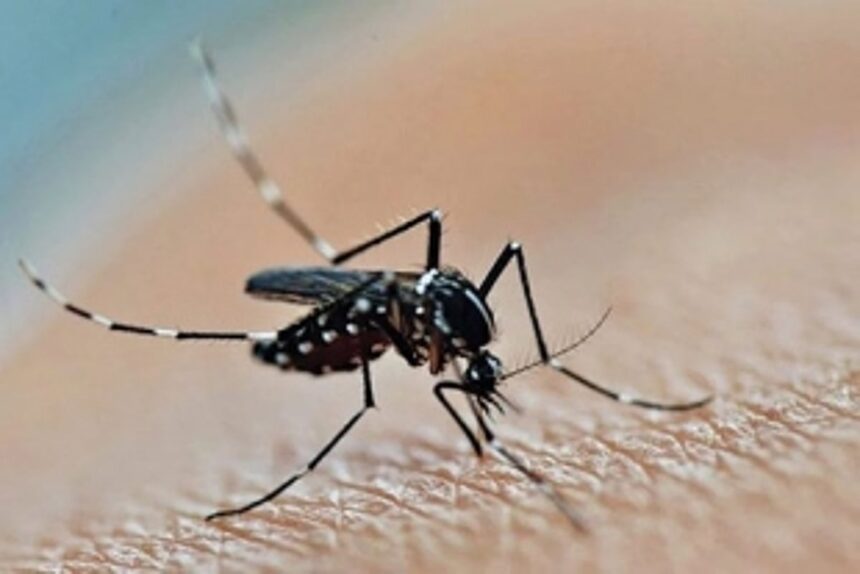
common domestic breeding sites. This mosquito has a peculiar white spotted body
and legs and is easy to recognise.
HC: When should I suspect Dengue?
Dr CN: Dengue should be suspected if you have a
sudden onset of high grade fever, which could reach 39–40°C (103–105°F). It is
accompanied by severe headache (mostly in the forehead), pain behind the eyes,
body aches and muscle pains, skin rash and nausea or vomiting. The rash usually
appears on the hands, arms, legs and feet 3 to 4 days after the fever begins.
Minor bleeding problems can also occur. The symptoms usually go away completely
within 1 to 2 weeks.
HC: In what way is dengue different from other
causes of fever?
Dr CN: The characteristics of dengue that distinguish
it from other causes of fever are the pain behind the eyes, severe muscle,
joint and back pain, and skin rashes. The severe joint pain caused by dengue is
why it is also called ‘break-bone fever’.
HC: Is dengue always life threatening?
Dr CN: No. Most of the dengue patients recover within
1 to 2 weeks. Occasionally, the patient suffering from dengue may develop
complications such as bleeding and low blood pressure and may require hospitalisation
and intensive treatment.
HC: What are severe forms of Dengue?
Dr CN: Severe dengue can present in 2 forms: Dengue Haemorrhagic
Fever and Dengue Shock Syndrome. The infection can become dangerous when it
damages the blood vessels causing leakage of blood fluid (plasma) into various
organs. It also causes low platelet count and thus can cause bleeding.
Platelets are cells in the blood that help to stop bleeding. In Dengue Haemorrhagic
Fever, patient presents with various forms of bleeding. Patient may have
bleeding from nose, skin, vomitus, stools, and injection sites. In rare
instances, they may develop low blood pressure (shock) or insufficient blood
circulation in the form of cold and clammy skin and restlessness which is
called Dengue Shock Syndrome. In both these severe forms, patient’s platelet
count is less than 1 lakh/mm3 and they have signs fluid leakage into lungs and
abdomen. Patients also can develop reduced urine output and liver dysfunction
due to dengue.
HC: Which tests should I do to confirm Dengue?
Dr CN: Apart from the clinical features, there are
laboratory tests which can confirm dengue infection. The tests include antigen
detection test (dengue NS1 antigen) which is the earliest to become positive,
and antibody detection tests (IgM dengue) which become positive after day 5 of
the illness. The patient suffering from dengue should always do complete blood
count to see for drop in platelet count. It is required to frequently monitor
the platelet count when a patient is diagnosed of dengue.
HC: I got Dengue 4 years ago. Can I get it
again?
Dr CN: Yes. It is possible to get dengue more than
once. There are four major types of dengue viruses. Having dengue fever with
one type of dengue virus will not protect you from the other three types.
Subsequent infections with different serotypes increase the risk of severe
complications.
HC: Which medicines cure dengue?
Dr CN: Like most viral diseases, there is no specific
cure for dengue fever. Most patients with dengue fever can be treated at home.
They should take rest, drink plenty of fluids and maintain a nutritious diet.
Whenever available, oral hydration solution (ORS) should be taken. Sufficient
fluid intake is very important, and becomes critical if the fever progresses
into dengue haemorrhagic fever, where loss of body fluid/blood is the most
salient feature. Intravenous fluid may be required if the patient is vomiting
persistently or refusing to feed. Dengue fever requires frequent monitoring by
doctor to assess for complications.
HC: Are antibiotics useful?
Dr CN: Antibiotics do not help in dengue as it is a
viral illness and not bacterial infection.
HC: Which pain killers can I take for body ache
in dengue?
Dr CN: Paracetamol is the drug of choice to bring
down fever and joint pain. Please DO NOT TAKE PAIN KILLERS other than
paracetamol. Other painkillers such as aspirin and ibuprofen, diclofenac should
be avoided since they can increase the risk of bleeding.
HC: I have heard about papaya leaves; do they
work?
Dr CN: Studies have shown that papaya leaves increase
the platelet count and have anti-malarial properties, making it a good home
remedy to fight against dengue fever. Papaya leaves are found to contain strong
antioxidants which enhance body’s immunity.
HC: Which is the most dangerous period in
Dengue?
Dr CN: Generally complications like bleeding and
shock occurs after 3–5 days of fever. At this time, the fever has often come
down, leading many to believe that the patient is heading towards recovery. In
fact, this is the most dangerous period, which requires high vigilance from
doctors.
HC: What are danger signs in dengue?
Dr CN: The danger signs and symptoms that should be
looked for are: severe pain in the abdomen, persistent vomiting, bleeding in
the skin (appearing as small red spots), nose bleeds, bleeding from gums,
passage of black tarry stools and low blood pressure.
HC: When do I rush to the hospital?
Dr CN: Go immediately to a hospital whenever the
first two signs – severe abdominal pain and persistent vomiting – are detected.
Any person who has dengue fever with low platelet count and bleeding needs to
be hospitalised. These patients require frequent monitoring of their platelet
counts. In low platelet count, the patient should be given fluids intravenously
and amount of required fluids warrants monitoring by doctors.
HC: Is there a vaccine to prevent dengue fever?
Dr CN: Vaccines to prevent dengue fever are under
trial. None are available in the market.
HC: How can I prevent myself from getting dengue?
Dr CN: Protect yourself from mosquito bites. Aedes
mosquitoes bite during the day, and the highest biting intensity is about 2
hours after sunrise and before sunset. To avoid being bitten, use mosquito
repellents, mosquito coils and mosquito nets. To prevent the mosquitoes from
multiplying; remove all objects containing stagnant water from the house.
Collect and destroy discarded containers in which water collects, such as
bottles, plastic bags, tins and used tyres.
HC: Are there any long-term ill effects of
dengue fever?
Dr CN: No. Most people who suffer from dengue fever
recover in one or two weeks. Tiredness may remain for few weeks.
HC: Can people die from dengue fever?
Dr CN: People who suffer from dengue fever have no
risk of death – but they may develop dengue haemorrhagic fever or dengue shock
syndrome. Death can occur in some of these cases if they are not treated in
time. With proper, timely treatment, patients can recover fully.
HC: Do pregnant women or breastfeeding mothers
need to take extra precautions?
Dr CN: It is possible for a pregnant woman who is
infected with dengue to infect her unborn baby or her newborn baby at birth.
Pregnant mothers should receive proper medical attention if infected with the
dengue virus. The risk of a mother passing the virus to her newborn through
breast milk is considered low, and the health benefits of breastfeeding are
much greater than the likelihood of spreading disease.
HC: My brother has developed dengue. Do I need
to isolate him?
Dr CN: No. Dengue is not contagious. It does not
spread directly from person-to-person through physical contact. It only spreads
through the bite of an infected Aedes mosquito.
HC: I have got dengue. My platelet count is 60,000cells/mm3.
Do I need platelet transfusion?
Dr CN: Transfusion is not required unless platelet
count is less than 10,000 or there are bleeding manifestations. Sufficient
fluid intake is the mainstay in increasing your platelet count.
HC: Are there any diet restrictions in dengue?
Dr CN: No specific diet is necessary for patients
with dengue fever. Eat freshly prepared cooked food, fruits and vegetables.
Don’t forget the fluids as it is the key to keep the body hydrated in fever.