Elder abuse is a pressing social issue that affects millions of older adults globally. Despite its prevalence, it remains under-recognized and under-reported, making awareness crucial for prevention and intervention. Elder abuse may be defined as any form of mistreatment that results in harm or loss to an older person. It can occur in various settings, including one’s home, long-term care facilities and in the community. The abuse may be physical, emotional and financial or involve neglect.
Physical abuse involves the infliction of pain or injury through actions such as hitting, slapping, or restraining. Emotional abuse encompasses psychological harm through verbal assaults, threats, harassment, or isolation. Financial abuse refers to the illegal or unauthorized use of an elder’s funds, property, or assets. Neglect is the failure to meet the basic requirements of the elderly which may include food, shelter, health care, and protection.
“We, in Goa, have lots of old people who suffer in their homes. Their children are based abroad and because of this, the elderly have to deal with a lot of difficulties. When elderly individuals suffer at home, it presents a unique set of challenges. Elderly individuals, living alone or far from family, experience loneliness and social isolation, which causes a negative impact on their mental and emotional well-being. Elderly people at home often deal with chronic conditions that require ongoing management and can lead to significant discomfort and pain. Conditions like dementia and Alzheimer’s disease cause confusion, memory loss and difficulty performing daily tasks, thus increasing the need for supervision and support. Many older adults have reduced mobility, which can lead to complications such as falls, bedsores and muscle weakening. These people have lots of medicine to take which sometimes leads to missed doses or an error in taking the right medication. We need to take care of the elderly, as when they were capable, they took care of us,” says Ashyl Pereira, a nurse from Navelim.
Elder abuse is a global issue, with varying prevalence across different regions. Studies estimate that around one in six older adults experience some form of abuse. Risk factors include social isolation, cognitive impairments such as dementia and dependency on caregivers. Perpetrators are often family members, particularly adult children or spouses, but can also include caregivers and other trusted individuals.
“The main problem faced by seniors is the feeling of loneliness. Most are either widows or widowers. Seniors are left alone to fend for themselves. It’s a pity that they have everything except their loved ones to spend the rest of their life with. There are cases where the in-laws ill-treat the seniors. Some are not financially sound and are dependent on associations of the church for help. Many are not so well educated and feel unwanted in the society. Association of Senior Citizens of Taleigao along with parish priest, Fr Cipriano Da Silva have activities every month like a pilgrimage to any church in Goa, summer breeze games, picnic once a year, pond party, annual anniversary celebration, Christmas party, Seniors Have Talent Show and others. We have a celebration on their birthdays. Each one brings something or the other with him or her, and we share the same among all. This gives them a feeling of belongingness and love”, says Albertina Viegas, a member of the association of the Senior Citizens of Taleigao.
Recognizing elder abuse is critical for timely intervention. Some common signs include unexplained bruises, cuts, burns, or fractures, withdrawal, depression, anxiety or fearfulness around certain individuals, sudden changes in financial situation, missing belongings etc. Several factors contribute to the under-reporting of elder abuse. Victims may fear retaliation, be dependent on the abuser, or lack awareness of available resources. Additionally, social stigma and cultural norms can constrain open discussions about abuse.
“As it is, when children leave their home, the older adults (parents/grandparents) go through empty nest syndrome. This means they, in a way, grieve the going away of their kids. Secondly, they may feel lonely, unattended to and this can cause significant mental distress that may also contribute to other health problems. When elders are abandoned in their homes or homes for the aged, they do face a great deal of sorrow, neglect and it may even lead to early death or illness in some cases.” says, Leann OA Mesquita, a Margao-based psychotherapist.
Raising awareness about elder abuse is a critical step toward protecting vulnerable older adults and ensuring their well-being. Education and training for healthcare professionals, caregivers and the public, can help them recognize and respond to signs of elder abuse. Strengthening laws to protect older adults and ensuring robust reporting mechanisms and support services are essential. Establishing support groups and community programs can reduce isolation and provide resources for elders and their caregivers. Utilizing media and public campaigns can raise awareness and encourage reporting of elder abuse.
If elder abuse is suspected, it is important to report it to local authorities, adult protective services, or a trusted healthcare provider. Keeping records of any signs or incidents of abuse is crucial. Offering emotional support and assistance to the elder in accessing services and legal help is vital. In cases of immediate danger, ensuring the elder’s safety by contacting emergency services is necessary.
The Maintenance and Welfare of Parents and Senior Citizens Act-2007 sets the rules the government should follow for the wellbeing of the elderly. “As we have been receiving many complaints from senior citizens, we have decided to launch a campaign. GOACAN through its volunteers are launching a special campaign on June 15, titled ‘Seniors CAN’. This campaign will work to promote and protect the Civic & Consumer Rights of Senior Citizens in Goa”, says Roland Martins, coordinator of GOACAN and member of Goa State Consumer Protection Council.
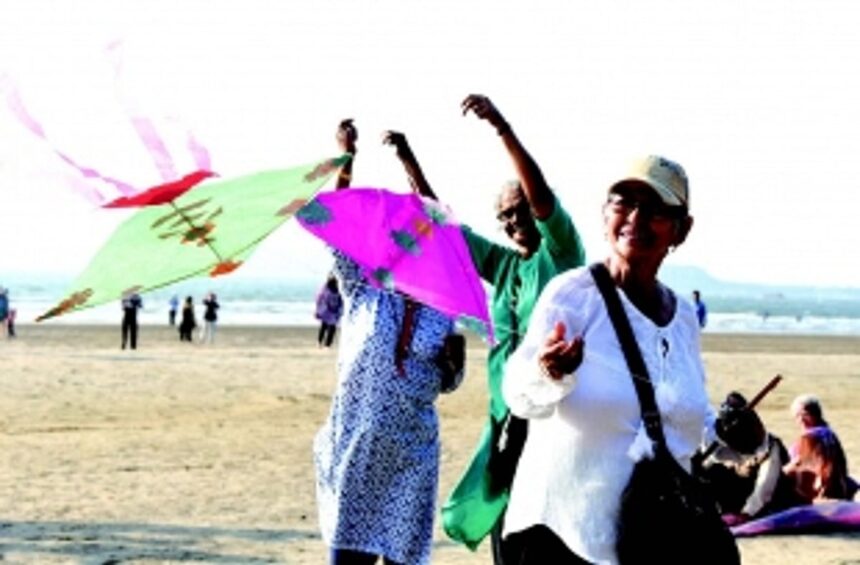
Help & Help Charitable Trust, a non-profit organization in Goa provides material, moral and monetary support to institutions serving the needy, irrespective of their religious or ethnic status. “Regarding the elderly, in the last 20 years, we have learnt that most people think that the elderly need food, clothing, provisions, money etc. But what we at Help & Help have realized is that more important than these things, is for us to give them our precious time. We try to do this by visiting them often, organizing entertainment in their institutions or taking them outdoors. We also encourage them to engage in physical activities as well as take part in music competitions. This we feel gives them the greatest joy which nothing else can provide”, says Savio Fernandes, managing trustee of Help & Help Charitable Trust, Margao.
World Elder Abuse Awareness Day is a pivotal opportunity to shed light on the often-hidden issue of elder abuse. By increasing awareness and promoting proactive measures, one can help create a society that respects and protects its older members. Everyone has a role to play in ensuring the dignity and safety of our elders, and it begins with awareness. Increased awareness and proactive measures can significantly reduce the incidence of elder abuse, fostering a society where older adults are treated with the dignity and respect they deserve.