‘Naagpanchami’ (‘nag’, meaning ‘snake’ and ‘panchami’, meaning ‘fifth day’) is a
unique festival celebrated in the lunar month of Shravan, with prayers and
offerings made to snakes and/or snake idols and the seeking of blessings and
protection. Celebrated during the monsoons, a season that sees a lot of serpent
activity, this festival is rooted in nature and mythology.
Snakes occupy a very prominent place in Hindu mythology. Lord
Shiva, to whom this entire month is dedicated, wears a snake around his neck,
marking the importance of this creature. There are a number of myths and
stories as to why people celebrate Naagpanchami. The most popular one tells the
story of a deadly snake named Kaliya, who wreaked havoc in the river Yamuna by
poisoning it. Lord Krishna, as a child, overpowered him and took a promise from
him that he would henceforth not trouble the villagers. In return, he blessed
him that on Panchami day, whoever offers milk and prayers to the snakes will be
rid of their woes.
Across Goa, the festival is celebrated with the same belief, but
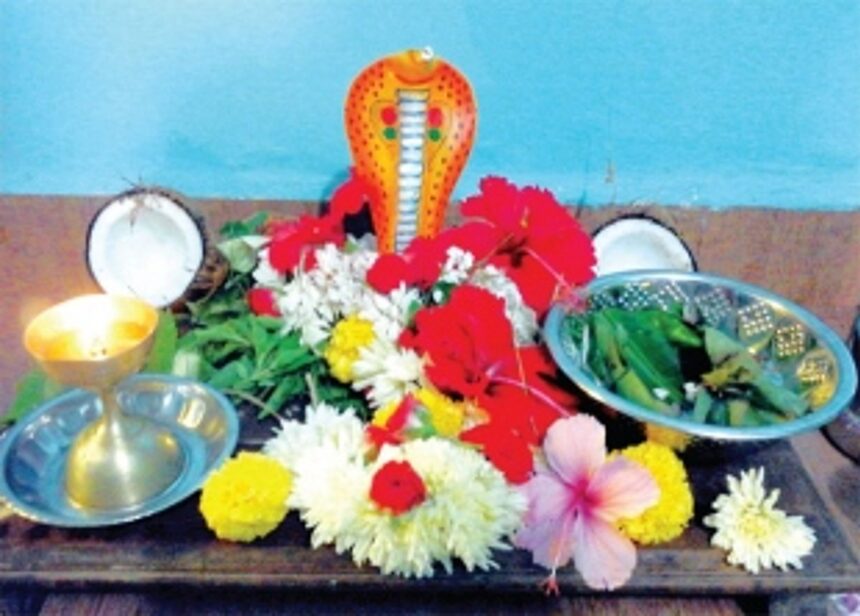
in many different and unique ways. Some bring home the idol of the cobra made
of clay, which is worshipped with lots of flowers and leaves. ‘Lhaayo’ (popped
rice) and milk are then offered to it. The women of the household fast on this
day and the food cooked is simple, usually boiled and devoid of oil and
flavouring. People abstain from frying or roasting. In Goa, a special sweet
known as ‘patoleo’ is made. Rice paste is filled with a mixture of grated
coconut and jaggery, wrapped in turmeric leaves and steamed. After the ‘puja’,
the idol is kept in the garden.
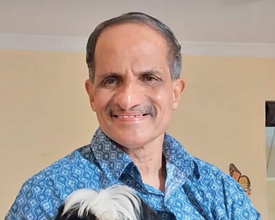
Jeevan Naik from Ribander says, “We bring home a clay idol to
observe Naagpanchami. This is a ritual that has been carried forward over many
generations in our family and we dutifully follow.”
Not everyone installs the snake idol at home. Those who do not
do so, usually visit their neighbours who have the Naag idol and complete the
offering. Some visit Lord Shiva’s temple, Naagdevta temple or any other temple
where there is snake idol kept for worship. ‘Aarti’ without the use of wind
instruments is also performed. “On Naagpanchami, we follow a strict vegetarian
diet, without onion or garlic. But we don’t bring home a snake idol. It was
never done by our ancestors and we have never questioned our parents about it,”
says Suvarsha Vengurlekar from Sao Pedro.
There are some families in North Goa that do not worship idols
made from clay. Instead, the make their own idol out of flour. Others make
their snake idols out of gold or ‘panchdhaatu’ (five metals) and worship the
same every year. Since anthills are a common abode of snakes, when one cannot
find a temple to worship ‘naagdevta’, milk is sometimes offered next to an
anthill.
Apart
from practices followed, there are certain activities that are avoided on
Naagpanchami; one of them is to refrain from plucking mushrooms, while another
is to not dig into the soil on this particular day. Even farmers don’t plough
their fields in the fear that they might hurt a snake unknowingly.