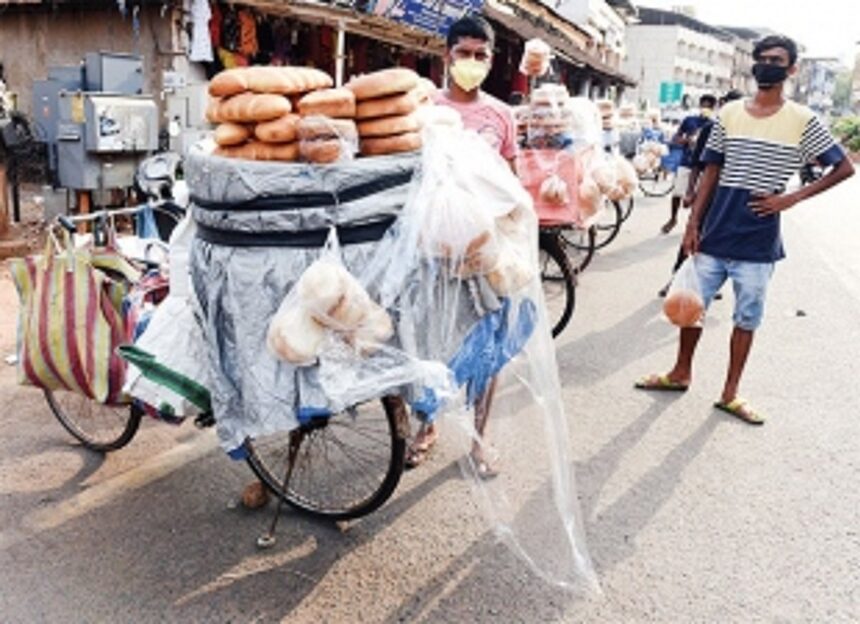
It is a constant at breakfast in many Goan households,
the ubiquitous pao. One can have it with tea or perhaps with butter and jam or
with a vegetable mix. It is also present on various occasions that dot the
family calendar. There are bakeries that specialise in making the pao and
several have a loyal clientele. However, in the recent past, there have been
instances of illegal bakeries operating out of small rooms coming to light.
This has corresponded with complaints in a drop in standards. Now in an attempt
to stamp this menace out the Food and Drugs Administration has asked the pao
sellers to get registered. This it is hoped will help eradicate the illegal bakeries
that have cropped up in various nooks and corners of the
state.
Jill Rodrigues a homemaker said it was a
very good move. She went on to say with the recent FDA coming
strongly with regards the baker’s registration it would be good since it would
now be possible to define between traditional bread makers and commercially
made bread. She said “In the recent past it has been noticed that pao sold at
sweet-mart shops are not the traditionally made paos, but the softer commercial
version of the same. So in a way, it will streamline and safeguard our
traditional Poders promising to give us quality and healthy fresh pao as
against the commercially made pao”
Milroy Goes may travel to Hollywood to meet with film
executives but at heart, he is a Goan who loves his pao. He felt it was a very
good decision and the certification would ensure that hygiene standards were
met. He said, “This will mean there will be checks which will mean they will
have to a ensure standards are met”.
Andre Shackleton a senior corporate consultant many
not eat bread every morning but when he eats it likes to have pao that is
genuine and meets the necessary standards. He said “Regulation is always a part
of governance and it ensures quality and consistency. It might not help the
enthusiastic and uninformed but it serves the greater good. As a consumer
myself, I want to feel secure that what I ingest, meets the basic minimum
standard”.
Another corporate executive Franz da Costa felt it was
a good move because it was known that hygiene levels were not great. He said
“In days gone by earthen drums were used and later electrical ovens were used.
Both of which were not very hygienic, I hope with this, things improve. The pao
is basic fare with people having two pieces of bread with some filling every
morning. I welcome the move and I hope it achieves what it sets out to do”.
Vaibhav Naik was more realistic when he said the move
was a good decision if it eradicated bakeries that did not maintain standards.
He said “You have to however realise that people don’t look at the interiors of
the bakery when they are buying the bread. Now however with the authorities
having initiated this move it will enter the consciousness of the people and
they will think of the conditions under which these paos are made.”
For Amey Chodhankar however it was a case of the
importance of supporting local bakeries because he strongly felt the illegal
bakeries were operated by people from outside. He said this was not a
phenomenon restricted to Goa only but also in Bengaluru where stores would take
on the names of famous local brands and pass off as a branch.
Abram DeMello who is a Portuguese national living here
who said, it was one of the things of Goa that kept him back. He said “It is so
unique to Goa and can’t be found anywhere else and I miss it. When I am here, I
have it every day. This move by the authorities will help protect a Goan
institution”.
One can only hope this move will help protect the
quality of the pao.