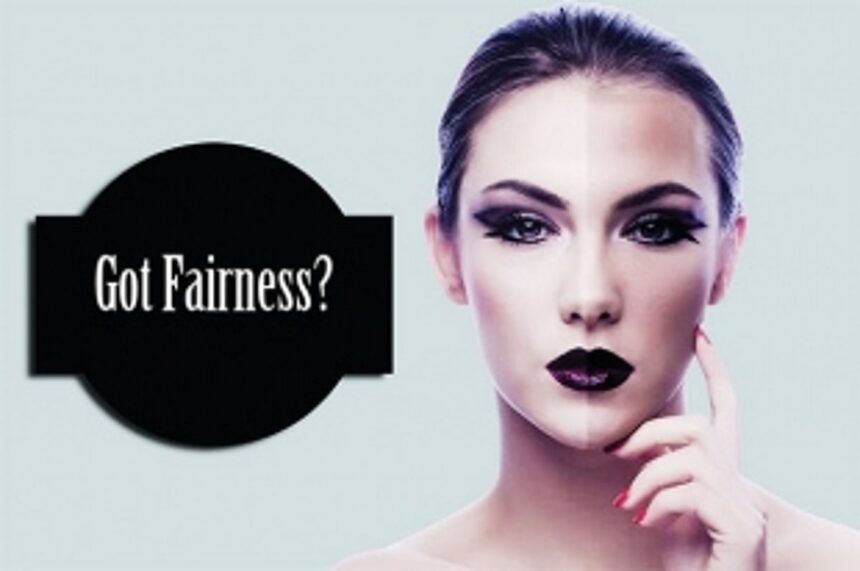
Was the decision fair? And will
these decisions be lovely? It took Hindustan Lever over a decade to realise
that their iconic “fair & lovely” cream which brands fairness as a
leitmotif of beauty needed a name change. And that change had to convey that
beauty had to be more than skin deep. This begs the question. Was the
move merely cosmetic, or a serious rethink on its positioning. Sapna Shahani a senior PR
professional felt it was fantastic that the company had decided to drop the
word “fair” from its brand name. She felt it was a long time coming. The
protests she felt had reached a critical mass and it was perhaps hurting their image.
She said “This is the age when you have to be responsive. People did not like
it when very influential celebrities promoted the brand without a care. The
celebrities could have exercised better judgment”.The bias against dark skin
she said was prevalent for centuries. This bias would coexist with class and
caste and it was there for everyone to see. She said “I remember as a child we
had a lady who would work in the house and she would rub her face very
aggressively with a sponge. Her face would be red and the skin would look sore.
She said she wanted to be fair. To be fair means to be of a higher class, to be
treated differently. Look at the media the models in advertisements are all
fair. This is a manifestation of our prejudices”. Anuradha Holst, one of the first in
Goa to respond to the market’s communication needs, felt this was drummed into
the psyche for years and was a form of prejudice towards anyone with darker
skin. The belief that fair skin was superior was visible around and it was creating
a lot of mess. The decision by the company to drop the word “Fair” from the
brand name, she felt, was a good move but it would not change much on the
ground. The feeling that white or fair was superior was embedded and it would
take a while. A man who was once involved in
chartering the course of major brands in the country had much to say. Vinay
Kanchan, Mumbai based brand storyteller and Innovation Catalyst said “My take
is that it was a bold decision, but perhaps one which was a long time coming. Racism
is a serious issue and is assuming larger proportions every day. The George
Floyd incident in the US, probably brought it back in the center of public
consciousness. ‘Fair & Lovely’ had been getting a lot of flak from
prominent media influencers about its brand name and also for a long time the
tonality of its communication, which used to imply that if you are dark you
have no chance. given a brand name like Fair & Lovely, even the intent of
not focusing on just skin deep beauty can easily get lost’ Kanchan
said that for years, communication has traumatized young women across India. It
stoked a deep-seated obsession with fairness, it is good that Unilever has taken this decision now.” Fair point but is that
enough? Oishorjyo, writer, theatre maker and feminist felt the
conversation had been completely hijacked by capitalist ‘wokeness’. She
said “It has (brand) ‘value’ these days, to be perceived as a brand with a
progressive value system. So sure, it’s a step in the direction, but unless
brands like Unilever are willing to reconsider everything from their hiring
policies, especially at high level positions, pay gaps, right down to basics
like whether there are sanitary pads stocked in the bathrooms, it feels like
another empty move, done to get some ‘woke points’ and social media applause”. Another woman with very clear
thoughts on the matter was Nupura Hautamaki felt it was good Unilever had
dropped the offensive bit though she felt being proactive instead of reactive
was always better, but brands world over, she felt rarely do that. For the much younger Kavita Patil,
journalist & restauranteur, the anger was obvious to see. She said “I don’t
understand how dropping ‘fair’ from fair and lovely makes them stand against
racism because the sole purpose of the product is to make the skin tone
lighter. If they really believe and want to fight racism then they should stop
manufacturing such products. You have to understand nothing has changed, the
product still remains a fairness cream”. What’s in a name they say? Well,
the makers of fair and lovely, felt the burden of “fair” and dropped it. But it
is unlikely that they will feel much lighter unless real policy changes come
about, and as some women like young Kavita Patil feel, they stop
making fairness creams altogether.
The fair choice: When society truly believes beauty is not skin deep
The decision by the multinational conglomerate Hindustan Unilever to drop the word “fair” from one of their most important brands but does it mean anything in a society which strongly believes that being fair means getting a heads up in life