After a gap of two years, the St Mathias Sports Club is
celebrating Bonderam with a new energy. The village is excited about the
festival and every evening, the music for the floats wafts through the island
as the Diwadkars practise their dance steps. Bonderam will be celebrated this
Saturday, August 20, with four wards putting up floats for the street float
parade.
Bonderam, a centuries old festival,
celebrated on the quaint island of Divar, epitomises the essence of the rich
cultural heritage. The festival has evolved from our ancestors through the Kadamba
dynasty to the Portuguese. The festival takes place in the month of August
during the monsoon and before Ganesha Chaturthi. The name Bonderam originates
from ‘Bandeira’ – the Portuguese word for flag. During the Portuguese rule,
there were frequent disputes between the villagers on Divar island over
property issues. To solve these disputes, the Portuguese introduced a system by
putting up flags to demarcate the boundaries.

A few months before the festival, the
otherwise serene island comes alive gradually. Each ward of the village starts
deciding their respective theme for their float, chooses a Konkani song to
match the theme, builds artistic object to represent the theme, choreograph
dance sequences and stitch costumes based on the theme. The float objects are
created to depict various cultural aspects of Goa such as food, music,
festivals, weddings, other older traditions, environment, etc.
The Malar Bonderam is more traditional and
tries to bring back the charm of the Carnival parades that used to take place
some decades back by focusing on showcasing Goa’s traditions and culture and
depicting the Goan way of life. The floats depict the life that is so diverse
and has the participation of Catholics, Hindus and Muslims from the four wards.
“The villagers of Malar want to show how people can maintain good relationships
in society regardless of religion, caste and class. We passionately believe
that everyone can live in harmony. Our Bonderam is more traditional and family
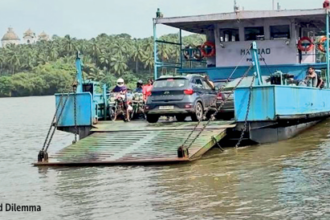
based. There will be three ferries to enter the island on the day of the
festival,” says Remy de Almeida, treasurer of the St Mathias Sports Club. Effie
D’Mello e Silveira is the president and Bernadette Azavedo is the secretary of
the newly formed committee of the 55 year old club.
The day will begin with a traditional Jevonn at the St Mathias
Sports Club House at 1 pm with brown rice, lady finger curry, kismur and
Manganem, a traditional dessert with coconut and jaggery and channa dal. This
will be followed by Bonderachim Pasoi at 3 pm by Festakar Marius Fernandes, a
villager of Malar and the curator of the Malar Bonderanchim Pasoi. “Starting
from the Malar Church, the Pasoi (walk) will be flagged off with a brass
band. As the crowd walks along the village, there will be five stops and at
each stop one can expect to get a closer look at the architecture, interact
with the locals, taste traditional sweets and watch small street plays. The
people of the four wards will congregate at the stops and will serve Goan
sweets, all using the coconut and jaggery as the base ingredients. Igrez Vaddo
will serve godshem, Goddar Vaddo will serve patollieo, Amboi
Vaddo will serve lathod and Belsur Vaddo will serve alle belle. The
street plays will be performed by the Pilerne Theatre Group, that will also
document the festival,” says Fernandes.
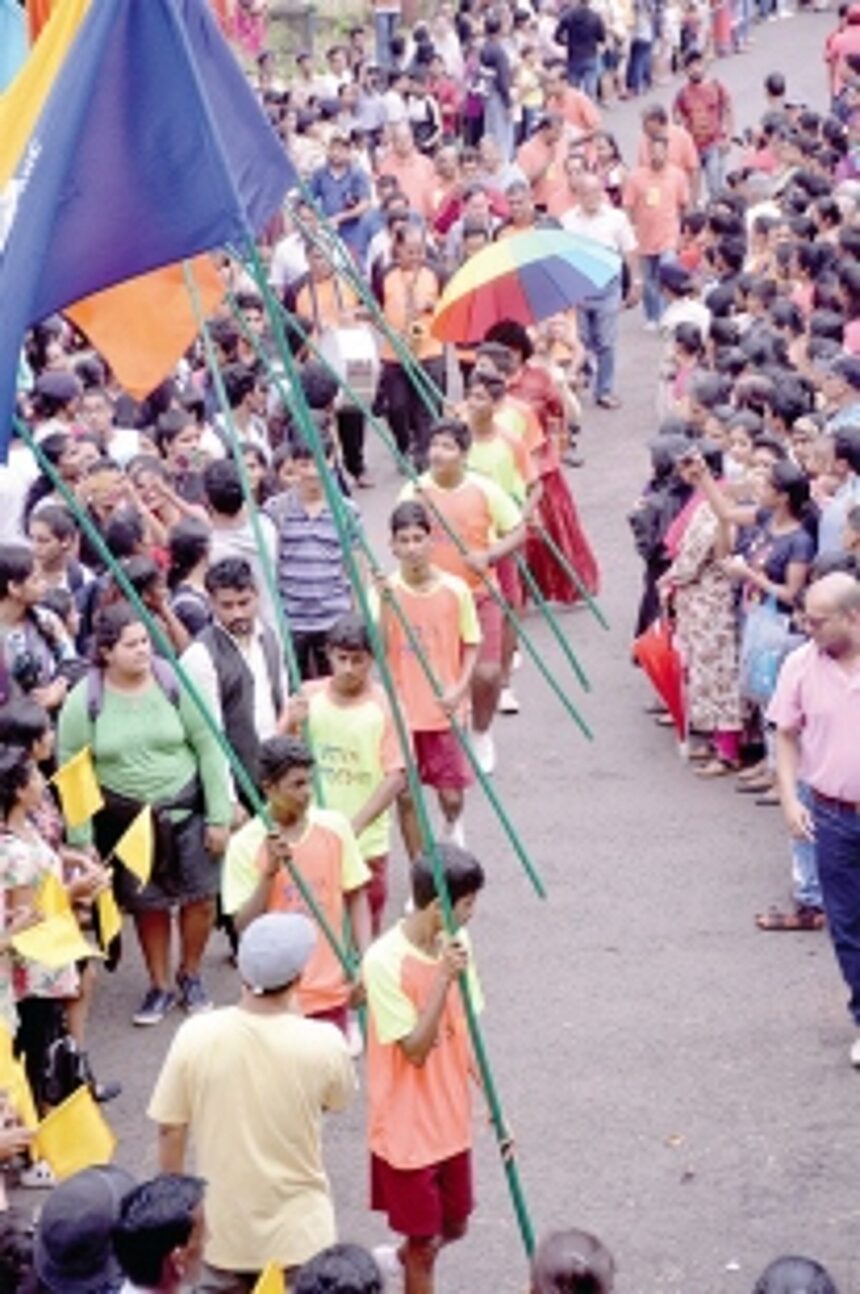
The main part of the festival, the street float parade, where
the residents of the village wards assemble at the Malar Square to depict the
Goan traditions in a high octane street display of music, dance and drama, will
kick off at 5.30 pm. The street parade is a presentation of the diverse
cultural aspects of Goa that is entertaining and educational.
The musical evening will include traditional Goan music and
contemporary music and will commence from 8 pm. This year, Johnny Be Gud will
perform live with Reza followed by DJ MacAttack rocking the dance floor.
In
a fast moving world where traditions and culture are eroding, this festival
forms a perfect learning experience for the youth and keeps the traditions alive.
Inadvertently, this festival brings the community together by putting neighbour
differences aside and in turn builds communal and religious harmony.