This
is story of a city. A city ravaged, buttressed, hit, and yet a city whose inner
life was about the physical and the metaphysical. About ordinary people leading
extraordinary lives. About different fragments, coming together like a
kaleidoscope of colours and experiences.
It’s a story which came together on foot
because its author Taran Khan, a girl from Aligarh and now a Mumbai based
journalist, saw Kabul by waling and walking. On streets which changed, on roads
which began to look different. However walking, rather than moving in bullet
proof cars or living in barricaded enclosures, allowed her to know and feel the
city, up close and personal. She admitted that those who stayed inside
barricades, representatives of NGO, diplomats and other protected species
wished they could come out but didn’t or couldn’t And yet when violence
occurred and bombs went off, those who got hurt were the common folk, the
locals who lived outside of those barricades. She has a phrase for this
“Hierarchy of vulnerability”. Those who get hit are low on the hierarchy
And yet, as Shadow City is read by people
across India and UK, where it was also released, to those who have reported and
worked in Kabul, this is perhaps the
most vivid, emotional and human account of Kabul beyond the war and the
Taliban. And most importantly, it isn’t about Taran, its about Kabul.
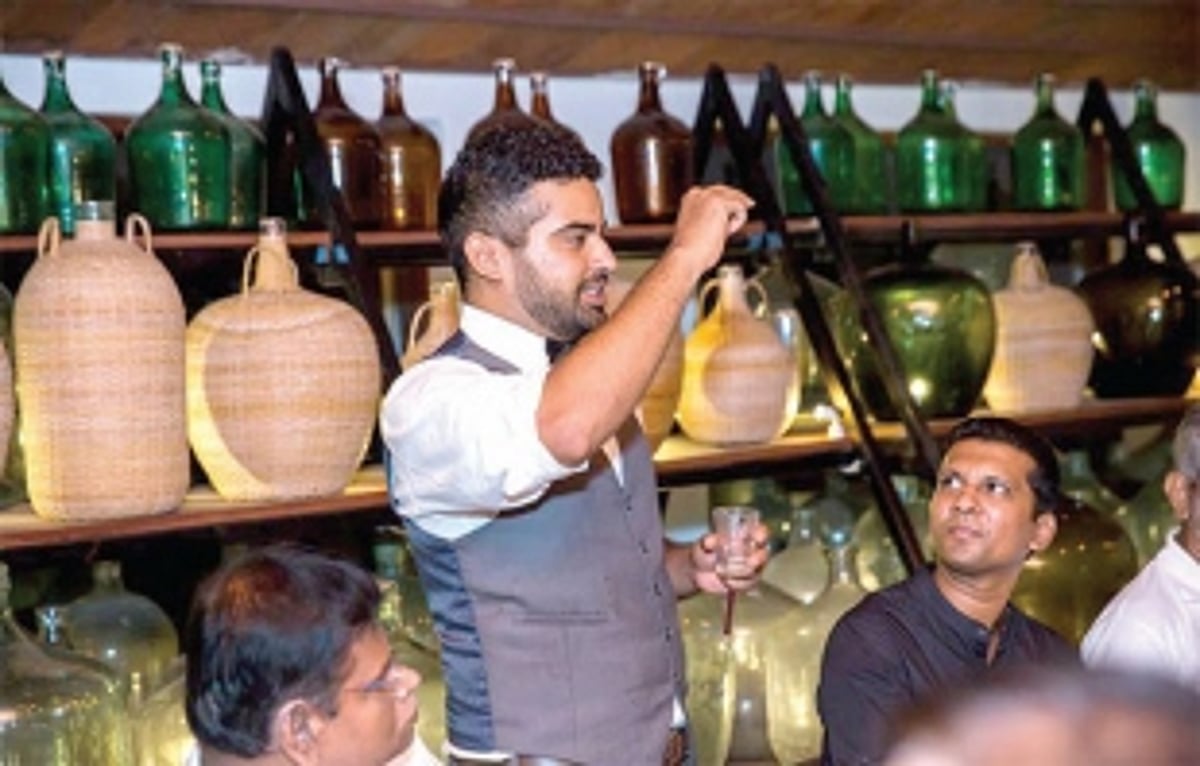
On a visit to Goa with her husband who is a
screen play ad film writer in Mumbai, Khan gave a talk at the regular Monday
Fix programme organized by “thus” a collective which brings together people for
conversations and debates, at Assagao, in North Goa, Taran spoke about the
evolution of her book but more importantly how she walked her way to the what
became a book.
Coming from Aligarh, she saw a city of – in
her words- “beauty and fragility” She and her husband accepted an offer to go
and teach video production to students in Kabul, and it is with great joy and
excitedly that she looked forward to the visit. This was in 2006. And till 2013
she kept on going there staying for long stretches of time. Kabul, surely got
woven into her system and her soul.
Her frame of reference when she reached
Kabul, was the narrative of other writers, not necessarily those writing about
Kabul like Rebecca Solnit. She learnt the power of wandering and ability to get
lost. “There s value to these digressions. There is a also a relation”, Khan
said, during her conversation with an eclectic group of people including
artists, writers, illustrators, quiz gurus, musicians, film makers, super chefs,
an emerging microcosm of creativity which is defining the Goan landscape, or at least a part of it
In a strange way, Kabul felt like home. From
the time she was very young, Taran Khan like many women were trained to
negotiate the streets to bypass the gaze, the scrutiny and the attention
through various ways, like looking busy or talking on the phone. Hence when she
heard the same in Kabul, she was not rattled buy had a sense of dejavu, as it
were. And yet, in this city, the local women took her around, made her see
Kabul through their eyes as well as hers. They told her stories of war and
suffering but they also told her human stories. “ I met women at a centre. One of them was fighting to ensure
that her last born child did not get hooked to drugs because others were. She
wanted to save this child”, said Khan, She recalled how fear, and hopelessness
drove so many to drugs as an escape. The book in a sense services “the
multiplicity of these voices”
It’s also a narrative of those who try and
keep a sense of normalcy, amidst so much that is not. She recalled how
director, actor, producer Saleem Shaheen, would shoot movies within the battle
ridden landscape and perform fight
sequences and ask he if they were as good as the ones in Bollywood. She met young
girls who chatted about flirting, falling in love and how young men and women
would have codes and signals to meet or pass messages. There would still be
family dinners and celebration. The regularity of life did not, could not cease
in these very irregular times.
Over the years, Kabul changed. And many from
Afghanistan came back to Kabul and moved away. And it is in these blurred lines
of where you really belong and what is home, is the reality of Kabul, on the
streets, in the daily lives of people.
Speaking of home, her grandfather, who knew
Kabul like the back of his hand from his home in Aligarh, literally drew a line
from Aligarh to Kabul, telling her things about the city which made her return
to Kabul from visits to Aligarh and see the city through her grand fathers
eyes. This brought in a personal element to her feel of the city, so unexpected
but strong and resonating.
Finally the book happened because in Kabul,
yes in Kabul, she trusted people around her. “They always had my back”. And
that’s how Shadow City- a city of nuances and layers and shades of darkness and
light and of beauty in its fragments came to be made.
The Guardian in its review of the book said
“From graveyards to cinemas, bookshops to ‘poppy palaces’ … perilous walks
through the Afghan capital offer a unique on-the-ground view of the city”
It is more than that. Shadow City is about
its soul.