There’s
a Goa long lost in the threads of the fabric of time. You can barely spot it amidst the modernisation
and rampant poorly-planned development. However, there are some places that
resist change, that withstand it, and the few times that they do bend to the
will of change, they only do it because they will be better off for it.
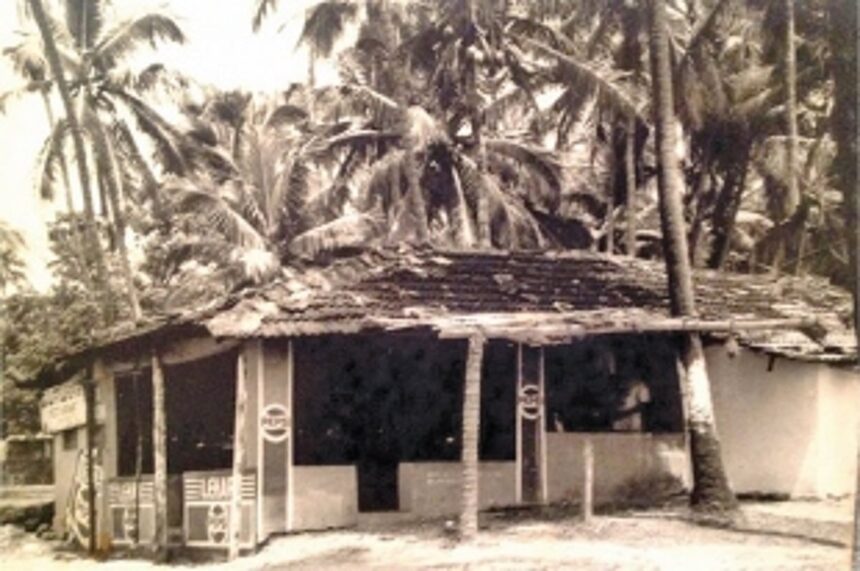
Anjuna can boast of having one such
pit-stop in the form the iconic Guru Bar. Started in 1967, the project of
Sadguru Puroshottam Naik was not that different then, as it is now. When
Sadguru kicked the project off, all that was peddled at the little makeshift
stall of sorts was tea and some of his mother’s home-cooked food, but there was
music on the menu – the staple of every visitor to the place, and the one thing
that every visitor there had an appetite for. As the years went by, every
visitor from lands near and far, waltzed into the kitchen and shared with the
humble folk at Guru Bar their culinary nous; the English would illustrate their
breakfast platter, the Italians how to make a good pizza, and through it all, a
couple of chords would ring through.
Swapnil, Sadguru’s son, is the man running
the family business now, and he does it with an eclectic mix of both panache
and humility, all rolled into one. Swapnil talks about the good old days and
points out how when Guru Bar first welcomed people into its premises in the
‘60s, the only other thing standing on Anjuna’s coast was an adjacent
establishment, Shore Bar. Through the period of the flower power, Guru Bar saw
its fair share of the hippie movement, and many acclaimed musicians perform on
its premises, completely incognito. Swapnil also shares his stories, passed
down from generations before, of how the ‘foreigners’ back in the day would
come in and play unplugged, creating entertainment of their very own, with no
need for organised shows. As the years went by, they would migrate to amplified
gear that was all their own, never with any ‘managing authority’ but always
with a passion for music. For this tribe, Guru Bar was a homing beacon. A place
where they could lay their hat; a place they could call home.
In the early 2000s, Swapnil began playing a more active role in
what happened at Guru Bar, and started getting entertainers to come play at the
iconic venue through a series of concerted efforts; what is truly commendable
about it all is that no matter what the ‘live’ vibe has lived on, in spite of
all of Anjuna’s other leanings, it is the kind of venue that can convince the
modern-day hippy to forsake the choice of psychedelic trance in order to take
up the mantle of being a rock and roll fan.
Swapnil talks with great and glowing praise of the most regular
fixture there, arguably Goa’s best ever product on guitar, Elvis Lobo. Along
with others like Shayne Ballantine and Goa’s next big thing on the music front,
Revellino Fernandes, the music, Swapnil attests to, is what keeps Guru Bar
going through the passage of time.
For
those that have never had the privilege of being part of the Guru Bar
experience, there is much that is being missed. This writer, under the guise of
being just a straggler, has often snuck in, through the better part of the last
two decades, just to be a part of the experience in an incognito manner. There
is still a massive pull to the days gone by within its very airy walls. There
are few places that still stand the test of time, the way that Guru Bar does.
As a little more of Goa’s originality dies with every passing day, it’s these
places that we should hold on to dearly, for it is with them that a little bit
of essence of local pride lives on. That is precisely why Goa is in debt to
places like Guru Bar and others, for keeping its stories and hospitality alive.