Whether it is Ganesh Chaturthi or Christmas, there are certain
customs that are followed when it comes to food in Goa. Over time in Goan
history, the States cuisine has been influenced to such an extent that we are
still discovering new truths about some of these ancient recipes that have been
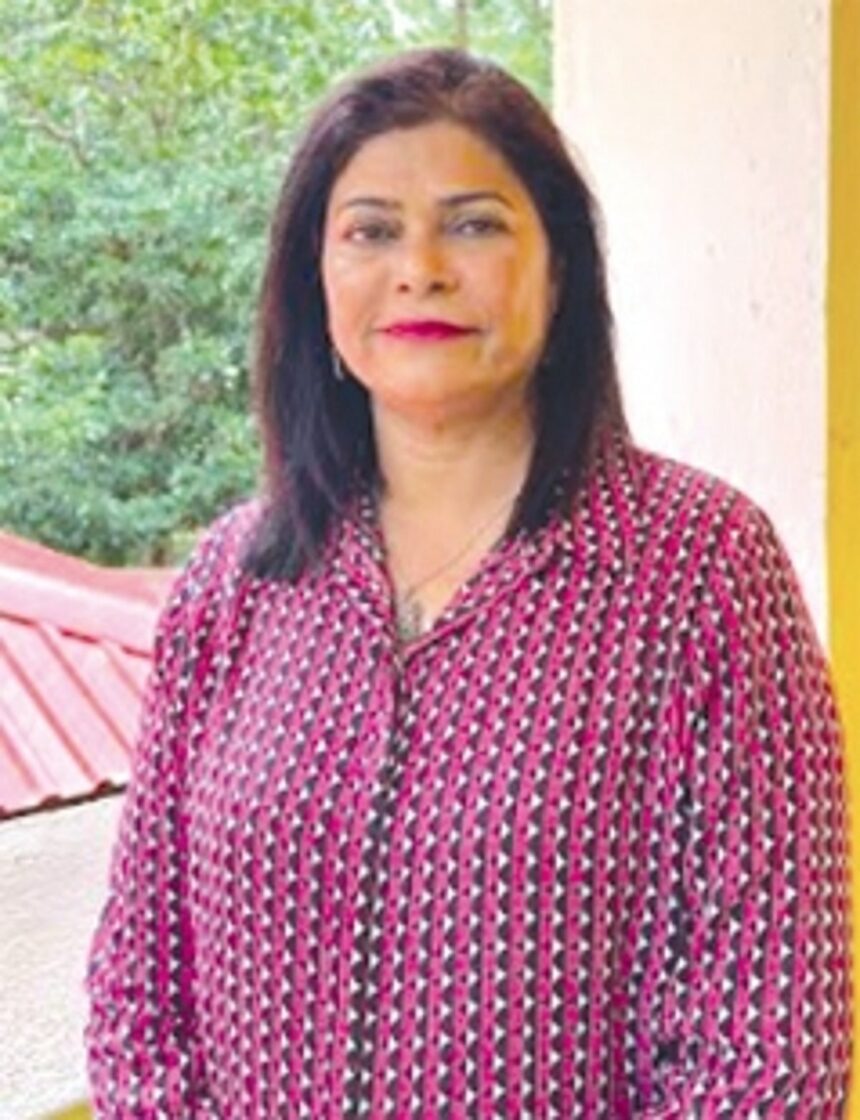
followed for generations. Biula V Cruz e Pereira, an associate professor and
Head of Department of Sociology at Fr Agnel College of Arts and Commerce, Pilar
after three years of intensive field work and research, has released her book,
‘Food & Identity-A Journey of Goa’s Food Customs’ where through 16 chapters
of the book, she brilliantly elaborates on the role of food in every aspect of
a Goan life. From birth to death, through the Holy Sacraments, milestones in
one’s life and even gift baskets presented at different occasions, all
encompass food.
“As a sociologist, observing the functioning of society is
imperative; And what better way to put these observations into words than
through writing. I have always had a keen interest in research and the best way
to pass all this information on and to keep the knowledge of our Goan culture
and customs alive, is by passing it on to the future generations through my
writing. Not only will it help readers learn but it may also inspire others to
take the research further. In a way, writing is my means of giving back to
society,” says Biula V Cruz e Pereira, who also authored ‘One for the Road’ in
2015.
Pereira has dedicated one chapter to food preservation during
the monsoon for both the households, Hindu and Catholic. “Families,
particularly large joint families, stocked up on supplies well before the rains
arrived. In fact, many families continue to do so even today. Many families
keep dry fish on hand to be consumed during the rains as fresh fish is rare
during the rains. Some Hindus preserve jackfruit pips for the rains in salty
water. Kishmur is a popular dry prawn and mackerel preparation. Years of
knowledge and experience have gone into such preparations. Over time, beliefs
have come to be associated with pickling and preservation of food,” she
explains.
For her research, Pereira chose the villages of Benaulim and
Verna from the Old Conquests and Balli and Shiroda from the New Conquests.
These were chosen according to their religious constitution in order to understand
how Hindus maintain their own culture and food practices in areas dominated by
the Catholics and vice-versa. All the respondents from the four villages
cooperated and provided her with the necessary information. However, there were
certain rituals in which women could not participate. Many people approached
her to know her intention to attend and collect information at the event.
Over the years, Goan society has undergone a tremendous change.
The easy availability of food items and food related information has altered
the taste of the present generation. She says, “Mostly non-vegetarian food
including meats like pork, beef and chicken is prepared by using traditional
recipes and served on all occasions celebrated by the Catholics. New menus with
western influences have entered into their celebrations. While among the
Hindus, due to the existence of religious rituals, vegetarian food is served,
which mostly includes traditional food preparations like khatkhatem, sukhi
bhaji and tonaks. Only a few additions like fried rice and gobi manchurian are
new entries in the menu for occasions especially when food is catered.”
While women are the primary figurehead in the kitchen, there are
many rituals and customs that are restrictive for women as well. “The role of a
woman revolves around the kitchen, and this is inculcated in the minds of young
girls much before they are married. Presently, due to the carreer oriented
women, many husbands also assist them in kitchen related jobs. A number of
religious festivals are celebrated by the Hindus which are associated with food
preparations. It’s a big challenge for Hindu woman to follow food preparations
related to the occasion as they have to follow certain procedures which do not
happen among the Catholics. Hindu women also observe many fasts as compared to
Catholic women,” says Pereira.
As a full time professor and head of the department, Pereira
finds researching new topics not only a challenge but also a passion. She has
learnt the art of balancing her family and professional life and as a
sociologist, she feels happy to continue contributing to society and passing
down information to future generations.
Speaking about the challenges of writing the book, Pereira says,
“The task was challenging as very little research exists on the said topic.
Field work was the major tool used to collect the data, hence the convenience
of the respondents or the villagers was a challenge. Being a Catholic also
posed as a challenge, since it was difficult to understand certain Hindu rituals,
especially where a woman is not allowed to participate.”
However
one advantage of writing about food is that you get to experience different
cuisines and cooking styles. A foodie herself, Pereira is now custodian of many
family recipes, “I have gathered lots of knowledge with regard to food
preparation and local ingredients. Whenever I liked a dish which was shared
with me, I used to ask for the recipes from the respondents which they promptly
shared. I have not included the details of the recipes in the book, though I
have mentioned the ingredients that go into the dish. I am passionate about
food and some of these recipes have found their way into my house and have
become family favourites too,” concludes Pereira, whose book will be available
in the market shortly.