When 2020/gave way to 2021 little did we know that the worst was year to come
It was a human tragedy of epic
proportions. but then it also brought out the best in many. Scores of ordinary
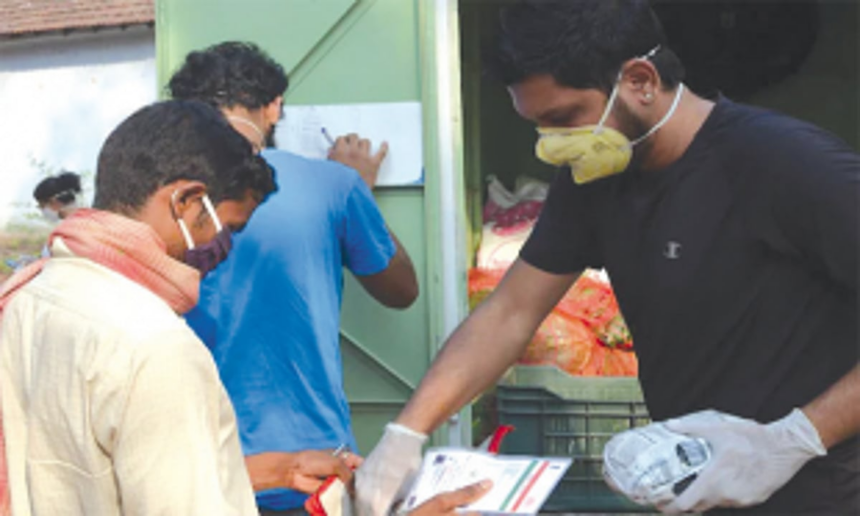
folk, young and old stepped up to the plate and organized themselves and
ensured people left on the kerb did not suffer even more. Rations were
provided. Free food was organised by groups in coordination with restaurants to
ensure these people did not sleep hungry. Many people who lived alone and
needed medical attention were take care by volunteers who ensured they received
their medication and visited their medical facility when the appointment was
fixed.
Now that times seem calmer with cases
reducing in numbers has the demand for rations reduced. What is the situation
on the ground? What are the learning’s for these volunteers, will there be
anything different they would do in the future if they have to tackle a
situation like this.
Nupura Hautamaki who was one of the
volunteers that coordinated the operation said they were helping people. She
said “I am still out in the field with volunteer’s everyday especially in the
evening. We provide monthly rations to be people. On an average we supply
monthly rations to 40-80 people everyday on average. We focus on North Goa and
the needs of the people are still there. It is difficult for people to get jobs
and they are struggling”. She said they put in place a system after what they experienced
in the first two months of the lock down last year.
She said volunteers were in place who would take down details of
everyone who called. They would be asked their temporary and permanent
addresses, Aadhar card details, profession and details of everyone at home
along with their details. This was necessary because they found that on one day
the husband would call and a day later the wife would call. This data is kept
private. This data she said would be checked when the volunteers would visit them
when the food was being distributed. She said it was an exercise which is
ongoing. She said this year there were 700-800 families who needed help in
Mapusa.
Last year she said 80 percent of families who needed help were
migrants but this year worryingly 80 percent of families needing help were
Goan. Asked what her learning’s were she said it was important the government
should have somebody present at rations shops so that people get what they were
entitled. She said “We were told by people they were given only 8 kilos despite
being entitled to 10 kilos.” She felt in situations like the pandemic, they
should use the panchayat infrastructure because they would know who should be a
recipient for which government scheme. That she said would save a lot of time.
Kush Khaitan of The Rasoda provided free food during the really
bad days of the lock-down. He said “We started on May 19 and we provided around
12,000 food packets over a period of twenty days. The volunteers would come and
pick it and deliver to the various points. Now of course we have discontinued
the service but we are still providing food at a much discounted rate for the
exercise. People still come and pick from us.”
Shruti Chaturvedi who organised and co-ordinated the entire
exercise that involved around 75 to 100 volunteers said the people still needed
help. She said “Yes we are sending rations and we are still helping people with
medication. Just today we helped 58 labourers get jobs at a site. They were
interviewed and hired.” She said many people did not want free food. They
informed the volunteers they wanted to work and earn money. Their cv’s were
posted online on various platforms and people responded.
Now they were helping train women in being nannies. They would
receive a certificate informing probable employers they were trained. In
addition with hotels considering reopening, there was now a demand for
gardeners. Their group was helping provide training. She said during the second
wave they had no experience but with new volunteers they developed a standard
operating procedure. This was a purely citizen initiative structure that was
developed based on their on ground experiences as well with inputs from senior
industry executives who gave their time to create the document. It has been sent
to cities around the country following requests from citizen action groups.
Speaking at a more local level in Aldona, volunteers are still
taking care of covid patients as well as those afflicted without illnesses.
Beverly Mendes aid just the other day they provided an oxygen concentrator to a
patient of cancer who was in his last stage. She said after providing
assistance to people she had learned that negligence on the part of people was
the root cause of death on many cases. Delay in testing, not paying attention
to symptoms was a serious problem. She said even if there were few symptoms it
would be better to go to the health centre and if you could feel symptoms it
would make sense to rush to the hospital emergency ward and seek consultation
from the doctor. She said it was important to follow these simple rules because
since numbers had reduced, many isolation wards had been shut but at the
village level it was still not good.
The
volunteers in Goa continue to remain focused on the job and are adding learning’s
that will benefit them and the people they will help in the future.