Azulejo, the iconic blue and white glazed ceramic tile, a testament in itself to stunningly
diverse cultural influences including Arab, Portuguese and Chinese, forms the
subject of the eponymous show, planned for the Serendipity Arts Festival (SAF)
2019 in Goa. Says curator Vivek Menezes, “We can all recognise the iconic
Azulejos of the Portuguese period of colonialism in Goa. Our project for SAF
2019 seeks to look towards 21st century iterations of the Goan expression
inspired by the same forms. This is why we carefully selected 25 artists under
the age of 40, and made sure they include different disciplines: painters,
architects, illustrators, and one dancer. We believe the combination will be
dazzling.”
Held in collaboration with the wonderful Instituto Camões, the
exhibition does indeed look very promising, and more so as Vivek has deepened
the curatorial process with a series of presentations by leading experts in
their fields. These exclusive presentations over the last few weeks have led
the artists and an interested audience on a journey through time, cutting
across historical, geographical and cultural differences to enhance the
conversation around azulejos.
“The underlying idea for this exhibition was to create
masterpieces for the future, thus, we needed to understand where Goan art and
culture has come from, and where we are at the moment. This compelled the
choices of speakers,” says Vivek.
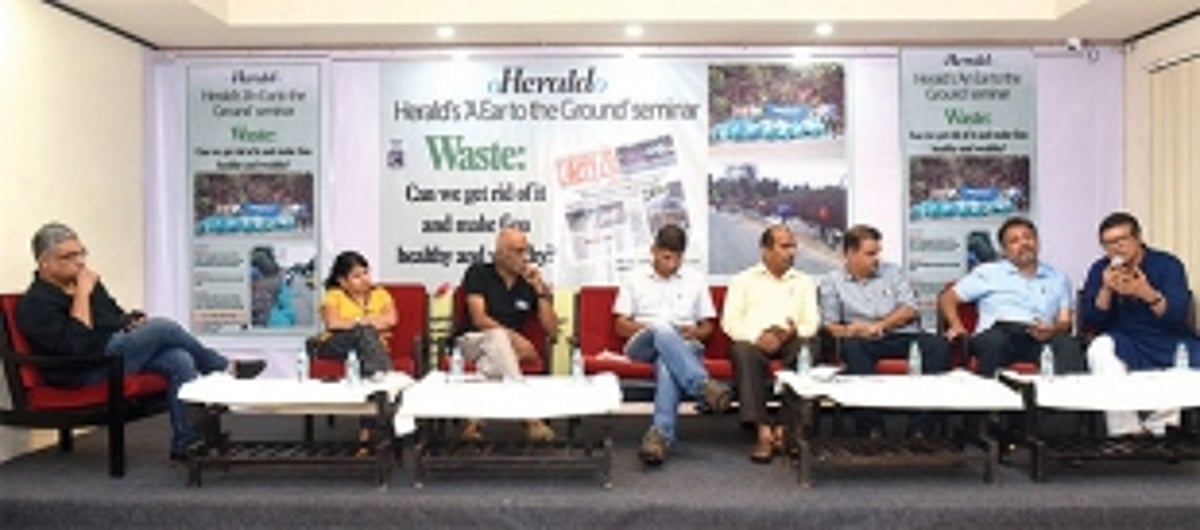
The sterling line up providing insights and context included
Natasha Fernandes, Curator, Museum of Christian Art; Vishvesh Kandolkar, Goa
College of Architecture; Fadista Sonia Shirsat; designer and Padma Shri
recipient Wendell Rodricks; architectural historian and novelist Amita Kanekar;
architectural historian and Cunha Rivara Chair at Goa University, Walter Rossa;
writer-artist and India’s first female graphic novelist Amruta Patil and author
and Chairman Goa Heritage Action Group Heta Pandit.
Each of these inspirational figures provided a wealth of
knowledge and perspective, illuminating different aspects and furthering our
understanding of a complex, richly layered Goa. To add further enjoyment to the
creative process, a few of the participating artists have produced some
delightful posters. Ramdas Gadekar produces a brilliant self portrait, a
sculptural bust in a meditative mood, inspired by “the simple design, tile
patterns and soothing blue of azulejos”. Sharmila Coutinho’s poster
symbolically portrays a link between Goa and Portugal. A traditionally designed
azulejo tiled background holds an irregular shaped oyster shell that “shimmers
with the shades of our homeland, in blues and greens and a tinge of yellow.”
The embryonic form portrays a growth/ birth of something new and organic.
“For me Azulejo has always been technically and visually
fascinating. I am looking forward to fuse this dynamic combination of
materials, methods, concepts and subjects that challenge traditional boundaries
and defy easy definition,” says Sharmila.
Nishant Saldanha draws the familiar image of The Last Supper,
replacing the figures with plants native to Goa. The figure of Christ is in the
form of a grape vine and the unleavened bread has been replaced by ‘unde pao’
and chillies. “This drawing is really about food,” says Nishant. “The
Portuguese introduced leavened bread and chillies to the subcontinent, which
today are an integral part of our culinary identity. Similarly, I choose to see
azulejo as an art form that is enriched by its global trajectory and embrace
the ungovernable tributaries of ideas that make all things what they are.”
In Nadia De Souza’s whimsical poster, the rooster’s wife makes
him sit on the roof since she wants a more Goan touch to the house. The cat
keeps trying to eat the rooster while the hen is having an affair with the
baker. The pig and the cow are just back from church and are more than likely
gossiping about the hen. The piglets are minding their own business. Says the
young artist, “Apart from being exquisite in terms of design, azulejos can be
used to tell a story. They don’t merely exist as tiles and it is precisely that
aspect that appeals to me. I try to tell stories through my work. On occasion,
after I’m all done, my work tells me its story like in this poster.”
The
first step in a long journey, this astonishing array of posters is a sign of
things to come. It will be very interesting to see the azulejos borne of this
journey. Here is looking forward to one of the most highly anticipated
exhibitions of the year!