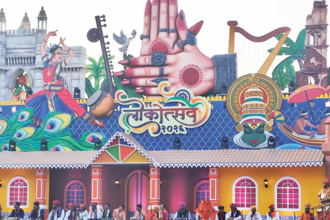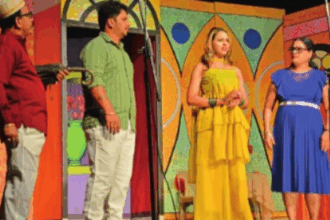
Tiatr is part of the Goan ethos. Just like football, Choris pao and Vindaloo. It’s an art form almost every Goan watch and enjoys. However over the years the youth of the middle and upper middle class have generally stayed away from the art form. The Covid 19 induced lock down did not help matters. The industry like many others was shut down. A large number of actors, musicians were left twiddling their thumps and in many cases when their next meal would come along. It was bad and still remains so. In such a situation one can only ask what is the next generation of tiatrists planning in terms of innovation to bring in the crowds. Are they contemplating new subjects of the day tackled in a manner the youth of today will understand or are they thinking in terms of bringing in more technology in stage management or in lighting technology?
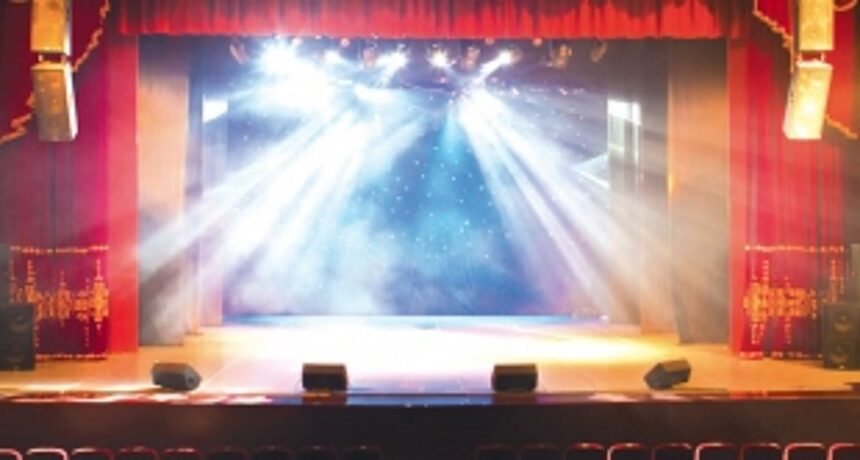
Ceasar de Melo a tiatrist said a revolving stage, sliding stage light effects had all been done in the past but now with the situation on the ground it was very difficult to do anything now. He said “Fifty percent of the seats are being sold and even that is not filling up due to fears of Covid. The money being generated from these shows is just not enough to fund any innovative thinking”. He however pointed out that in the four days of the carnival around fifty shows of khell tiatr were scheduled to be held. Some of them would be held on play grounds others on the footpath and without a stage. Performances will commence in the morning and would last an hour and a half and they would make money from the contractors who hired them. Each play would have around seven to eight people as cast and a band which would feature a keyboardist due to the paucity of trumpeters. He said each of the groups would perform fifty shows in four days which would be great for the followers of the art form.
Mario Menezes was very downbeat when asked about the future. He said “Let’s think about now. Nothing is happening. Perhaps in April something will happen. We had some shows but not many people came out of fear of the virus. Let us start first and then think about the future.”
Julius Mesquita one of the younger tiatrist from Cansaulim had definite views on the subject. He said, “Like seriously people are bored with the same predictable stories watching it again. The style of story writing and creating plots needs to be adapted according to the needs of the story. It’s been quite a while and people are watching the same characters like people, hero and villain. Fictional character needs to be added in order to give a new fresh finish. Electronic digital music will certainly give a pleasant feel in the dramatic play. It is important to have good sound system of the auditorium and maintain it. Genuine talent should be given first preference to perform and get the best response from the audience”.
Augie d’Mello another tiatrist said the problem was that the viewership basically comprised old people and it was important to get the younger view. He strongly felt that tiatrs could experiment by being bilingual in English and songs being sung in Konkani. It was also important he said to learn to write differently according to the subjects being tackled. Speaking subjects he said it was important to tackle subjects that interested the younger generation. It was also important to have a subject on Theater Art in college which should have marks and the tiatr academy should conduct competitions around the State. This would certainly help bring about an interest in the art form amongst the youth.
One of the big guns in the business, Rose Ferns said there was much to learn in terms of stage management, lighting etc. He said the art form was followed by the masses and not the elite and the artistic sensibilities had to be respected. In ten years time he said it was obvious it would be a different market and the tiatrist of tomorrow had to be prepared. He said a lot of training was required to bring it up to standards as visible in other art forms.
Another young tiatrist Alison De Curtorm felt it was important to bring in reality in large doses and depict what was happening in society. It was important to bring social issues and highlight them so that people could understand what was going on. It was also important he felt to enhance the experience on stage by bringing in more three d elements which would make it more real for the viewer.
It is obvious a lot needs to be done to ensure this art form survives and continues to entertain, educate and create awareness of the problems afflicting society.