Herald Café: What is brain death?
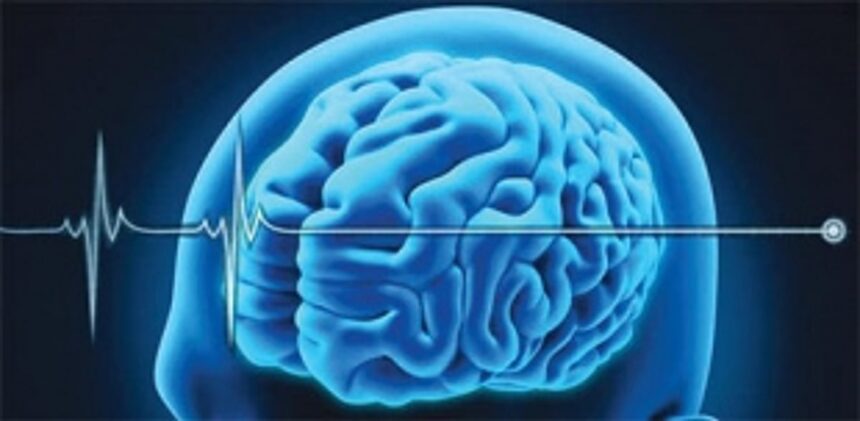
Dr Rahul Kakodkar: Brain death is a form of deep coma from which neurological
recovery is deemed impossible.
HC: What causes brain
death?
Dr RK: Brain death can
result from any direct or indirect insult to the brain that causes damage to
the vital centres controlling breathing and circulation that are located in the
pons and medulla of the brain (together called brain stem). It could be from an
injury, bleeding or stroke or even something that deprives the brain of oxygen.
HC: How many patients
suffer brain death in India?
Dr RK: There are no exact statistics but about 1 in 10 to 1 in 20
hospital deaths are on account of severe brain injury. In India, there are
about 5 lakh vehicular accidents every year and 1.5 lakh die in vehicular
accidents. So it is safe to assume that brain death from vehicular accidents
alone could be about 15,000 every year.
HC: How is brain death
identified or diagnosed?
Dr RK: Scientifically, brain death is identified by clinical tests that
determine absence of reflexes that are controlled by the brain and brain stem
centres. Radiological tests or tests to determine electrical activity can
supplement the clinical diagnosis but not replace them.
Legally, as far as
Indian law is concerned, for a person to be declared brain dead, he/she should
meet the following criteria:
1. Be in an ICU
connected to a ventilator
2. Be in deep coma
due to a known cause
3. Should not have
received sedatives or general anaesthesia for at least 12 hours before testing
4. Should have stable
blood pressure and body temperature
5. Have absent
cranial nerve reflexes (pupillary, gag, doll’s eye)
6. Have no
spontaneous breathing effort even when disconnected from ventilator despite
tests showing accumulation of carbon dioxide in body sufficient to stimulate
the respiratory centre (apnea test)
These tests have to
be performed on two occasions at least 6 hours apart under supervision of 4
qualified doctors at least one of whom is a neurologist/ neurosurgeon to
declare brain death.
HC: If the heart is
beating, how can a person be dead?
Dr RK: The brain is the command and control centre of the body that
regulates all body function. Brain function and awareness is what makes us individuals
and not just a bag of functioning organs. Once brain death occurs, we are just
a set of organs like parts of a car. Organs like heart can continue to function
for few hours to days because of reflexes, however, without the brain to
regulate, they can only be kept functioning with external support and for a
limited period of time before they stop.
HC: There are many
instances where people have woken from coma or on ventilator recover. How is
brain death irreversible?
Dr RK: Brain death is an
extremely severe form of coma, where the respiratory and circulatory centres
are severely damaged and the ventilator has taken over the breathing
completely. Not all coma situations are the same. Patients can be in coma,
where they still are breathing and only assisted by ventilator; such patients
are not brain dead. If the cause for coma gets resolved, they may recover
completely or recover enough to no longer need ventilator.
Despite hundreds of
thousands of patients being declared brain dead using the criteria, there is
not a single verified report of a person waking up after brain death was
declared professionally by trained people.
HC: Who can donate
organs?
Dr RK: There is no age limit to organ donation after brain death.
Almost everyone can donate some organ or other. Unless there is active
infection, transmissible disease (hepatitis B,C or HIV) and recent history of
cancer, anyone declared brain dead can donate organs.
HC: How do I pledge my
organs? Is having a donor card mandatory?
Dr RK: You can pledge your organs by signing up for a donor card during
drives conducted by government agencies or NGOs or by contacting a social
worker at your hospital. In Goa, you can pledge your organs through the website
www.sottogoa-gov.org or the office of the State Organ & Tissue Transplant
Organisation (Goa) in the Goa Medical College campus.
Having a donor card
indicates that you are willing to donate your organs. However, having a donor
card is neither mandatory nor sufficient for organ donation to go ahead even if
you are brain dead. As per prevailing Indian law, your next of kin is the final
authority to allow your organs to be donated and can refuse even if you are
carrying a donor card or have pledged your organs. Therefore, even if you have
pledged your organs when alive you should also discuss your wish with your
family and friends so that they consent to the organs being removed.
HC: Will my body be
mutilated during organ removal? Will that affect my last rites?
Dr RK: Organ retrieval is a surgical procedure and is performed with
all the sterility, hygiene and care by specially trained teams where respect
and protection of dignity of donor is considered supreme.
There will be no
external mutilation of the body that would prevent viewing by friends and
relatives during the last rites.
HC: Will my family be
inconvenienced or troubled because of my organ donation?
Dr RK: Once a brain dead person is an organ donor and family has
provided the required consent, all the logistics become the responsibility of
the transplant coordinator and the organ harvesting team.
The
family is disturbed as little as possible except having to wait for few hours
longer for body to be handed over as not only organs have to be retrieved (
which takes 2-3hours) but it has to be coordinated with surgeries in matching
patients while organs are still viable.