As we come to the end of the first month of
the new year and are well into winding down from all the festive events that
accompanied the turn of the year – from EDM festivals to weddings, Christmas
and New Year dances to house parties, tourist filled beaches to traffic jammed
roads – we run smack into the Goan Carnival: another huge tourist draw and
popular entertainment festival in Goa.
With the Carnival beginning next week, the
preparations for it are already in full swing with decorations being set up in
public spaces, plans for samba squares, carnival dances, masquerade carnival
nights at clubs and float parades, all being made with event organisers,
decorators and other industry professionals working day and night to put up the
most extravagant Carnival possible.
In Goa, the Carnival, also known as ‘Intruz’,
was introduced by the Portuguese and has presently taken a strong hold on the
entertainment and tourist event calender as a colourful singing/drinking/dancing
festival that is full of music and merry making. From the pageantry of the
float parades to the colourful costumes for the Carnival dances, the Goan Carnival
is truly a spectacle for all.
Yet there is another side to the Carnival
that most tourists and city dwellers never see. It’s what I’d like to call the
people’s carnival. All across Goa, in the villages and suburbs, Carnival is
about khell tiatrs and what I can only assume is Goa’s version of Carnival:
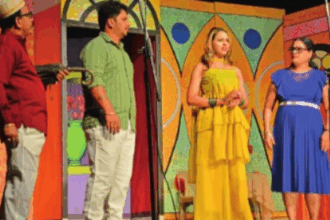
blocos. Khell tiatrs are short 3-act street plays that are
performed at random locations across many villages on a single day, most often,
at as many as 7–8 different locations a day. Announcements made from speakers
on the khell tiatr vehicle announce the time and location of where the
next performance will be. A quick setup by the side of the road and the actors
and musicians perform while people gather to watch and be entertained.
Carnaval blocos are bands that play samba music on the streets of Brazil in a sort
of street parade for a period of almost a month around the time of Carnival.
These street parades are a major part of the Brazilian carnival with people
joining in and dancing along on the streets as spontaneous parties break out
behind every bloco. In Goa too, the village carnivals begin much before
the actual Carnival. Musicians with ghumots, drums and dhols play
a distinctly Goan flavoured brand of music while the people gather around to
dance, sing and throw coloured powder and water at each other.
A lot of the original Carnival traditions
like the colour and water throwing, all night dances and impromptu street
parades have vanished from the cities due to time restrictions and government
regulated street parades with dress codes and themed floats, yet the spirit of Carnival
still remains in the hearts of us Goans. So this year, dress up in the wackiest
outfit you can find and join in the celebrations as we samba the evenings away.