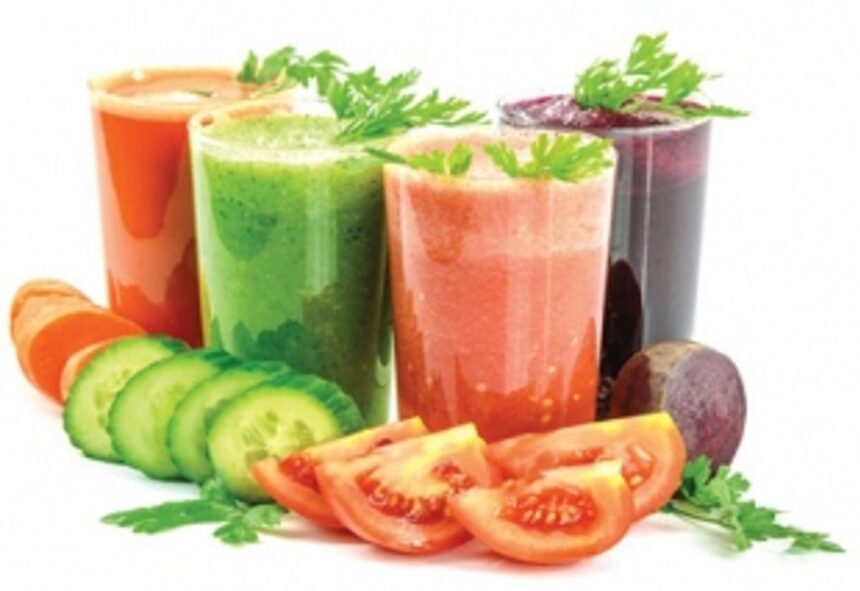
Detox diets are all
the rage, even celebrities tout the “master cleanse” or a similar juice fast to clear the body of
toxins. Many people turn to these cleanses as “diets” and hope they are a means
of rapidly losing weight.
Many
cultures and religion practice abstaining from all or some foods and drinks,
and fasting is a form of detoxification. Ramadan fasting is part of the five
pillars of the Islam creed and refraining from meat during Lent is a form of
fasting in the Catholic religion.
So,
what is “detoxification” and, how does one implement this self remedial
practice.
Detoxification diet
protocols use food as medicine to reduce inflammation, support a healthy
microbiome, reduce the body’s toxic burden, combat food addictions, balance
hormones, and improve nutrient absorption pathways and liver function.
Detoxification diets exist to improve the efficiency of our natural
detoxification process. Popular definitions of detoxing usually include some
version of fasting, juicing, or eating a restricted diet of green leafy vegetables
(and greens powders!)
The basic detox diet
is one that involves reducing or removing substances like alcohol, unhealthy
fats, sugar, meats, food triggers, while replenishing and restoring the
detoxification pathways by adding in high amounts of phytonutrients, hydration,
fats, and proteins for 10-21 days. It is not calorie specific and is encouraged
for most body constitutions as an annual self-care practice.
“Besides the
spiritual and religious aspect, Lent is now known as the time of the year when
people Lent, the time of year when people choose things to give up for 40 days.
Many people choose to fast or give up certain foods like chocolate or alcohol,
or give up activities to demonstrate self-restraint. Others commit to improve
their health. For me, it is a way of detoxing , cleansing the body and losing
weight,” sad Dexter Ferrao.
It is important to
note that detoxification diets are an advanced therapeutic intervention for
using food as medicine. People who have established habits of using high amounts
of phytonutrients (eating lots of colorful fruits and vegetables) and
enzyme-rich foods in their everyday food plan, have identified food triggers,
and have overcome any tendencies towards disordered eating are candidates for a
healthy detox food plan. “In some cases, elimination diets are part of a
detoxification protocol. It is important to work with a professional, such as a
functional medicine practitioner to help determine the healthiest approach for
your unique goals, lifestyle, and body constitution,” added Dr Amol Desai.
For instance, juice
fasts don’t really help you to lose weight beyond the first few pounds of water
weight, which occurs with really any type of caloric restriction. Sometimes,
the fad to go on an all liquid, severely restricted calorie diet can lead to
light-headedness, inability to concentrate at work, and low energy levels. T he
problem with these detox diets is that they are often extremely low on
macro-nutrients and may actually contribute to the loss of lean muscle tissue.
Lastly, after a few days on a detox fast, you will be so hungry, that you will
likely overeat when the fast ends!
“Bottom
Line: To truly detoxify your body, start by reducing your processed food
intake, eat more vegetables and fruits and see how good you will begin to feel.
Remember, in order to consistently help your body naturally detoxify – make
sure that your diet includes all three macronutrients – protein, essential
fats, and fibrous carbohydrates (vegetables). Our bodies need a balance of
these nutrients for optimal energy, recovery, and repair,” said Michelle
Fernandes, nutritionist.