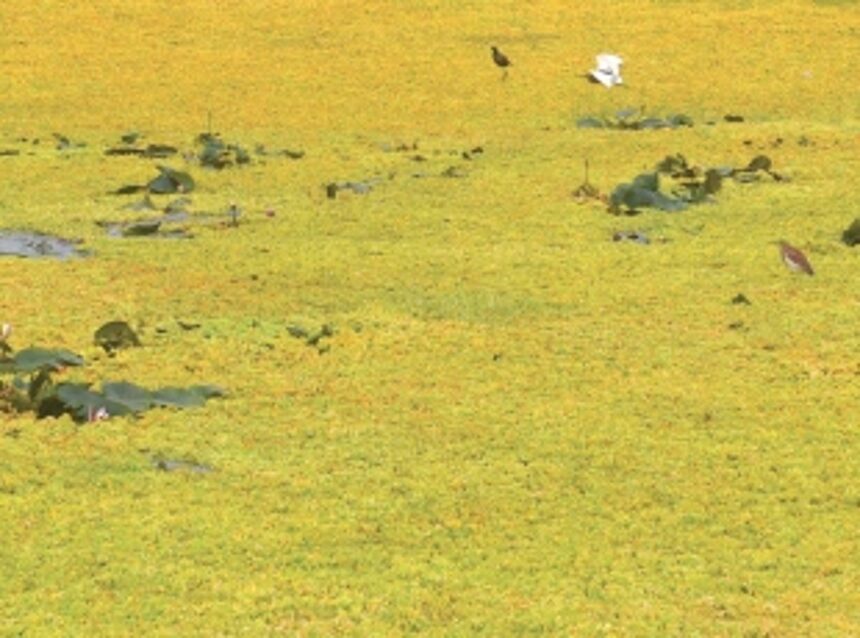
Biodiversity runs through everything; from the air you breathe to the fur on your dog’s back. Goa’s biodiversity flows through its many villages with cool breezes and serene nature, and thrives in the metropolis of our developing cities. Today, Goa is rebranded and has various forms of new technologies and developments, but unfortunately, this development also brings opportunities for exploitation and corruption. This makes it a special case of conservation, as the indiscriminate and unsustainable urbanization of the past 50 years has severely affected natural ecosystems and our biodiversity.
Goa presents an astonishing diversity of endemic species, habitats and ecosystems. For historical reasons, the region remained relatively ‘undeveloped’ till fairly recently, and therefore appears to have suffered less from the grosser forms of environmental damage almost routinely associated with development elsewhere. But with 40 years of ‘development’ now behind it, the impact of intensified economic activities on biodiversity in this region is visibly noticeable and worrying. From the coastline, if you leave aside a narrow 80 m stretch from the sea, the entire lowlands strip, varying in width from 12 to 15 km, is the most developed part of the State, containing about 80% of the population. This area is densely urbanized. As our biodiversity in the state proceeds to perish with every percentage of development in the state, the youth have rummaged through every way to fight back and conserve their home lands and the beauty within.
A student and great enthusiast from Goa college of architecture, Evanthika Pereira articulated her position when asked about our state’s biodiversity and preservation saying, “An Ecocentric approach can be implemented to protect it. And this can only be implemented if the repercussions of the project coupled with climate change shall be addressed far and wide. More like, chalking a pros and cons list and then weighing what is more imperative for us as humans. In the end it’s we who live on Planet Earth. The planet would function even without us, and this isn’t a 2-way thing.”As a supporter of Green Heritage and protestor against the Mollem Project, Evanthika is focussed on setting an example for the youth of Goa and constantly urges students to participate in cleanliness drives such as Buttrush Goa, India’s first environmental movement against cigarette butt pollution, where the team cleared multiple massive garbage bags filled to the brim with just cigarette butts. Another student, Shane Marquis from Don Bosco College, Panjim heartily described a plan to protect Goan biodiversity saying, “Firstly, end politics and their plans of unnecessarily cutting down trees and building on the land. Secondly, everything will automatically fall into place and the last step is to protect it and live happily ever after.”
Students like these have now been seen taking the lead to uplift and protect our biodiversity and our very own futures. Students and young aspirants have now begun taking to social media and its many platforms with fiery petitions and strong influences to battle against any harm or exploitation aimed at our small Goem. Evanthika also explained how students play a vital role in spreading awareness and creating the uproar needed to fight against unnecessary development. She said, “The youngsters definitely play a vital role in this process, as we as a generation have been exposed to a multiverse of data as well as first-hand experience of climate change. With the internet at our disposal at all times we tend to be more aware and sensitive to daily happenings. Plus, we tend to be more proactive compared to any other generation.”
In fact, not only do students take the stand but, in Goa, NGOs, individual scientists and professionals individually committed to biodiversity conservation have provided critical direction to the process, with the cooperation of government departments. The Goa Foundation, an environmental NGO, and the Forest Department, Government of Goa, were the nodal agencies for the preparation and implementation of the Goa Strategy and Action Plan (SAP). As part of the process, a number of individuals, not affiliated formally with NGOs or formal research/teaching institutions, were also encouraged to play an active part in the process.
Goa has thrived for numerous centuries and it seems like our locals are not going to let any kind of development get in the way of the conservation, protection and upkeep of our precious biodiversity. With so many people continuously becoming a member of and assisting environmental movements, especially in Goa, the younger era admits to be truly inspired as they wish to keep being green warriors for our state and eventually the world.