Waste management at Varca ~ A success story
Nitin Shankar
For many years, the villagers of Varca, have been disposing their waste using traditional means. This was done by feeding their wet waste to the pigs and burning their dry waste in their backyards. However, in this process many plastic bags end up getting burnt with other mixed waste. As a result of this, poisonous substances like cancer causing dioxins were released into the air.
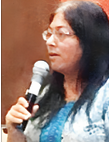
The scenario changed when a new sarpanch, Luiza Rodrigues was elected in May 2012. Assisted by fellow panch members Tercy Fernandes (dy sarpanch), Simon Fernandes, Charlton Lourenço, Anthony Rodrigues, Roland Fernandes and Vincentina Fernandes ~ the panchayat decided to tackle waste disposal, ward wise in a phased manner.

In the first phase, meetings on this subject were organized at many locations at the ward level, to educate the costal village’s population of 10,000 residents, on how to separate and collect waste in their homes. Each of the 600 residential homes were provided a large dry garbage collection bag for stocking household recyclable waste.
In the second phase, villagers gathered together and cleaned the internal roads of all the plastic and other strewn waste that littered the wayside. The panchayat, along with the support of all the commercial establishments, phased out the use of plastic carry bags in the village. The village got a clean look. In the final phase, door to door collection was conducted ward wise in three collection trips by ‘v-Recycle Waste Management Services’, an agency contracted by the panchayat to collect, sort and dispose the collected recyclables.
At a collection point located below the panchayat office, v-Recycle employees sort out the contents of these collection bags into categories such as plastic bags, plastic bottles, paper, glass, Tetrapak cartons, et al. Recyclable waste constitutes about 90 to 95% of the total waste collected and is then sold to enterprises that process such materials for further reuse. This public-private partnership is a model of how waste can be processed in a cost effective, simple and sustainable manner.
On the matter of dealing with food waste, the panchayat decided that the processing of wet garbage should be decentralized, ie, households can continue with their traditional way of wet waste disposal, by feeding such waste to their pigs or pet dogs, if they wish to do so. However, in the case of residential colonies, estates and hotels, this would be disallowed. Instead, they have been told to install their own composting facilities to process their wet garbage. This policy has two advantages. For one, it eliminates the expensive transport and stocking of foul smelling garbage. For another, this waste can be recycled into organic fertilizer for the local rice farmers.
Varca has shown what can be done at the panchayat level to reduce the waste disposal problem. It is now left to other panchayats to follow this lead.