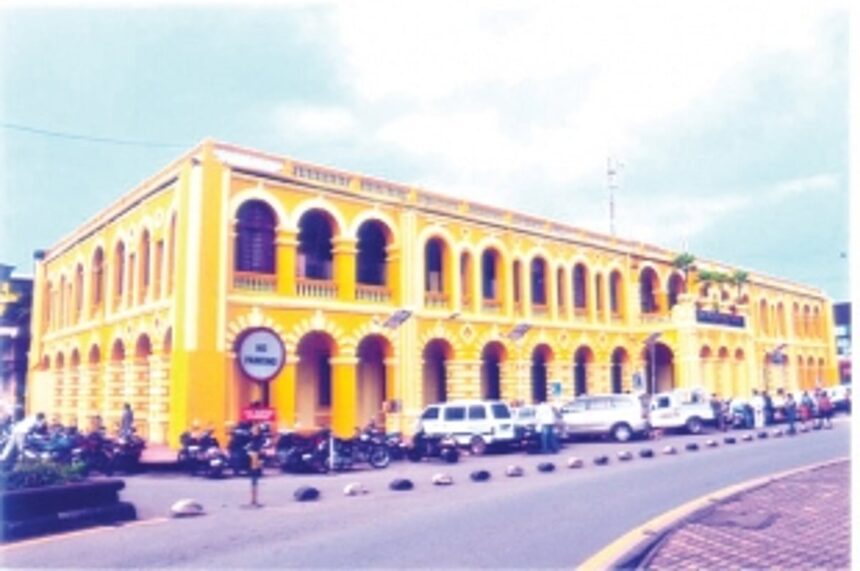
The civic body had been facing a shortage of funds and had gone on overdrive to recover taxes from defaulters, with the chief officer even appealing to the taxpayers of the municipal jurisdiction to pay their outstanding dues. The council did finally manage to get enough credit in its accounts to make the salary payments, but not before the Goa Municipal Employees Association had threatened a strike over the delayed payments.
One interesting aspect of this is that while the association proffered three reasons for the shortage of funds but mainly that there is no recovery cell and dedicated recovery officers, the council had a different explanation that revolves around the pandemic, wherein it claimed that due to COVID-19 it had permitted some relaxation in the payments, but commercial establishments had failed to pay the dues. The association, on the other hand, alleged that the recovery processes had completely stopped. The latter appears to be a more likely explanation, as Margao Municipal Council, aware that it would be facing a crunch situation in payment of salaries had expedited the recovery process late last month. The council has outstanding amount of almost Rs 20 crore, while the monthly salary is approximately Rs 1.5 crore.
Though salaries have now been paid, this is a case of a financial crisis in the council as the chief officer admitted that previously he had, on approval from the Directorate of Municipal Administration, broken a fixed deposit and paid the staff salaries, but also said that the civic body cannot break a second fixed deposit without following certain procedures and hence the council had opted for recovery. Whether because of the cash crunch for salary payment or otherwise, the council should have gone on a recovery drive as the outstanding amount at Rs 20 crore is a large amount. A delay in recovering will only add to the outstanding amount and further tighten the financials of the council.
Margao, an A class municipality and the district headquarters, got a new council elected just months ago mainly due to its promises of development in the town, but if the council cannot raise enough to pay salaries to the staff, will it be able to fund development projects? It also has to meet other routine expenditure, so where will the money for development come from? Besides, after what has just occurred, the council has to maintain enough funds in its accounts to make salary payments for the coming months. It cannot afford a repeat episode. Even recovering the outstanding taxes may not serve to maintain a healthy balance.
While the Margao Municipal Council cash crunch got highlighted due to the salary payment issues, civic bodies in Goa have no major avenues from which to raise funds. Their revenue comes mainly from house tax, commercial taxes, payments for signages, other than grants from the State. They are almost dependent on the government for their financial survival. The annual budgets and the development plans that are made by the bodies effectively turn mere rituals if there are no funds to meet the expenses. Can development projects be expected from the municipal bodies? Lack of finance in local governing bodies is not just the case in Goa but elsewhere too, and last year Lucknow Municipal Corporation had listed bonds worth Rs 200 crore in the Bombay Stock Exchange to raise capital. Bonds may not be an option for civic bodies in Goa, so they would have to look elsewhere.