It was mainly because the vegetable and fruit vendors have covered their stalls and as they had no stocks to sell. The incessant rains that flooded the State, and also the neighbouring States, have made it abundantly clear just how much Goa depends on Maharashtra and Karnataka for its daily consumption of vegetables, fruits, milk, poultry – all persishables that it does not produce in sufficient quantity. With the daily vegetable and fruit supply stopped, the little stock that has arrived has been priced exorbitantly, right out of the pockets of the common man.
The slightest of adverse conditions in the other States has a direct effect on the markets in Goa. The shortage and the price hike was mainly due to the supply routes via Chorla Ghat, Anmod Ghat, Kolhapur being blocked due to landslides and flooding, besides the floods in the farming regions and markets of the neighbouring States. Horticulture Corporation that attempted to bring supplies through some alternative routes failed in its endeavour. Some supplies resumed on Saturday, but the selling rate was still high as the quantity that was procured fell way short of the demand. Until the supply routes open and the farmers are able to sell their stocks – which hopefully have not gone bad – the rates will not fall.
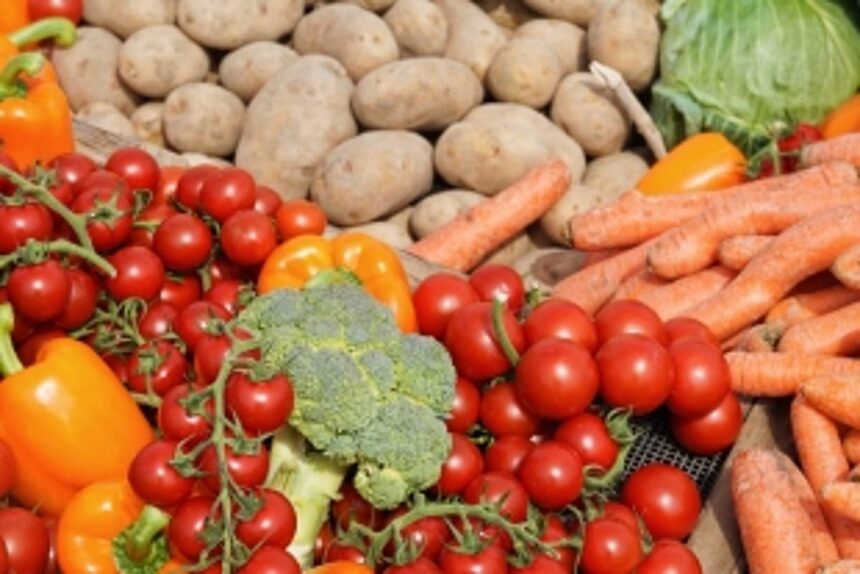
This is a call for Goa to wake up to the fact that neither does its agriculture produce meet the needs of the local population, nor does it cultivate the entire variety of vegetables that are required for daily consumption. Goa’s local horticulture produce is negligible and does not consist of vegetables like onions, potatoes, cabbage, carrots or fruits like apples, pears, grapes. Weather condidtions may not permit the growing of certain fruits, but even the bananas that Goa does produce are not enough for consumption and the State has to depend on the fruit from outside the State.
The rains have subsided and the supplies will soon resume, but had the routes been closed for a longer period then Goa, which has for now been merely inconvenienced and faced a price rise, could have faced some major problems. Milk packets that come from Kolhapur, Belgaum and other cities stopped for a day or two. The local milk suppliers Goa Dairy and Sumul were not able to meet the demand. The bottom line is that Goa is totally dependent on almost all its supplies from outside the State. It is therefore imperative to reduce this reliance to at least a certain extent, so that in times of crisis it can cater to the demands of the people?
The Horticulture Corporation has been concentrating on procuring vegetables and fruits from markets outside Goa and selling it through its kiosks at a subsidised rate. While this provides buyers the option of getting their daily supplies at a reasonable rate that is less than that in the open market, it has not enabled the local vegetable growers to increase their output or diversify their produce. This was sorely visible in the past few days as Goans struggled to get their daily needs. Merely subsidising the sales is not adequate, the corporation has to be able to increase the produce and the type of vegetables and fruits grown.
Horticulture farmers in Goa need a support system that will encourage them to increase their produce. Once the markets get back to normal, the horticulture corporation will have to look at how best it can create this system. It may not end Goa’s long dependence on its neighbouring States, but will reduce it to a certain extent, enough so that when the weather plays up again, the pinch to the pocket will not be felt so badly.