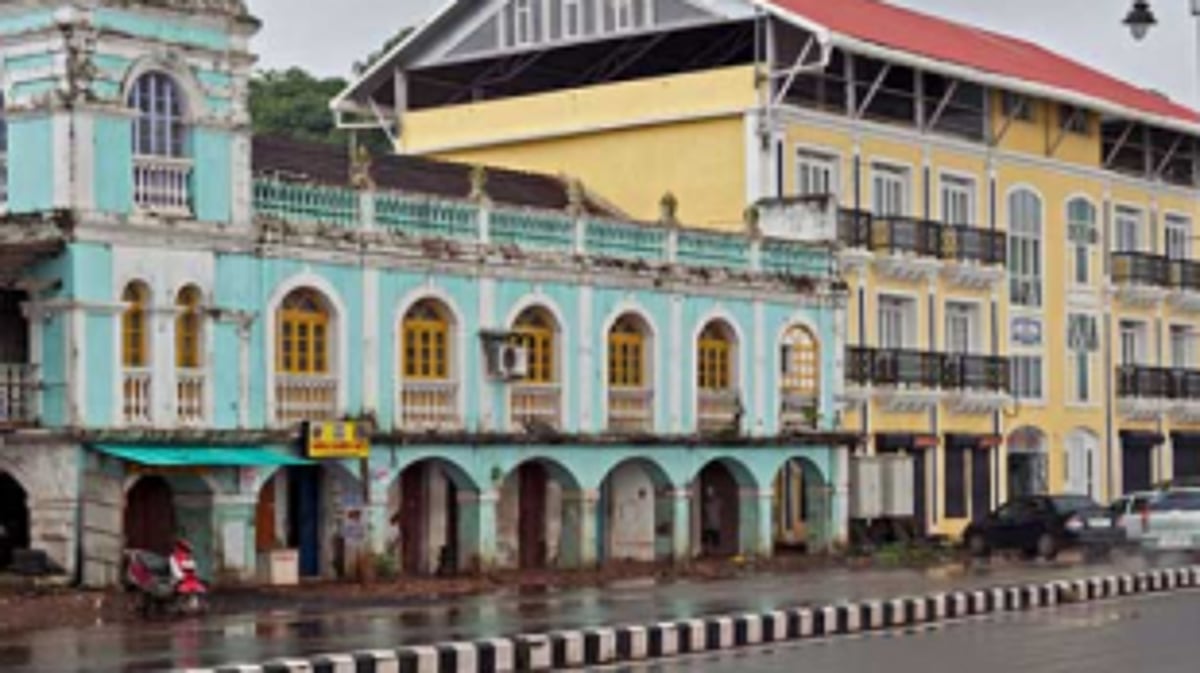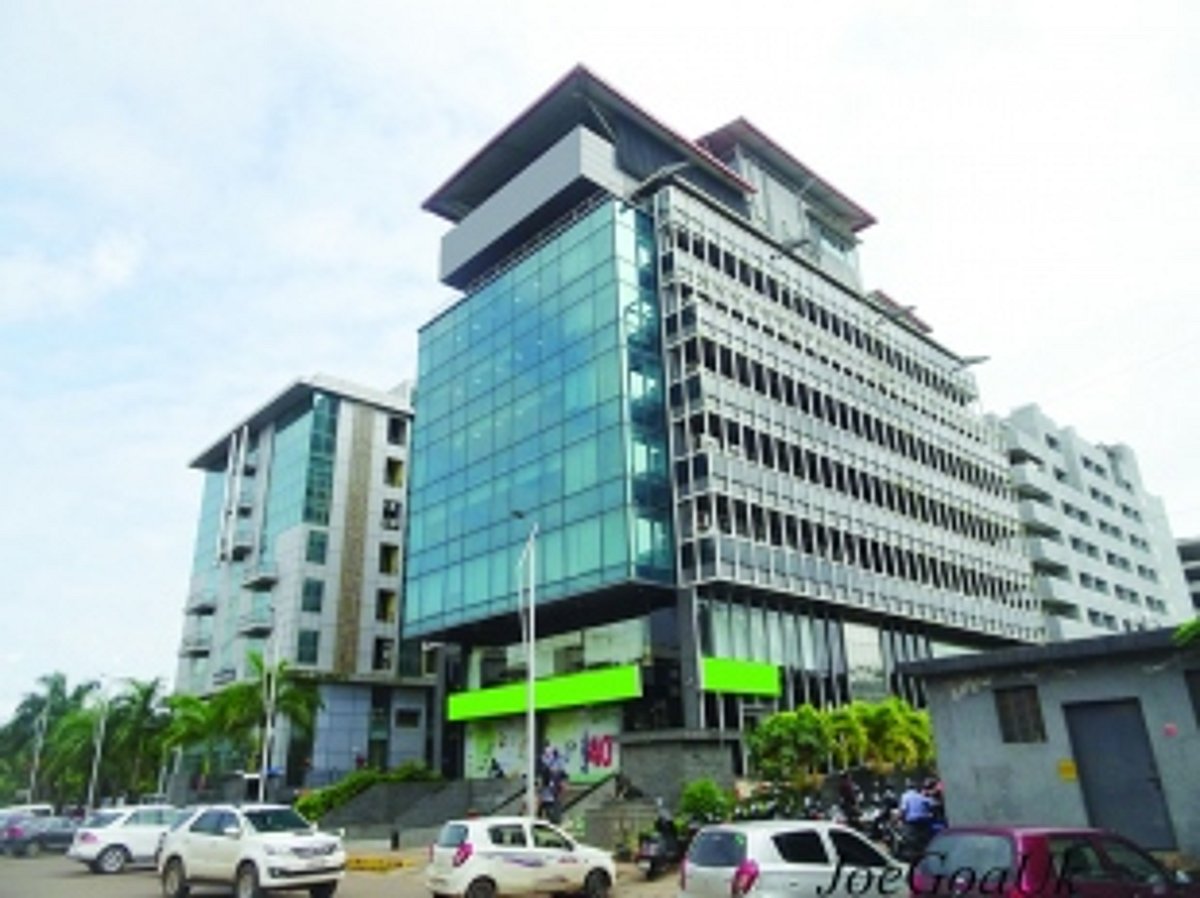
The building he referred to is a Central government office structure, but the statement does amount to an indictment of the functioning of the government of which he is a minister, as the minister confirms what everybody already knows – government buildings are just not properly maintained.
Government buildings are public property – public assets actually – and have to be viewed as assets to be treated in such manner. They are not liabilities, but if allowed to degrade without maintenance would naturally turn into a burden. It is not uncommon to see government buildings – be it offices or even the staff quarters across the State – go into degradation simply because of lack of maintenance. Herald has reported at various times of the poor condition of government school buildings. Staff living in various government quarters have often complained of the poor condition of the buildings, due to leakages and no regular maintenance works undertaken.

In August last, residents of the Junta Quarters at Pajifond, Margao had protested that despite complaints filed by them to carry out maintenance works, there was no response from the Public Works Department whose task it is to maintain the buildings. Their protest had arisen after repeated minor fire incidents in one of the buildings, that they feared could turn into a major conflagration. Their grouse was that though they had been paying rent, and not staying there for free, there was no maintenance being carried out. Besides the fire incidents, there was water seepage on the staircases and iron exposed to the weather that could affect the structural strength of the building.
The people in general may not be concerned by the lack of maintenance of government buildings as their visits to them may be sporadic and for brief periods. But these are important assets that have been constructed with government money and hence have to be maintained. The Public Works Department has a building repair and maintenance cell, whose task involves repairs, renovations, pre-monsoon checks, additions, alterations, construction. It is a responsibility that has to be undertaken just like any other.
Buildings are not the only government assets that require maintenance. The lack of maintenance is seen in other areas too. The example of the caving in of a portion of the Panjim-Ribandar causeway last week is a case in point. The potholes on the roads – one can say every road – are another instance of lack of repairs being undertaken. It was only after the chief minister announced that the roads would be cleared of all potholes, that the Public Works Department worked overtime to fill them up. It may have been a shoddy job, but at least the ride on the roads is less bumpy.
While the government keeps promising development, which often means building something, the poor maintenance of what has been constructed completely nullifies the so-called development. There is no reason for government buildings or any of its assets not being maintained. They are the property of the people built from taxes paid. The administration has a responsibility to preserve the buildings and cannot abdicate this. It is unfortunate that upkeep of the buildings often goes unnoticed as there are other issues that demand attention. It is only when the issue is brought up in passing, as it was in this instance, that the focus turns to it.