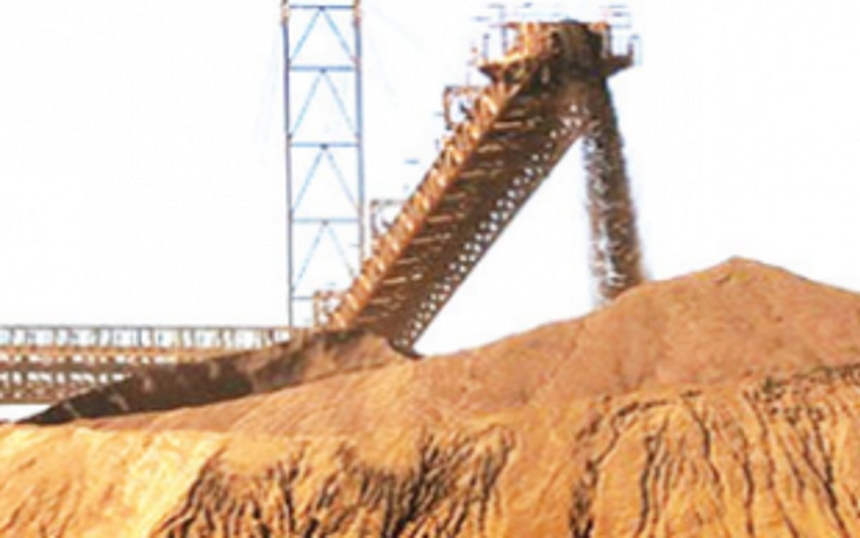
The mining sector has demanded it, the Governor has proposed it and the State government has also written to the Centre seeking that legislation be passed that will allow Goa to restart mining operations as the State’s economy, after the fall of tourism due to the COVID-19 pandemic, depends on this sector. Yet, what is ignored here is that if there is one lesson that this COVID-19 lockdown has taught Goa is that the State needs to be self sufficient in agriculture. That’s a message arising from this crisis that cannot be glossed over. As State borders were closed, allowing only vehicles with essential supplies through, it became evidently clear that Goa needed to focus on agriculture for its survival.
If that is to happen then the time to act is now. Goa’s farmers have a month before they return to the fields. It is not the lockdown due to the COVID-19 pandemic that is going to place a question mark on their revenue the coming season, as agricultural operations have been allowed in the lockdown, but the preparations by the government to turn agriculture around for the farmers that need to be looked into. Has the State done enough in the past months to boost agriculture in the State? Our State Budgets every year, including this year, have assured farmers a lot, but have seldom delivered on the promises. Right from doubling farmers’ incomes by 2022 to bringing 25,000 hectares of uncultivated land under farming, have been budgetary promises. Admirable plans but if these remain only on paper and do not reflect with action on the ground, can there be any change in the sector?
What Goa needs in agriculture is not a minor adjustment, but a major revolution that can be brought about by value addition in farming. For Goa’s financial outlook to improve – it is the government that has to sow the seeds today in order for the farmers to reap the benefits tomorrow. If agriculture is to become a major contributor in the State’s growth story then the time to act to make this happen is now. Statistics show that the agricultural growth rate had doubled from two per cent in 2012 to four per cent in 2014. After that it remained stagnant, despite the government in 2012 having set a growth target of six per cent. That figure has never been achieved. Can the target, however, be met this year or even in the next? Unless that happens, farmers’ incomes will not double. Increasing farmers’ income will be the key to the revival of agriculture. The higher the profits, the higher the number of youth who will descend to the fields. Goa cannot depend on the existing farmers to change the sector. It needs a new breed of farmers, who will essentially be entrepreneurs and who will venture into a business depending on the returns that can be expected. For the farmer today, paddy cultivation is not a profitable venture. The cost of cultivation is high as it is directly proportionate to the cost of labour. While this cost may not be easy to reduce, what the government needs to do is promote high yielding seedlings that will offset the cost of production.
Goa has not looked at agriculture as a replacement to mining. It could do so now, rather than placing all its hopes on the Centre passing legislation that will allow the State mining firms to dig into the bowels of the earth. Why not instead promote an activity that rejuvenates the earth, by sending the youth to the fields and planting seedlings that will yield returns?