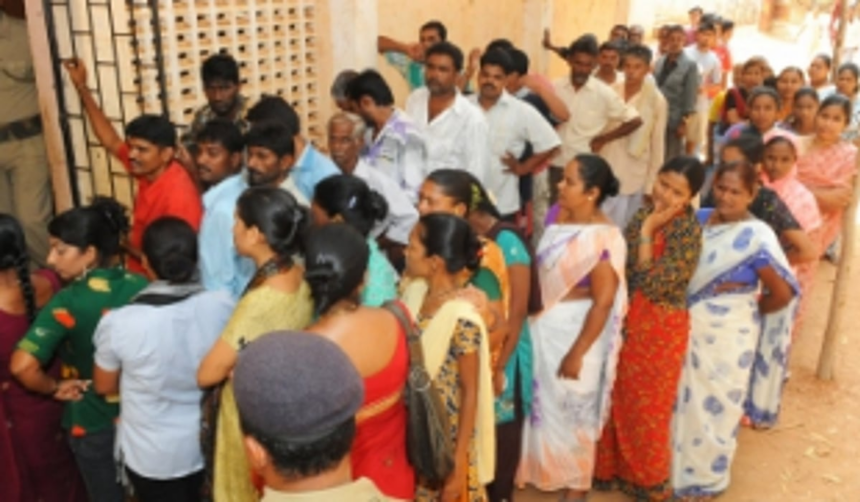
The Zilla Panchayat elections scheduled for next month have drawn more attention and controversy than they actually deserve. With powers not having been fully devolved to the ZPs, the bodies have become almost redundant where rural development, which is their primary aim, is concerned. Given that the ZP members have limited functions and that they have not been able to achieve much progress in their earlier terms, the stand taken by various parties over the elections and the issues raised in the run-up to the poll announcement and following that, are bestowing on the polls an importance that is not in keeping with the functions of the district panchayats.
Of the 50 ZP seats for the two district bodies in the State, 30 have been reserved for candidates of various sections including women, Scheduled Tribes, Scheduled Caste and Other Backward Classes. The objection from the political groupings is that not only was the reservation delayed, which also led to the notification of the polls getting delayed, but that the exercise of reservation of wards has not followed any proper criteria. Take for instance the fact that every opposition party in the State has raised its objections to the reservations of wards, calling it arbitrary and planned to not provide a level playing field in the polls.
The allegations raised by the oppostion parties is that their strongholds have been reserved so as to restrict their fielding of strong candidates who stand the chance of winning, so as to allow the candidates of ruling dispensation to wrest the initiative. It is not just the opposition, but a MLA of the governing Bharatiya Janata Party – Clafasio Fernandes – has threatened to resign from the party as the ZP constituency of Guirdolim has been reserved for women for the third consecutive term. Another objection is that Velim constituency that has a substantial Scheduled Tribe population has not been reserved for a ST candidate since the ZP was formed.
Given this background, it is certain that the ZPs play a bigger role in the political landscape of the State than in the development of the districts. In the past the ZP has been a stepping stone for many MLAs, who have successfully used this route to the Legislative Assembly. On the other hand, there have been many others who attempted to take their political ambitions from the ZP to Assembly but faltered on the final stretch. With the Assembly elections two years away, the ZP polls turn of high political interest as not only can candidates gauge their political strength, but parties can also build their grassroots support that will serve them in the future polls.
The shadow of the controversy over reservation that has been cast on polls reduces the importance of the role that the ZPs play in the State’s development process. It would serve the ZPs well, if the political parties that are now taking the election so seriously would also take as much interest in the functioning of the ZPs and in getting powers devolved to the district panchayats. In the absence of powers and finances, the ZPs remain toothless and the government is content in keeping it that way, as control then remains with the MLA and not with the ZP member.
In Goa, the ZP polls have become merely a political field to test the strength and popularity of the candidates and the parties, but not to allow the bodies to then function in the manner in which they are envisaged to perform. If Panchayati Raj is to survive in Goa, then the ZPs and the village panchayats must be given their due importance, with powers devolved and the bodies allowed to function as per the provisions. Failing this, the ZPs will always remain a body mandated by law, with no powers to make a difference to the rural areas.