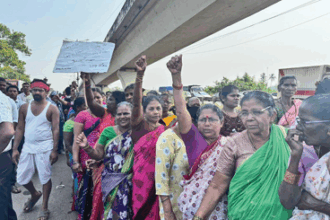
The decision to transfer all tenancy cases back to the mamlatdars, may have come as a huge relief to the tenants all over Goa, and fulfilled a political promise made by the Goa Forward Party and some Independents. But the move has to be very carefully carried out, with all precautions, to ensure that the reversal of the decision taken in September 2014, doesn’t open the doors for back door takeover of communidade land, or pave the way for fraudulent entry of many tenants in land records. This is the other side of the issue and a fear which needs to be addressed.
The key to the success to moving back to mamlatdars trying cases is a quick disposal of cases. The government must execute its key promises – appoint special mamlatdars to fast-track these cases in the state and fix a time period within which the mamlatdar will have to conclude hearings in a tenancy case or else the matter would be transferred to the civil court. These clauses have to be absolute and non-negotiable without any deviation. It is only then that this reversal will be justified.
The government, on September 25, 2014, introduced the Goa Agriculture Tenancy (Amendment) Act transferring tenancy cases to civil courts in a bid to reduce the over 4,000 pending cases. Many landlords and specially the communidades had welcomed the decision, which was vehemently opposed by very powerful tenants. Now there is a growing opposition by the communidades at a reversal of the 2014 decision and these voices deserve a hearing.
The Communidades of Cortalim and Nagoa have declared that they are in favour of keeping tenancy cases at Courts rather than having them at what they term as “politically intervened” Mamlatdar courts. The Margao and Verna Communidade have earlier stated that they are against shifting of cases to the Mamlatdar courts from civil courts.
These communidades have said that having separate mamlatdars and exclusive mamlatdar courts will only succeed if they are given only the court charge. The communidades are apprehensive that the Mamlatdars are sometimes politically influenced and communidades have no say.
While this move back to the maltadar courts is being executed, one question, and a crucial one at that, that needs to be asked is, have all these efforts helped in preserving or increasing the land under cultivation or has the reverse happened. If we have not been able to protect pour agricultural land, which has been taken over for construction activities, then how have we preserved our agricultural spaces and lands.
The Nagoa communidade is right when it says that the Government has no land and is acquiring the age-old Gaonkari/Communidade land for plans not meant for the projects for which they are officially acquired. Lands of communidade have been acquired with urgency clause of the Land Acquisition act decades ago but not used for anything.
At all points of time, the communidade and /or the ancient Gaonkari system must be protected. That is the essence of Goenkarponn. Even simple but important spaces like cattle grazing grounds have been lost. All the slums at Mangor hill, Vasco da Gama and including Mangor Sports Club premises, buildings around it, including those with the military or naval establishment are all are covered under land reserved for cattle grazing grounds.
Therefore, transparency and honesty of approach should be the hallmark of the decision to transfer all cases to mamlatdars. This must not be a parking ground and the first step towards delays in decision making. Cases must begin within 15 days of the transfer as promised by the Revenue minister and handled by mamlatdars who have no other work but case disposal. Any decision should take into account all points of view and be fair. We are hoping and expecting that it will be.