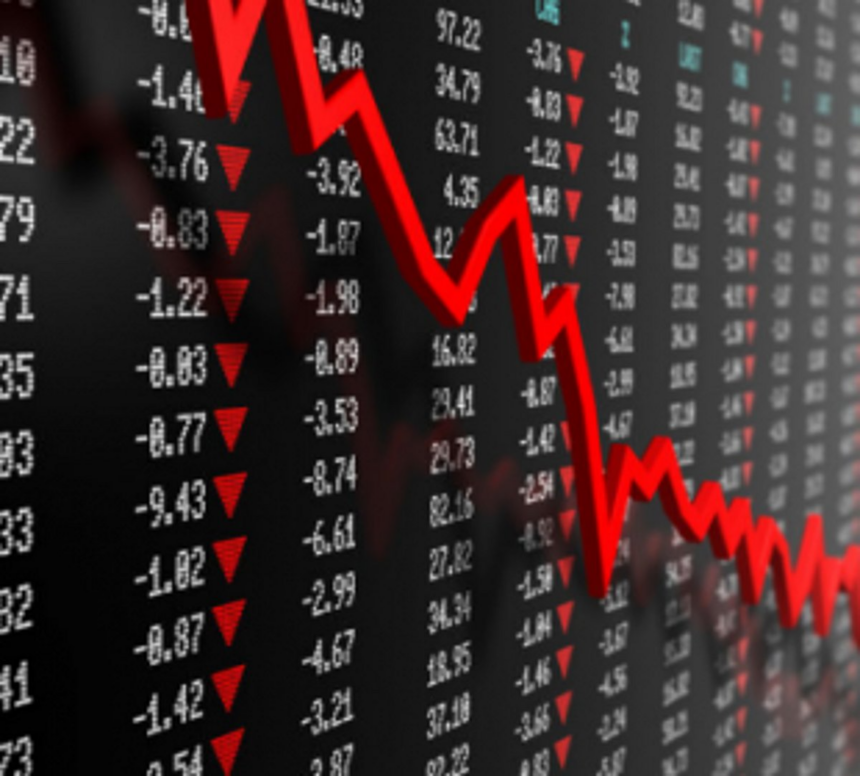
It is estimated that over Rs 12 lakh crore of investments has simply been washed away as COVID-19 hit countries globally. The Foreign Investment Institutions (FII) too are very sceptical of making any moves and many have started to pull out from the market which globally is behaving erratic which is primarily hitting the ebb.
The recent estimates published by United Nations Conference on Trade and Development (UNCTAD) mentions that the slowdown of manufacturing in China due to the COVID-19 outbreak is disrupting world trade and could result in a 50-billion dollar decrease in exports across global value chains. The trade impact of the Coronavirus epidemic for India is estimated to be about 348 million dollars and the country figures among the top 15 economies most affected as the slowdown of manufacturing in China disrupts world trade, according to a UN report.
The most affected sectors include precision instruments, machinery, automotive and communication equipment. Among the most affected economies are the European Union (USD 15.6 billion), the United States (USD 5.8 billion), Japan (USD 5.2 billion), South Korea (USD 3.8 billion), Taiwan Province of China (USD 2.6 billion) and Vietnam (USD 2.3 billion). The trade impact for India is less as compared to other economies such as EU, the US, Japan and South Korea. Trade impact for Indonesia is 312 million dollars.
For India, the trade impact is estimated to be the most for the chemicals sector at 129 million dollars, textiles and apparel at 64 million dollars, automotive sector at 34 million dollars, electrical machinery at 12 million dollars, leather products at 13 million dollars, metals and metal products at 27 million dollars and wood products and furniture at 15 million dollars. However, there is an opportunity for India to increase their exports of products in those areas, which was dominated by China so far.
In the field of agriculture the virus has a huge negative impact. As the virus is prone to spread easily, it decreased the imports by India where the raw material exports have fallen by 1.6 per cent. Commodities exported by India include cotton, jute, organic chemical, pharmaceutical and horticultural products like soya bean, tobacco, fruits, maize, etc.
However, the export of Indian goods is likely to increase due to the imposition of import duty on these items by the United States of America. Concessions and incentive programmes have been announced by the government to promote agricultural exports, which will surely reach the agricultural exports target, believe economists. To boost agricultural exports, the government needs to focus more on the food-processing industry, thereby achieving India’s 2.2 per cent target in global agricultural exports.
As far as imports are concerned, various agricultural products such as cotton, raw meat, leather, edible oil, sea products, etc, are imported from China but due to this virus outbreak, the export from China has reduced in a big way, especially in the import of leather and raw meat.
Many countries have in fact taken a step to seal their borders and travel has been restricted to bare minimum and essentials. This could be a greatest hindrance for trade and business. Further, India announced that people travelling to China will be quarantined upon their return. India temporarily suspended visa on arrival for Japanese and South Korean nationals on February 27. This is terrible news for the tourists of Buddhist circuit which includes, India (Bodh Gaya), Sri Lanka and Lumbini in Nepal.
Indian States like Goa, Kerala, Himachal Pradesh and others who have depended on tourist inflow in the recent past, have already started to face a dip in the footfalls of tourists as travel advisories have been issued from virtually all the countries in the world. Yes, it is like stalling of all activities which will heavily impact the economy. Economists have also started predicting imminent recession in the global economy.
If this happens, India, which was already facing a slowdown, will be severely hit. With a downslide in the economy, the job market will be the first to suffer the brunt. It is time that the Union government, including the Finance Minister, start taking proactive steps towards revving up of economy as a priority and keep the social issues at bay for the moment.