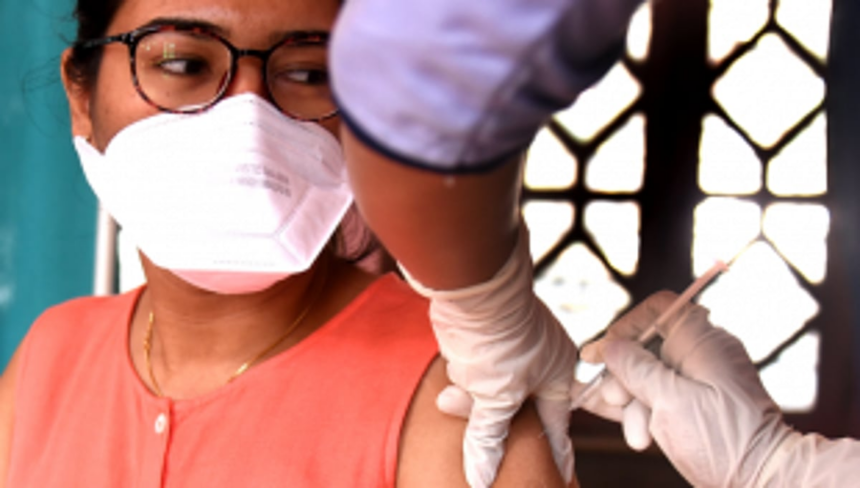
It is a welcome sign after both the drug firms submitted data on their trial runs and both have been granted permission. Approval has been granted to the Oxford coronavirus vaccine and Bharat Biotech’s Covaxin, making it India’s first vaccines against the COVID-19 pandemic.
It is important for all to know what the safety measures are taken to administer this vaccine. The overall efficacy of the Oxford-AstraZeneca COVID-19 vaccine was 70.42 per cent, while Bharat Biotech’s Covaxin was “safe and provides a robust immune response”, said the DCGI VG Somani in a media conference and added that, “We will never approve anything if there is slightest of safety concern. The vaccines are 100 per cent safe. Some side effects like mild fever, pain and allergy are common for every vaccine. It (people may get impotent) is absolute rubbish.”
In a country of 1.3 billion people, the exercise to execute vaccination for all Indians will be a huge task, even multiple times greater than organising general elections. Vaccine supplies will be tight and deciding who will get the jabs first is going to be an issue. Health Minister Harsh Vardhan says private and government health care workers and frontline workers “of other departments” will receive the early doses. However, experts believe that it is not going to be easy. The prioritisation of recipients is going to be a considerable challenge.
The point to ponder is that in a country where the majority of healthcare is private, will a private health worker get priority over a public one? Will permanent workers get priority over people working on contracts? If elderly people with underlying conditions are eligible for early shots, how will different co-morbidities be prioritised? India, for example, has more than 70 million diabetics, the second highest in the world. Will all of them be given a blanket preference? These are the questions which need to be answered and a proper protocol needs to be drawn and made public. Rolling out the vaccine in all the states will be extremely difficult, which will restrict inter-state travelling during the exercise of vaccination. So will early supplies go to states worst-hit by the pandemic? All these questions need clarity. Obviously it is being planned but the general public would also like to know where and in which category they will fall on. Will it be free as was done to successfully eradicate polio from India?
Apart from logistics, weather too will play a crucial role in the potency of the vaccine. In India’s summers, where in some areas the temperature soars to 50 degrees Celsius it will be a challenge to maintain the cold chain. Nearly all vaccines need to be transported and distributed between 2 degrees to 8 degrees in what comprises the so-called cold chain. And most of the Covid-19 vaccines under development, according to the World Health Organisation (WHO), will need to be refrigerated at temperatures well below freezing point of water. This has to be maintained in remote towns and villages for tens of millions of jabs without depending on the cold chain.
Experts say that India has some 27,000 “cold chain” stores from where stocked vaccines can reach more than eight million locations. Indian now has 718 districts. Will this capacity of maintaining cold chain be enough? We will also require enough auto-disabled syringes that will prevent reuse and possible re-infection. The country’s biggest syringe maker says it will be making a billion such syringes by next year to meet rising demand and that it is a welcome sign but it will be in 2022.
Whatever be the tough task, it is heartening to see that India is realizing its importance and coming together to praise the scientists and the health workers who worked under tremendous pressure to fight the menacing pandemic.
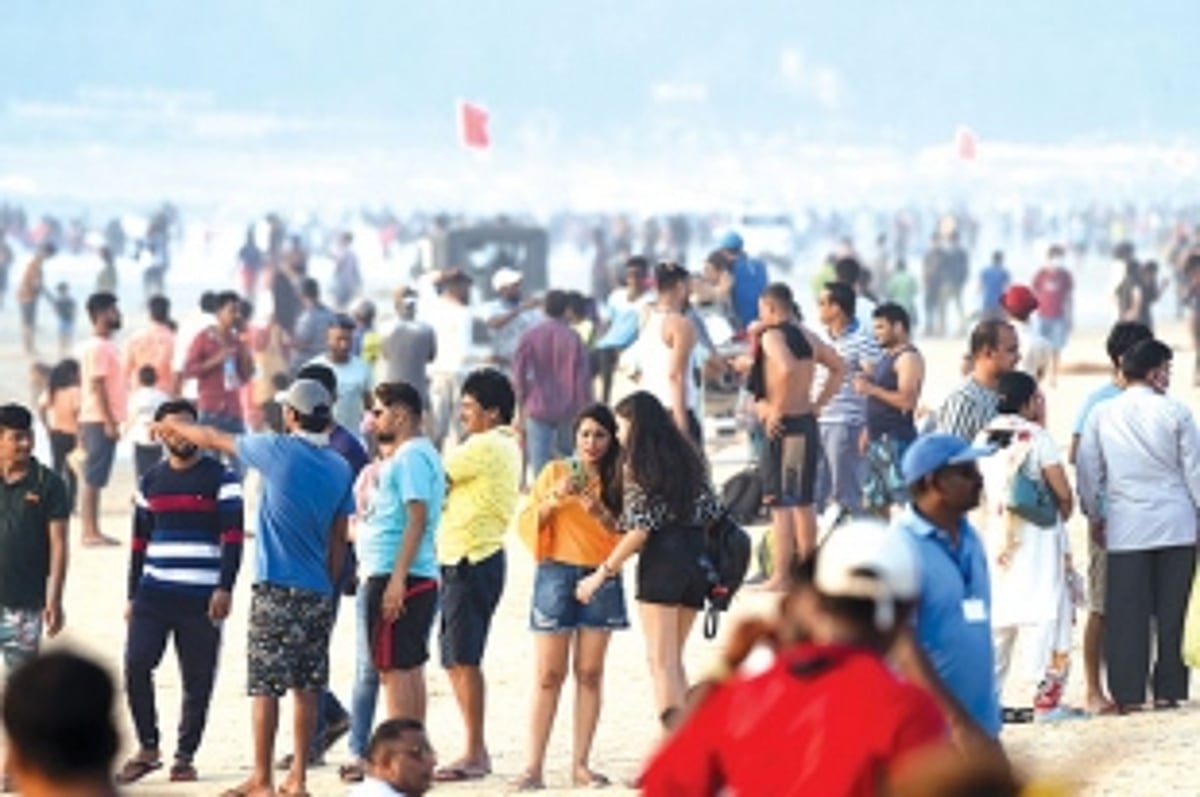
In fact, Goa too has successfully had a dry run of this exercise of administering the vaccine on Saturday and it is ready for the actual exercise in coming days. However Goa’s Health Minister Vishwajit Rane, soon after the celebrations of New Year’s Eve party had said, “Look at the people visiting the beaches, they are not wearing masks. At the airport 60 per cent of the people do not wear mask properly. We will end with a spike yet again this month. Tourists visiting state must act responsibly. Goa is not a banana Republic.” Yes, it is a matter of great concern and the Standard Operating Procedure must be followed to protect one self and other from this pandemic.