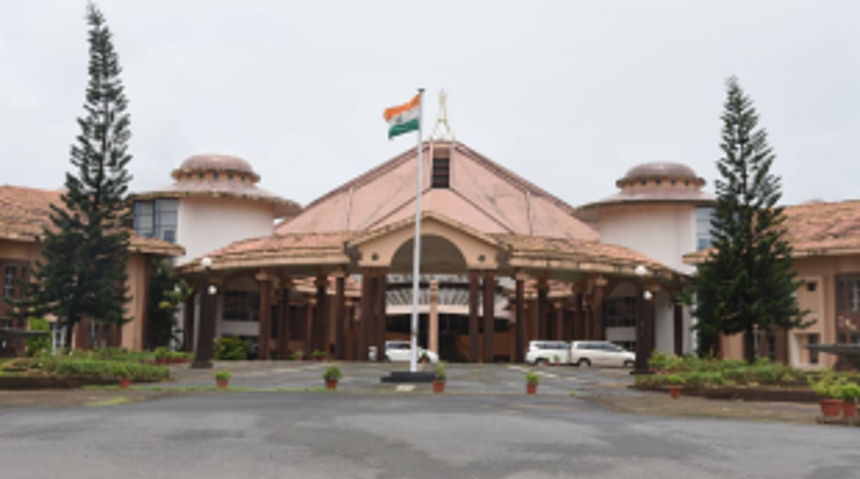
The Association for Democratic Reforms has in its analysis pointed out that the current Legislature has met on just 80 days and the number of hours it was in session was 512.94 hours. In 2020 the Assembly sat for seven days and in 2021 for eight days. Unless there is urgent business to be transacted, there will be no more session. In a five-year term is this long enough a time for adequate debate on the issues affecting the State?
Opposition MLAs have in the past protested the short duration of the sessions, but this didn’t lead to extending the number of days that the Assembly would sit. Earlier this year, Herald in the Review section had detailed just how little time the MLAs had spent in the Assembly and how this was affecting democracy. Tracking the functioning of the past Assembly terms, the time spent by the MLAs of the current Legislature in the Assembly Hall reflects very poorly as the number of days the Assembly was in session falls way lower compared to previous years as since it met for just 80 days, it works out to 1.42 days a month – not even a day and a half every 30 days.
Can we really expect the best of legislation from the elected members of the Legislative Assembly, in such circumstances, where there is little time given to debate legislation? During the current term, the opposition got little time to appropriately raise any issue and this was seen recently, when the government that pushed the Bhumiputra Adhikarini Bill during the monsoon session, just hours after it was introduced, was forced to backtrack on it following a severe backlash from the people. Had this Bill been given ample time for discussion the government could have avoided the embarrassment of having to announce that the bill would be withdrawn after it was passed by the Assembly.
But this goes beyond the mere discomfiture of a government in announcing withdrawals of bills that have been passed by the Assembly. It involves debate of issues and finances. An important illustration is when the Finance Bills are taken up and the House is discussing the ‘demands for grants’, MLAs have to be given sufficient time to make their point because these are crucial debates. When demands of seven or eight departments are taken up on the same day, the time allotted just does not do justice to the debate. Not even when and if the session is extended well past midnight, as happened recently. The same with all government bills that need to be thoroughly discussed before they are taken up for voting, not leaving aside the private members bills that are just as important.
Short sessions of the Legislative Assembly and limited sittings, are just not in the interest of democracy. The members are elected to raise the issues of the people in the Assembly and to legislate; whatever else they may promise in their manifestoes, these are their prime responsibilities. If they are not given ample time and opportunity to fulfil the duties, how will the people’s issues be brought to the attention of the government? To avoid this, very simply, the new Legislative Assembly that will be constituted after the elections early next year has to meet for longer periods, primarily to ensure that a proper debate is held in the Assembly and not accusation outside it.