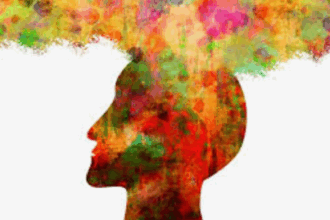
The stark difference between humans and other species is the multiplicity of emotions that a human feels, whereas the four legged brethren may at best feel the basic emotions such as fear, anger, affection and to some extent jealousy when their mating instincts are aroused. Humans are distinctive because they are able to communicate through an array of emotions. The human face, unlike that of animals, is a mirror of emotions wherein a slight twitch of an eyebrow, a reddening of the cheeks or a curl of the lip can convey different emotions. As such it is difficult to be a ‘sthitaprajna’ or a person of steady wisdom and calm disposition, when the emotional pot is constantly boiling within.
King Dasharatha of Ramayana was known to be a king par excellence in valour and sound administration. But when it came to sending Lord Rama, his favourite first born, into exile, he broke down in copious tears and unbearable sadness from which he never recovered. Lord Rama bore a calm exterior while he was informed that he would be coronated and the same calm disposition prevailed the next day when banishment was pronounced against him and he had to leave the portals of the palace to the dreaded Dandakaranya forest. His entire countrymen followed him, distraught to let him go. But after reaching a certain point he urged them to go back and wait for him at Ayodhya. His love for them overflowed in the form of tears as they bade him a reluctant and tearful farewell.
So how much is good? The above incidents indicate that no human – Lord Rama was in human form – however exalted he may be, is exempt from the display of emotions. Emotions are necessary for social life and humans are but social animals.
However, emotions should not consume a person to the extent that he loses his mental equilibrium. Emotions such as love and gratitude are to be encouraged but negative emotions such as hatred, anger, envy, greed are the root causes of physical and mental ailments. Nevertheless, love is good while it is unconditional and unpossessive since it is not repressive.
Although Yashoda, as the mother, and Radha, as the beloved, doted on Lord Krishna, both let him go far away to discharge his more important duties. Gratitude expressed often, and kindness towards one and all are positive emotions. When such emotions are left unexpressed, the feelings of remorse may crop up later, which can cause anguish to the person, especially if it is too late to make amends or when the other is far,
beyond reach. So say thank you and sorry on an ongoing basis without hesitation or delay. Only do not make a facade of this but exhibit genuine emotions. Misdirected anger, envy, greed are negative, and wreak havoc on the mind and lead to production of stress hormones that generate harmful chemical reactions within, and ill health is the only
offshoot. The Bible commands thee ‘not to covet . . . that which belongs to thy neighbour.
The Ishopanishad has a beautiful verse that asks one to enjoy only that which is earmarked for one and not to covet another’s property and that everything is apportioned from what belongs to the Almighty. When one partakes accordingly, a strange peace settles within and one’s emotions are automatically under control.