The other day, I happened to visit a reputed temple in my hometown and was generally in a good frame of mind until I met a priest outside the shrine’s premises. As we exchanged pleasantries, he casually mentioned that he had been asked to resign. Sans an appointment letter, the question of resignation does not arise was his contention. I looked at him astonished more so dismayed by the fact that I was ignorant of his dilemmas. To me, the priest was just one of the elements in the annual scheme of religious events and the happenings of the temples that did not warrant my attention.
But here I was looking at a priest who not only served the deity but my family as well. His role cannot be undermined. He is very much required for all the important developments and milestones in our lives- be it birth, weddings, housewarming, death, etc. yet I had not once attempted to understand him or his fraternity. Was it a case of the ‘Bystander Effect’ prompting me to be silent, indifferent and be assured that it did not concern me in the least?
As we talked through the evening, it came as little surprise that by and large priests have little or no say in policy decisions. The affairs of the temple especially the rich and prosperous ones are normally managed by committees. Such committees comprise members who are voted to power by the followers of the presiding deity. It is but natural that the priests are relegated to be mere means for spiritual and more particularly religious ends.
Priesthood is more of a traditional occupation and lineage. The male member customarily from the Brahmin family formally studies in a ‘mutt’ garnering a degree namely Pandit/ Archaka etc. On the other hand, the elementary knowledge and skills required is simply passed down from one generation to the next. The focus is learning and memorizing the mantras and rituals for various occasions, festivities, and ceremonies.
Not very long ago priesthood was more of a socio-religious obligation rather than a commercial one, times and perceptions are certainly changing in this regard. The financial status of priests has a direct correlation to their temple affiliation.
The richer the temple, the better their fate. The financial crunch is acute and visible in rural or smaller temples. Many times, priests may be compelled to augment their earnings by undertaking additional work. This goes beyond the prescribed temple rituals and may include undertaking rites, cooking, catering, and related tasks. Their dependency on donations and charities from the benevolent members of society is not ruled out.
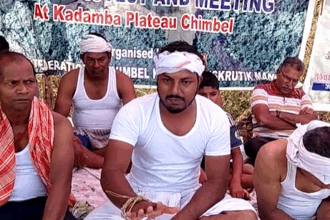
Most of the priests are ignorant of the various social security measures, terms like working hours, compensation, job security, pension, and other benefits are more of notional concepts. The absence of association or union, and the unorganized manner of functioning make them vulnerable and helpless. Add to it a lack of formal education, lack of legal awareness, which further adds to their woes. Rapid social, cultural, and technological changes are redefining their role and contribution. These contextual challenges are pushing the new generation to move out of this profession.
As the day came to a close, I wondered about the future of this minuscule lot and then gave up. Maybe a minor research in this area could help to come up with more concrete findings.