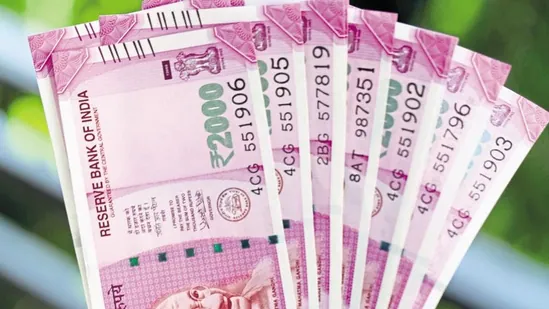
The Reserve Bank of India (RBI) has once again clarified that ₹2,000 banknotes continue to be legal tender and can still be deposited or exchanged, despite being withdrawn from circulation nearly three years ago. While the notes are no longer available through regular banking channels, holders can continue to exchange or deposit them through the RBI’s designated facilities.
The central bank announced the withdrawal of ₹2,000 banknotes from circulation on May 19, 2023, as part of its currency management strategy. Introduced in November 2016 after demonetisation, the high-value note was intended to quickly replenish cash in the economy. As sufficient quantities of lower denomination notes became available, the RBI decided to phase out the ₹2,000 note while allowing it to remain legal for transactions.

The facility to exchange or deposit these notes at commercial bank branches ended on October 7, 2023. Since then, the service has been available exclusively at the RBI’s 19 Issue Offices across the country. Individuals can visit any of these offices to exchange the notes or deposit them into their bank accounts.
Those unable to visit an RBI office can also use India Post. The ₹2,000 banknotes can be sent from any post office to an RBI Issue Office, after which the amount will be credited directly to the sender’s bank account.
According to RBI data, the value of ₹2,000 banknotes in circulation has dropped significantly from ₹3.56 lakh crore at the time of the withdrawal announcement to ₹5,451 crore as of April 30, 2026. This means 98.47 per cent of the notes in circulation have already been returned to the banking system.
The RBI has urged people not to discard or ignore the remaining notes, emphasising that they continue to be valid legal tender. Anyone still holding ₹2,000 banknotes can conveniently exchange or deposit them through RBI Issue Offices or by using the India Post service, ensuring the money remains fully accessible.