Team Herald
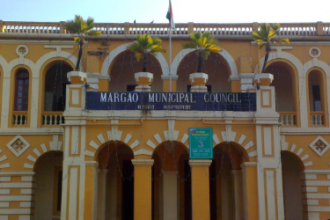
MARGAO: Confusion prevailed at the South Goa Planning Development Authority (SGPDA) when a large group of citizens turned up at the office to submit their objections to the Margao Outline Development Plan (ODP)-2031.
SGPDA had invited Goyche Fudle Pilge Khatir (GFPK) at 3.15 pm on Friday, for a meeting in connection with the NGO’s objections to the Draft ODP, submitted in January.
While the group later submitted their objections in writing, they termed the entire exercise by SGPDA a farce, as they had been called merely for a report-making exercise.
The citizens were directed to meet SGPDA Building Inspector Damodar Naik, who is tasked with preparing a report on citizens’ suggestions and objections to the much-criticized ODP.
Naik told the GFPK delegation of around 38 representatives that only the Objection Hearing Committee (OHC) is authorised to interact with the public for the objection hearing and he has no such authority. However, the group did not get any information about the constitution of the OHC.
Meanwhile, GFPK have submitted a written letter to the Member Secretary (MS), SGPDA, requesting an interaction with the authorised committee for the Objection Hearing.
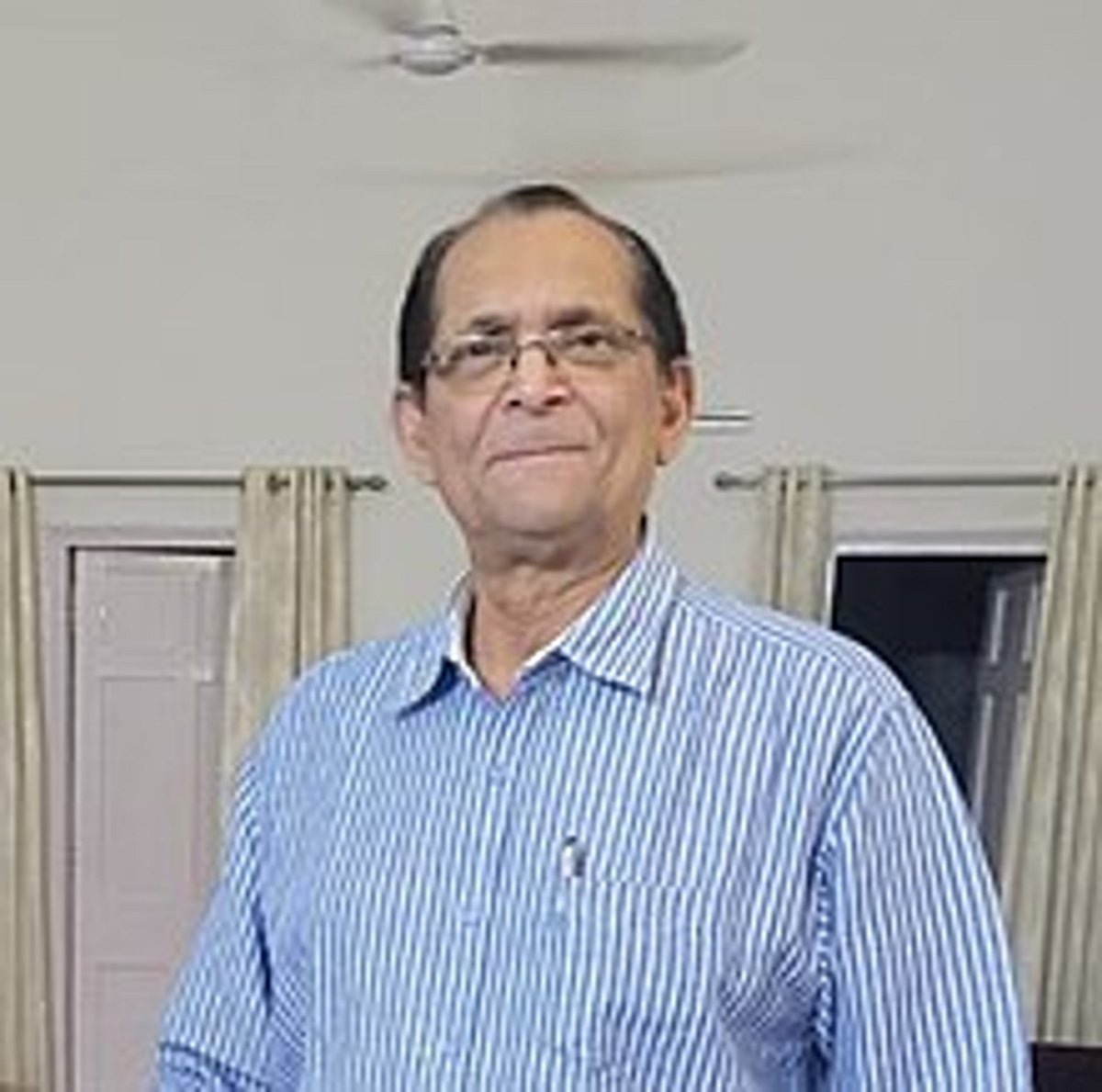
Speaking to reporters after the visit, GPFK President Jack Mascarenhas highlighted some questions they had raised in their written objections (see box) and demanded that SGPDA take serious note of these observations/ suggestions/ objections, for a sustainably planned Margao.
“Since many areas have been arbitrarily changed in zone from agriculture to settlement to commercial, and the road widths have also been arbitrarily finalised, the construction proposals also will be arbitrarily finalised and have irreversible impact on Margao,” said Mascarenhas.
“Given that there are Central Government guidelines that the State should have a land utilisation and urbanisation policy, it is critically important that the Margao town planners follow good practices, central government guidelines and establish a State-level harmony in the norms for land use planning,” Mascarenhas added
“Otherwise, each land use planning authority will be a State unto themselves, and the future generation will question us on inter-generational equity on their land and water resources, which we have to sustainably plan today for the decades to come,” said Mascarenhas.