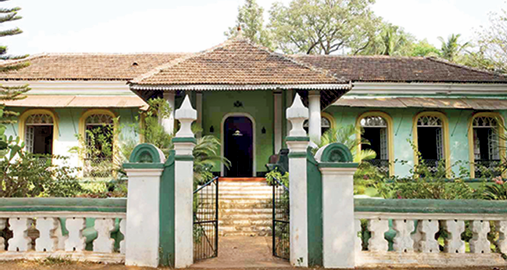
Highlighting the need for a clear policy doc ument detailing incentives, restoration support, and practical guidelines for con serving heritage structures, architects and conservators reacted cautiously to the Town and Country Planning (TCP) Board’s recent direc tive to introduce a protec tion regime for pre-1961 traditional houses in Goa, seeking a balance between the traditional ethos of the structures and modern-day living requirements.
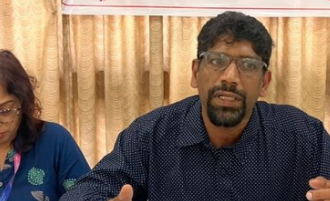
While acknowledging the fundamental importance of preserving Goan architec tural identity, architect and board member of the TCP Conservation Committee, Bryan Soares said that de velopment is organic and cannot be halted entirely. “Historical Goan homes were built for a different era and often lack mod ern amenities within the main structure. Traditional homes typically had de tached outhouses for toilets and kitchens.

Modern living standards require integrat ing contemporary facilities and amenities into these heritage spaces,” Soares said. He said that restrictions should not prevent own ers from adding necessary modern living features, staff quarters, or additional bedrooms toward the rear of the property, provided the primary architectural integrity remains intact. Soares noted that con sultants and architects share the responsibility of guiding clients to maintain character and ethics, rather than allowing indiscrim inate demolition or com mercial overdevelopment. Heritage activist Heta Pandit said that the Govern ment of Goa has had a very poor track record on these matters.
Pandit said that it owns the old Goa Institute of Management (Hospicio Real) building in Ribandar; the Adil Shah Palace, the Lyceum complex, District Court, Junta House, Police Headquarters. “Yet we see deliberate abandonment, neglect and lack of interest in mainte nance. Our question should be, are you waiting for these monumental buildings to collapse so you can replace them with new buildings, hotels, casinos and swim ming pools on their top floors?” the heritage activ ist said. Calling the announce ment a “knee jerk action”, she said that first step in any conservation effort is to draw up a list of heritage properties and sites. “I have worked on the Conservation Commit tee in Bombay under the chairmanship of the Mu nicipal Commissioner with architects, artists, writers, conservationists and mu seumologists on board. The first step is to form such a body, draw up a list of heritage properties, then draw up a set of guidelines, checks and balances. Final ly, see what happens on the ground. Examine proposals and then suggest changes that are heritage friendly. Incentives can follow,” she said. Architect and environ mental conservator Tallu lah D’Silva highlighted crit ical concerns regarding the real-world implementation of heritage conservation. “Many people are really struggling to preserve their old houses. In the absolute absence of any financial support given by the gov ernment, they feel that it is unfair to them,” D’Silva said. She noted that histor ically, joint family setups allowed for shared main tenance costs. Today, how ever, individual caretakers or residents bear the sole burden of expensive repairs using traditional materials like wood and lime. Pointing to international best practices, she suggest ed establishing a govern ment-backed heritage fund that residents can access to cover basic maintenance costs.
She said that in cities like Mumbai where heritage zones restrict property re development despite high real estate values, residents are compensated through Transferable Development Rights (TDR). D’Silva suggested offer ing similar mechanisms— such as granting alternative commercial or office space elsewhere—to help Goan property owners accrue benefits when development restrictions cap their land value. Critiquing current prac tices where dilapidated traditional houses are al lowed to be rebuilt using reinforced cement concrete (RCC), she noted that many global regions enforce the use of original natural ma terials. “While State regulations prohibit demolition and limit development, they must be balanced with direct financial aid, tax incentives, and technical assistance to prevent her itage preservation from becoming an unfair bur den on homeowners,” she said.