Elsa Angel Rose
Korean skincare is a 10-step skincare routine; from oil- and water based cleansers, toners, essence, moisturisers, to serums or ampoules, eye creams, sunscreens and more. This skincare routine promises glass skin to anyone who follows it, or at least that’s how it is predominantly sold on social media. But given Goa’s hot and humid weather, is it really possible to achieve glass skin through “Korean skincare”? “Glass skin is essentially a beauty term describing skin that looks smooth, hydrated, even-toned and reflective. Good skincare can certainly improve these characteristics. However Goa’s climate presents some challenges,” said Dr Riszen Fernandes, cosmetologist from Panjim. The state has a hot and humid climate with significant sun exposure. Following a 10-step skincare routine can leave the skin feeling sticky and congested, especially for those with oily or acne-prone skin. “Traditionally, the 10-step Korean skincare routine can include oil cleansing, water based cleansing, toner, essence, serum or ampoule, sheet mask, eye cream, moisturiser and sunscreen, with exfoliation incorporated a few times a week rather than every day,” said Dr Riszen.

IS KOREAN SKINCARE ROUTINE OVERHYPED? The 10-step routine is overly hyped on social media due to the way it is marketed, especially among young adults and teenagers. Influencers and reel creators making ‘ASMR’, Get Ready With Me, Get Unready With Me, and more videos showing 10-12 step skincare make the youngsters believe that they need to replicate the same to look perfect or flawless like them. Many a time, they forget the amount of editing that goes into such videos. “Where I think the hype comes in is the marketing around having ten steps or achieving ‘glass skin’ by simply buying a particular set of products. Social media has made skincare very trend-driven, particularly among teenagers and young adults. People see influencers using five or six products and assume they need the same routine. But skin doesn’t work that way. A 16-year-old with relatively healthy skin doesn’t necessarily need a complicated anti-ageing routine. Similarly, someone with acne, pigmentation or sensitive skin may actually make their condition worse by copying someone else’s routine. So yes, younger consumers are probably more influenced by trends, but I wouldn’t limit it to them. Skincare has become mainstream across almost every age group,” said Riszen.
SKIP THE HYPE, FOCUS ON SKIN HEALTH
“Keep it simple enough to follow consistently. In the morning, cleanse if required, moisturise according to your skin type and apply sunscreen. At night, cleanse your face and use a treatment product only if you actually need one, followed by a moisturiser. If you have acne, pigmentation or another skin concern, the active ingredient should be chosen based on that concern rather than trends,” said Dr Simantini R Sakhardande, another dermatologist and cosmetologist. When it comes to maintaining skin health through food, there is no single food item that can be categorised as a ‘Skin food’; instead, “A varied diet with adequate protein, vegetables, fruits, nuts and seeds is more useful. Foods rich in vitamin C, healthy fats and antioxidants can support normal skin function. Staying adequately hydrated also matters, although drinking excessive amounts of water does not automatically give you better skin,” said Dr Simantini. At any given time, the number of products used on the skin is irrelevant and, if anything, unnecessary. “More products do not necessarily mean better skin. Using several products with overlapping or strong ingredients can cause irritation, dryness and breakouts. It also becomes difficult to know which product is helping or causing a reaction. A few well-chosen products that suit your skin are generally more useful than following a long routine simply because it is popular online,” Dr Simantini shared.
KNOW YOUR SKIN, KNOW YOUR SKINCARE
“I would modify the routine according to the individual’s skin type. For example, someone with oily skin may need just a gentle cleanser, a lightweight hydrating serum or toner, a gel-based moisturiser and sunscreen. I would generally avoid unnecessarily heavy creams and excessive layering,” said cosmetologist Dr Riszen. On the other hand, anyone with dry skin or sensitive skin will benefit from more hydration and barrier supporting ingredients. “For someone with dry or sensitive skin, I would prioritise ceramides, glycerin, hyaluronic acid and other barrier supporting ingredients rather than simply using stronger actives,” said Dr Riszen.
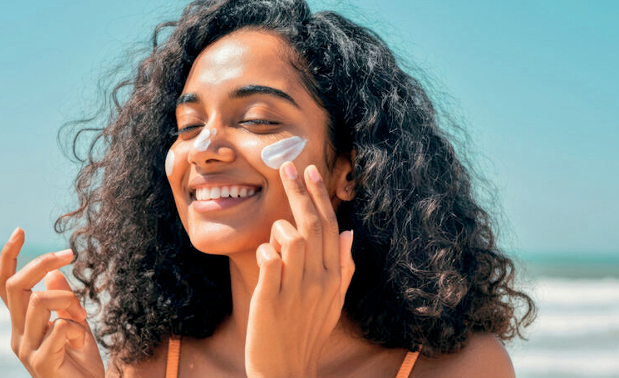
And being in an extremely humid place, sunscreen becomes the most essential part of skin care. “Sunscreen isn’t just about preventing tanning. Consistent UV protection is important for preventing and managing pigmentation, premature photoageing and uneven skin tone,” said Dr Riszen. Choosing a maximalist skincare routine, such as the Korean one, and sticking to it stringently is not a requirement for healthy skin. Instead, a minimal and concern-targeted skincare routine can be much more helpful. Skin needs to be hydrated and allowed to breathe in order to remain protected and healthy.