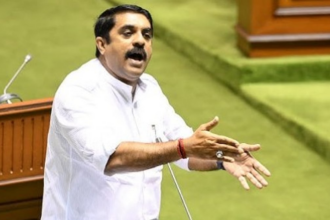
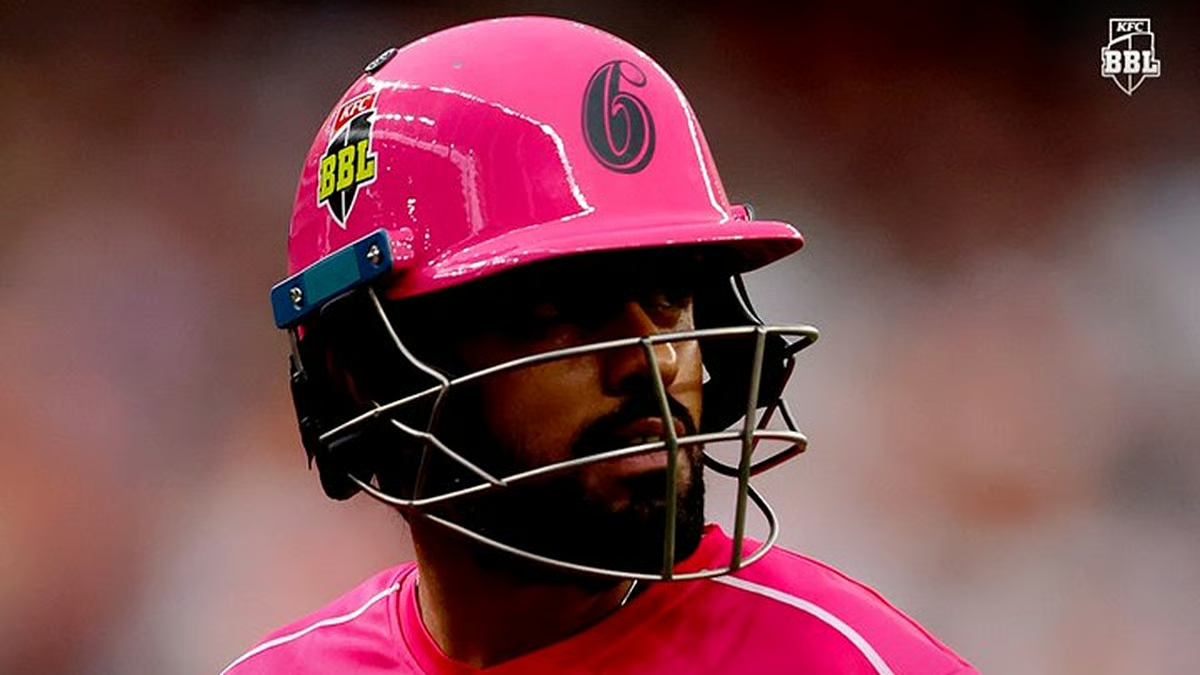
“The law speaks about compulsory wearing of helmets for rider and pillion, but in Goa the implementation is not being done. It will be done now but it will take an initial two-to-three months to create awareness on this,” Parrikar said.
Earlier, Dhavalikar had sought support from all the 40 MLAs to implement the law, after the legislators during the demands for grants pointed out various fatal and grievous accidents. “If all MLAs come together, I am ready to implement wearing of helmets for both (rider and pillion) all over Goa. I will send the file to the CM tomorrow (Friday),” he had said. Parrikar had then intervened asking not to ‘wait for MLAs’ and instead implement the law after creating awareness about wearing helmets. “By law, it is compulsory…” Parrikar reiterated.
Leader of opposition Pratapsing Rane was the first legislator to insist for helmets for both – riders and pillions – while raising concern over the rising accidents, deaths due to accidents and violation of traffic rules. “In Jaipur, riders and pillion riders wear helmets. Even the foreigners wear helmets. But what happens to Goans. I have seen a lot of youth not wearing helmets… Some people are either killed on the roads or kill other innocent people,” he said. “Make a mandatory requirement that both on the two wheelers wear helmets,” he suggested.
In June 2012, the government had taken the same decision but subsequently amended the helmet rule after severe opposition from many including a few legislators. Goa currently enforces helmet for two-wheelers only on highways. Within city, the wearing of helmet is not compulsory. In another decision, the government will notify the Goa Fuel Subsidy Scheme for private bus operators, within three to four weeks. Dhavalikar said the scheme will benefit operators as fuel will be given at Rs 3 per kilometer. Govt will also grant 50 percent insurance cover within specific amount limit.