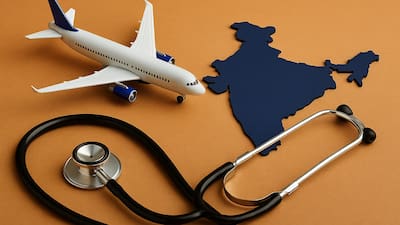
India’s medical tourism industry is emerging as a major driver of employment, creating rising demand for skilled healthcare professionals across hospitals, diagnostics, rehabilitation and patient care services. With affordable treatment, advanced medical facilities and internationally accredited hospitals, the country continues to attract patients from Africa, the Middle East, South Asia and several developed nations.According to government estimates, India’s medical tourism market is projected to grow from $8.7 billion in 2025 to $16.2 billion by 2030, supported by expanding healthcare infrastructure, digital health services and growing investment in hospitals and diagnostics. Alongside specialised treatments such as cardiac surgery, oncology, organ transplants and fertility care, newer segments including wellness, preventive healthcare and rehabilitation are also contributing to the sector’s growth.The expansion, however, is increasing the need for a well-trained workforce. Beyond doctors, hospitals require skilled nurses, allied healthcare professionals, diagnostic staff, rehabilitation specialists, patient coordinators and hospital operations teams capable of delivering high-quality clinical care and a positive patient experience.The challenge is compounded by a global shortage of healthcare workers. The World Health Organization estimates that the world could face a shortage of nearly 11 million healthcare professionals by 2030, particularly in nursing and allied health services. In India, employability also remains a concern, with the India Graduate Skill Index 2025 reporting that only 42.6% of graduates are considered job-ready.Healthcare providers are increasingly looking for professionals with practical workplace experience, communication skills, teamwork and the ability to adapt to real-world clinical environments. This has encouraged the adoption of work-integrated learning models that combine classroom education with hands-on industry exposure.As India’s medical tourism sector continues to expand, experts believe the country’s long-term success will depend not only on modern hospitals and advanced treatment but also on building a skilled healthcare workforce capable of delivering internationally competitive patient care and service standards.
India’s Medical Tourism Boom Fuels Demand for Skilled Healthcare Workforce