DIANA FERNANDES
PANJIM: The Transport Department’s implementation of compulsory wearing of helmets on Goa’s village and city roads may have got off to a turbulent start, but the insistence of the ISI certification mark has seen a flood of two-wheeler riders at retailers’ stores to buy these helmets.
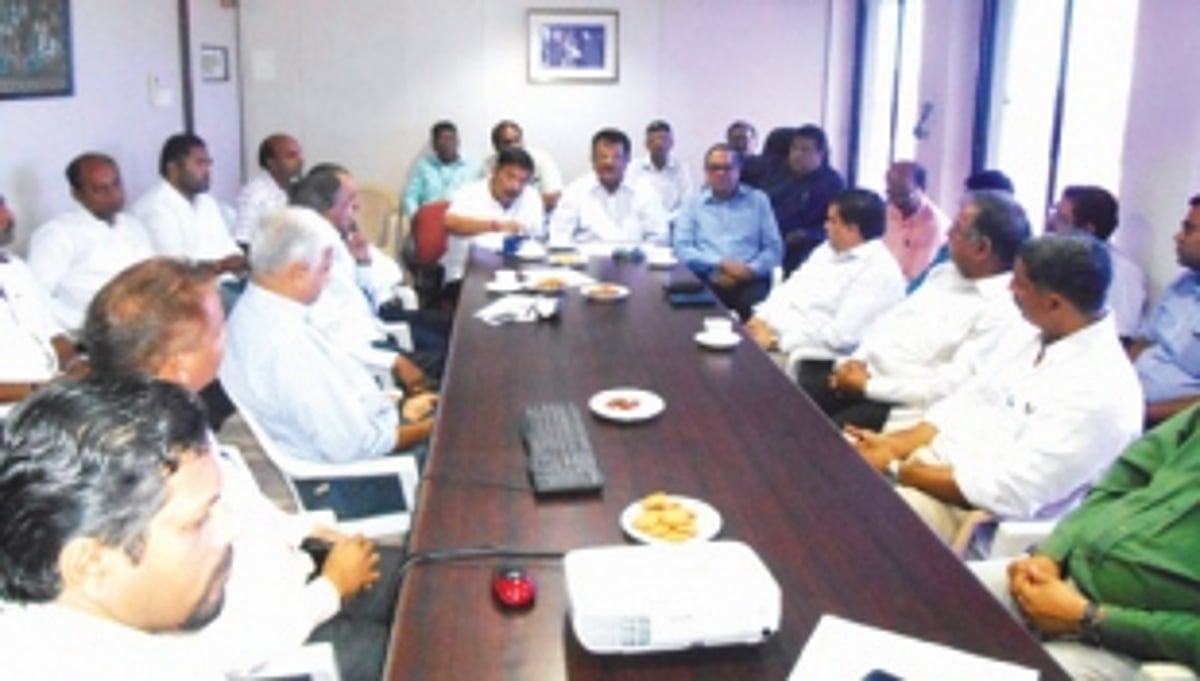
However, while the Transport Department may have pushed on the need to use ISI certified helmets on Goa’s roads, several other products that require BIS certification have gone unnoticed. But people, and with no means to check the certification, are asking if BIS certified products safer. The last day of March saw a two-fold increase in the sale of ISI certified helmets. Mandatory wearing of the helmet was enforced the next day. Earlier this week, senior officials from the Bureau of Indian Standards (BIS), the ISI certification authority, were in the State to meet with the Goa State Committee on standardization and quality systems headed by acting chief secretary R K Srivastava.
Deputy Director General for West India, C K Maheshwari said, “The problem in India is that manufacturers don’t tell the consumers about the product and the care that needs to be put into it. In many cases, the consumer either doesn’t want to listen or isn’t bothered at all.”
But the need to have standards when it comes to a product a consumer uses is important, he says. “Standards aim to ensure safety of human life. A helmet is an example of personal protective equipment used by industrial workers, fire- fighters or scooter riders. Standards also aim to protect health as well as safeguard the environment and preserve nature from pollution,” says Maheshwari.
In the event of misuse of certification however, there is little that the consumers themselves can do. With no labs in the State, any samples for inspection need to be sent to its eight authorized centres in India.
Lorna Fernandes, a member of the Goa Civic and Consumer Action Network (GOACAN) has been working with consumers, organizing awareness programmes around the State. She says that while it may be difficult to pick up specific cases, it becomes necessary to report cases where consumers feel they have been cheated.
“It doesn’t matter if the consumer reports a complaint immediately or after a while. One thing they can do is do a check with the manufacturers online. They can also file a complaint with the police,” she says.
The BIS on its part too is involved in surprise checks. As part of a new scheme launched by the BIS, registered NGOs or those that have been working with the government, are encouraged to send two samples of products they suspect are misusing certifications and ISI standards.
Fernandes says she knows of two such cases, where officials from the BIS have conducted discreet investigations. “There was one case where a company misused its ISI mark with mixers they were manufacturing. When we got wind of the situation, the BIS asked us to send two samples to their lab. After testing, it was found to be flouting several of its certified procedures,” she says.
Another case was with irons and immersion heaters being sold at a shop in Margao. Police were called in to confiscate several products that like the company selling mixers were misusing the ISI mark. The case is going on.
In cases like these if found guilty companies are slapped with severe fines, while some manufacturers may even have to serve time in jail if convicted.
In the mean time, however, GOACAN and BIS insist that consumers should report fraudulent use of ISI marks on products and preserve and insist on a cash memo for the purchase. As for road side vendors selling ISI marked helmets, Maheshwari says they may or may not be genuine despite the marking advising consumers to buy them with caution.